

What to Know About Dental Veneers in Chilliwack
By Bhavesh Gabani • July 31, 2026

Ever wish you could fix chipped, stained, or uneven teeth? Dental veneers might be worth looking into. For many people, veneers are a way to enhance their smile while looking natural. But deciding if they’re right for you starts with understanding how they work, who they’re best for, and what to expect.
In this guide, we’ll cover everything you need to know about dental veneers in Chilliwack, from the different types to how long they last and how to care for them. Whether you’re just starting your research or preparing for a consultation, this article will help you make an informed decision.
Quick Answer: Which Is Better: Dental Implants or Dentures in Chilliwack?
For many patients, dental implants may be the more durable long-term solution, as they can mimic natural tooth function and help preserve the jawbone. However, dentures are an excellent option for many patients, depending on their clinical needs, health, and personal preferences.
The right treatment depends on:
- Your oral health and overall health
- Bone volume and sufficient jawbone density
- Number of missing teeth
- Your budget and treatment goals
- Your dentist’s recommendation after a consultation
At Smile Castle Dental and Implant Studio, our team will evaluate your smile and recommend the treatment that’s best for you.
QUICK ANSWER
What Do I Need to Know About Dental Veneers in Chilliwack?
If you’re considering dental veneers in Chilliwack, know that veneers are thin, custom-made shells bonded to the front of your teeth to improve their appearance. They can correct cosmetic issues like stubborn stains, chipped teeth, small gaps, worn enamel, and uneven tooth shapes. But veneers aren’t for everyone. Your oral health, the condition of your teeth, and your smile goals all play a role in determining if porcelain or composite veneers—or another cosmetic treatment—are the best option for you. A consultation with your dentist will help you understand your choices and make an informed decision.
- Preserve Bone: Unlike removable dentures, implants stimulate the jawbone during chewing. This helps reduce bone loss, maintain bone volume, and preserve your facial structure over time.
- Restore Natural Function: Dental implants allow patients to chew, bite, and speak with confidence. Because they are securely fixed into the bone, they function like natural teeth.
- Protect Adjacent Teeth: Unlike some dental bridges, implants do not require reshaping adjacent teeth, helping preserve healthy tooth structure.
- Long-Term Solution: With proper home care and regular professional maintenance, dental implants may function for decades. Longevity varies based on individual health, oral hygiene, and other factors.
- Natural Appearance: Each implant restoration is custom-designed to match the colour, size, and shape of your existing teeth, creating a seamless and natural look.
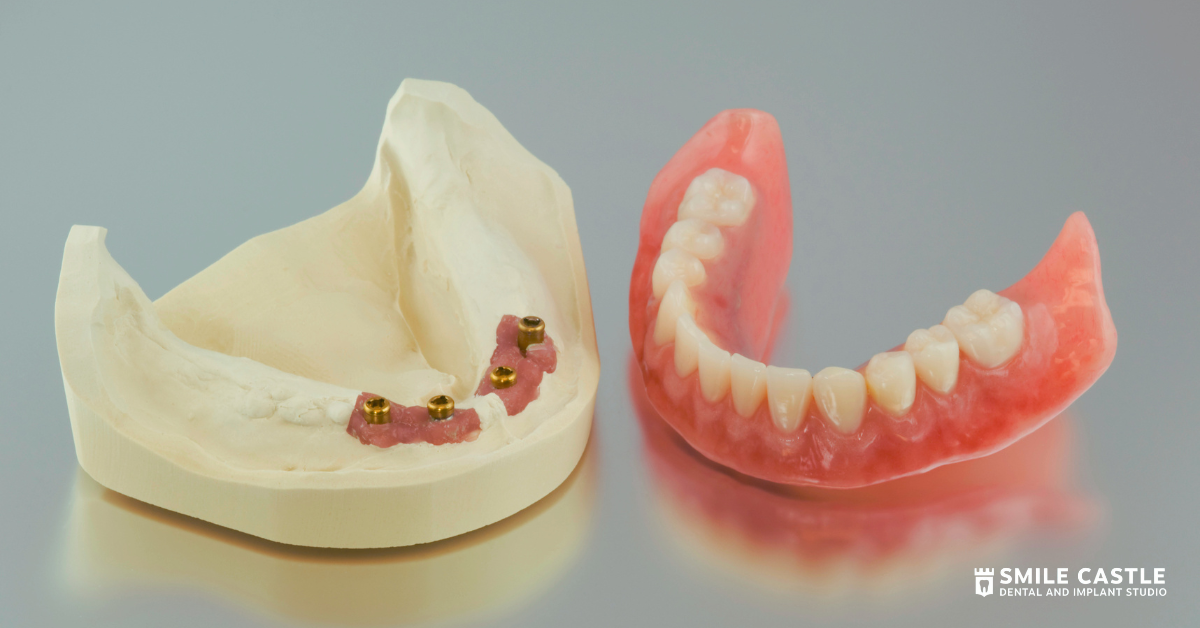
If multiple teeth are missing, several implants may be used to support implant-supported bridges or other restorations. This allows your dentist to restore function while maintaining your bite, facial appearance, and oral health.
Full-Arch Tooth Replacement
What Are Dental Veneers?
Dental veneers are ultra-thin restorations that cover the visible front surface of teeth. Their purpose is cosmetic—they’re designed to improve the size, shape, color, and overall appearance of a smile while blending in with the surrounding teeth in the mouth.
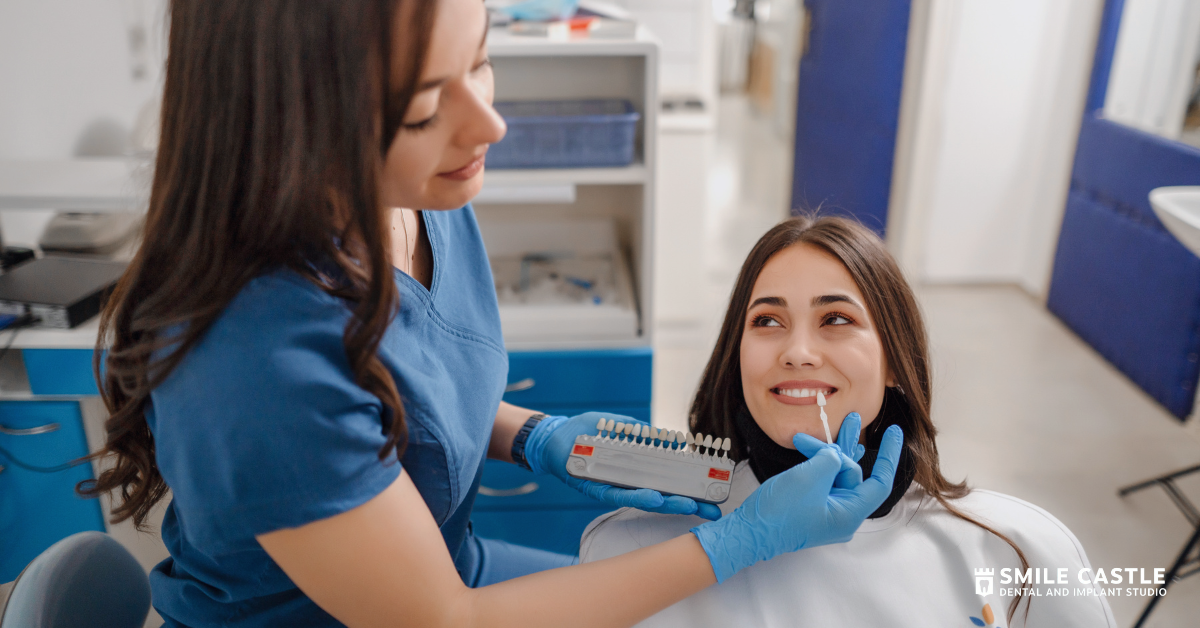
Veneers are made from either porcelain or composite resin. Porcelain veneers are known for their durability and ability to mimic the natural translucency of tooth enamel. Composite veneers are sculpted from tooth-colored resin and can be completed in fewer appointments, so they are another option for suitable candidates.
People often consider veneers to improve the appearance of:
- Teeth that are resistant to whitening treatments
- Chipped or cracked teeth
- Minor gaps between teeth
- Slightly uneven or irregularly shaped teeth
- Teeth with worn enamel
- Small cosmetic imperfections that affect smile symmetry
It is important to note that veneers are for appearance only and are not intended to treat underlying oral health issues. Compared to crowns, veneers require less removal of natural tooth structure and can help restore a more balanced look. Before cosmetic treatment begins, any issues like tooth decay or gum disease should be addressed.
- Preserve Bone: Unlike removable dentures, implants stimulate the jawbone during chewing. This helps reduce bone loss, maintain bone volume, and preserve your facial structure over time.
- Restore Natural Function: Dental implants allow patients to chew, bite, and speak with confidence. Because they are securely fixed into the bone, they function like natural teeth.
- Protect Adjacent Teeth: Unlike some dental bridges, implants do not require reshaping adjacent teeth, helping preserve healthy tooth structure.
- Long-Term Solution: With proper home care and regular professional maintenance, dental implants may function for decades. Longevity varies based on individual health, oral hygiene, and other factors.
- Natural Appearance: Each implant restoration is custom-designed to match the colour, size, and shape of your existing teeth, creating a seamless and natural look.
If multiple teeth are missing, several implants may be used to support implant-supported bridges or other restorations. This allows your dentist to restore function while maintaining your bite, facial appearance, and oral health.
Full-Arch Tooth Replacement
Brush Gently
Soft foods reduce pressure on the implant while providing the nutrients your body needs during recovery. Examples include:
- Yogurt
- Mashed potatoes
- Scrambled eggs
- Cottage cheese
- Oatmeal
- Smooth soups
- Applesauce
- Soft pasta
As you heal, your dentist will let you know when you can start eating firmer foods.
Drinking plenty of water supports your overall health and helps keep your mouth comfortable during recovery.
Who Is a Good Candidate for Dental Veneers?
While veneers can make a dramatic difference, they’re not for everyone. A full dental exam helps determine if veneers are right for you based on your oral health and treatment goals.
You may be a good candidate if:
- You have healthy teeth and gums.
- You practice good daily oral hygiene.
- You have enough healthy enamel to support veneers.
- You want to improve cosmetic concerns rather than major functional problems.
- You have realistic expectations about the results.
On the other hand, veneers may not be recommended if you have untreated gum disease, significant tooth decay, severe teeth grinding without protection, or bite issues that require orthodontic treatment.
In some cases, your dentist may recommend alternatives like orthodontics, dental bonding, professional teeth whitening, or crowns, depending on your specific needs. Every smile is unique, so a personalized assessment is part of the treatment planning process.
- Preserve Bone: Unlike removable dentures, implants stimulate the jawbone during chewing. This helps reduce bone loss, maintain bone volume, and preserve your facial structure over time.
- Restore Natural Function: Dental implants allow patients to chew, bite, and speak with confidence. Because they are securely fixed into the bone, they function like natural teeth.
- Protect Adjacent Teeth: Unlike some dental bridges, implants do not require reshaping adjacent teeth, helping preserve healthy tooth structure.
- Long-Term Solution: With proper home care and regular professional maintenance, dental implants may function for decades. Longevity varies based on individual health, oral hygiene, and other factors.
- Natural Appearance: Each implant restoration is custom-designed to match the colour, size, and shape of your existing teeth, creating a seamless and natural look.
If multiple teeth are missing, several implants may be used to support implant-supported bridges or other restorations. This allows your dentist to restore function while maintaining your bite, facial appearance, and oral health.
Full-Arch Tooth Replacement
Types of Dental Veneers
The two most common types of veneers are porcelain veneers and composite veneers. Both can improve the appearance of teeth, but they differ in materials, durability, cost, and treatment approach.
| Feature | Porcelain Veneers | Composite Veneers |
|---|---|---|
| Appearance | Highly natural with excellent translucency | Natural-looking but slightly less lifelike |
| Durability | Generally more durable | Typically less durable |
| Treatment Time | Usually requires multiple visits | Often completed in one visit using layers of composite material hardened with a special light |
| Stain Resistance | Highly resistant to staining | More susceptible to staining over time |
| Repairability | Usually replaced if damaged | Often easier to repair, but may be damaged more easily |
| Typical Lifespan | Often 10–15 years or longer with proper care | Often needs replacement after five to eight years with proper maintenance |
According to Healthline, porcelain veneers typically cost $925–$2,500 per tooth, while composite veneers are generally less expensive, starting at around $400 per tooth.
Neither is better. The right choice depends on your cosmetic goals, budget, oral health, and the condition of the teeth being treated. Your dentist will discuss the pros and cons of each during your consultation.
- Preserve Bone: Unlike removable dentures, implants stimulate the jawbone during chewing. This helps reduce bone loss, maintain bone volume, and preserve your facial structure over time.
- Restore Natural Function: Dental implants allow patients to chew, bite, and speak with confidence. Because they are securely fixed into the bone, they function like natural teeth.
- Protect Adjacent Teeth: Unlike some dental bridges, implants do not require reshaping adjacent teeth, helping preserve healthy tooth structure.
- Long-Term Solution: With proper home care and regular professional maintenance, dental implants may function for decades. Longevity varies based on individual health, oral hygiene, and other factors.
- Natural Appearance: Each implant restoration is custom-designed to match the colour, size, and shape of your existing teeth, creating a seamless and natural look.
If multiple teeth are missing, several implants may be used to support implant-supported bridges or other restorations. This allows your dentist to restore function while maintaining your bite, facial appearance, and oral health.
Full-Arch Tooth Replacement
Benefits and Limitations of Dental Veneers
Like any dental treatment, veneers have benefits and considerations. Understanding both helps you make an informed decision.
Benefits
Many patients choose veneers because they can:
- Create a brighter, more uniform smile.
- Improve the appearance of multiple cosmetic concerns at once.
- Closely resemble natural tooth enamel.
- Resist staining, particularly porcelain veneers.
- Deliver long-lasting cosmetic improvements when properly maintained.
For individuals who have felt self-conscious about their smile, veneers may also improve confidence during everyday interactions.
Limitations
Although veneers provide excellent cosmetic results, they also have limitations.
For example:
- They do not treat tooth decay or gum disease.
- Porcelain veneers generally require the removal of a small amount of enamel, making the procedure irreversible.
- Veneers can chip or fracture if exposed to excessive force, such as chewing ice or using teeth to open packaging.
- They will eventually need replacement after years of normal use.
- They are not appropriate for every cosmetic concern.
Discussing both the benefits and limitations with your dentist ensures your expectations are in line with what veneers can achieve.
- Preserve Bone: Unlike removable dentures, implants stimulate the jawbone during chewing. This helps reduce bone loss, maintain bone volume, and preserve your facial structure over time.
- Restore Natural Function: Dental implants allow patients to chew, bite, and speak with confidence. Because they are securely fixed into the bone, they function like natural teeth.
- Protect Adjacent Teeth: Unlike some dental bridges, implants do not require reshaping adjacent teeth, helping preserve healthy tooth structure.
- Long-Term Solution: With proper home care and regular professional maintenance, dental implants may function for decades. Longevity varies based on individual health, oral hygiene, and other factors.
- Natural Appearance: Each implant restoration is custom-designed to match the colour, size, and shape of your existing teeth, creating a seamless and natural look.
If multiple teeth are missing, several implants may be used to support implant-supported bridges or other restorations. This allows your dentist to restore function while maintaining your bite, facial appearance, and oral health.
Full-Arch Tooth Replacement
| Timeline | What to Do |
|---|---|
| Day of surgery | Rest, manage bleeding, and use ice packs. |
| First 24 hours | Protect the surgical site and follow aftercare instructions. |
| Days 2-7 | Continue gentle oral hygiene and eat soft foods. |
| Week 2 | Swelling and discomfort continue to improve. |
| Week 3-8 | Ongoing bone healing and routine follow up visits. |
| Long-term | Maintain excellent oral hygiene and regular dental checkups. |
How Long Do Dental Veneers Last?
The lifespan of veneers depends on several factors, including the material used, oral hygiene habits, and everyday wear.
According to Verywell Health, porcelain veneers commonly last 10 to 15 years or longer, while composite veneers often last 5 to 7 years, although individual experiences vary.
To help maximize their lifespan:
- Brush and floss daily.
- Attend regular dental examinations and professional cleanings.
- Avoid biting hard objects such as ice or pens.
- Wear a night guard if recommended for teeth grinding.
- Address any dental concerns promptly before they affect the veneers.
Proper care plays a big role in maintaining both the appearance and longevity of veneers.
- Preserve Bone: Unlike removable dentures, implants stimulate the jawbone during chewing. This helps reduce bone loss, maintain bone volume, and preserve your facial structure over time.
- Restore Natural Function: Dental implants allow patients to chew, bite, and speak with confidence. Because they are securely fixed into the bone, they function like natural teeth.
- Protect Adjacent Teeth: Unlike some dental bridges, implants do not require reshaping adjacent teeth, helping preserve healthy tooth structure.
- Long-Term Solution: With proper home care and regular professional maintenance, dental implants may function for decades. Longevity varies based on individual health, oral hygiene, and other factors.
- Natural Appearance: Each implant restoration is custom-designed to match the colour, size, and shape of your existing teeth, creating a seamless and natural look.
If multiple teeth are missing, several implants may be used to support implant-supported bridges or other restorations. This allows your dentist to restore function while maintaining your bite, facial appearance, and oral health.
Full-Arch Tooth Replacement
Caring for Your Dental Veneers
Taking care of veneers is similar to taking care of your natural teeth. Good habits include:
- Brushing twice a day with a soft-bristled toothbrush.
- Flossing daily.
- Visiting your dentist for regular checkups and cleanings.
- Avoiding chewing on hard objects.
- Wearing protective appliances if recommended for sports or nighttime grinding.
While porcelain veneers resist staining better than natural enamel, good oral hygiene and limiting tobacco use can help preserve your smile. For more information on oral health and caring for your teeth, the Canadian Dental Association (CDA) has patient education resources.
- Preserve Bone: Unlike removable dentures, implants stimulate the jawbone during chewing. This helps reduce bone loss, maintain bone volume, and preserve your facial structure over time.
- Restore Natural Function: Dental implants allow patients to chew, bite, and speak with confidence. Because they are securely fixed into the bone, they function like natural teeth.
- Protect Adjacent Teeth: Unlike some dental bridges, implants do not require reshaping adjacent teeth, helping preserve healthy tooth structure.
- Long-Term Solution: With proper home care and regular professional maintenance, dental implants may function for decades. Longevity varies based on individual health, oral hygiene, and other factors.
- Natural Appearance: Each implant restoration is custom-designed to match the colour, size, and shape of your existing teeth, creating a seamless and natural look.
If multiple teeth are missing, several implants may be used to support implant-supported bridges or other restorations. This allows your dentist to restore function while maintaining your bite, facial appearance, and oral health.
Full-Arch Tooth Replacement
Are Dental Veneers Right for You?
Choosing veneers is a personal decision based on your cosmetic goals, oral health, and long-term expectations.
If you want to improve discoloration, chipped teeth, or minor cosmetic flaws, veneers may be one of several options to discuss with your Chilliwack dentist as part of cosmetic dentistry planning. But they’re not the solution for every situation, and other treatments may be better for you.
A consultation allows your dentist to examine your smile, explain your options, and recommend a treatment plan tailored to your individual situation.
Frequently Asked Questions
What problems can dental veneers fix?
Veneers can improve the appearance of stained, chipped, worn, uneven, or slightly gapped teeth. They’re designed to address cosmetic concerns, not significant bite problems or underlying dental disease.
How long do dental veneers usually last?
Porcelain veneers last 10 to 15 years or more with proper care, while composite veneers last around 5 to 7 years. Individual longevity depends on oral hygiene, regular dental visits, and everyday habits.
Do dental veneers look like natural teeth?
Yes. Modern veneers are custom-made to match the color, shade, shape, and proportions of your surrounding teeth for the desired look. When planned and placed correctly, they can blend in with your natural smile for a completely natural result.
Are dental veneers permanent?
Because porcelain veneers require the removal of a small amount of enamel, they’re generally considered an irreversible treatment. Your dentist will discuss whether veneers or another cosmetic option is best for you.
How do I know if dental veneers are the right choice for me?
The best way to determine if veneers are right for you is through a full dental exam. Your dentist will evaluate your oral health, cosmetic goals, enamel condition, and available treatment options before making a recommendation. If veneers are recommended, an impression may be taken, and your permanent veneers will be ready in 2–4 weeks. Temporary veneers may be used in the meantime.
Making an Informed Decision with a Chilliwack Dentist
Veneers can be a great way to improve your smile while looking natural. Knowing how veneers work, who they’re for, and how to care for them will help you make an informed decision.
If you’re considering veneers in Chilliwack, talking to a qualified dentist is the best way to determine if veneers or another cosmetic treatment is right for your smile. At Smile Castle Dental and Implant Studio, we help patients understand their options and make decisions that support their oral health and long-term goals.
Ready to schedule your appointment?
Reach out to your trusted dentist in Chilliwack today. Now accepting new patients!
SHARE THIS
Latest Posts