


Missing Teeth Treatment in Chilliwack
Missing a tooth can make eating, speaking, and just about anything else feel a lot harder. Missing teeth treatment in our Chilliwack dental clinic can not only help replace gaps in your smile but also make a significant difference to your comfort, confidence, and ability to get through your day-to-day life.
At Smile Castle Dental and Implant Studio, we do our utmost to guide our patients through the process of replacing missing teeth. Whether you've lost just one tooth or a whole set, we're here to help you understand your options and come up with a treatment plan that's right for you.
Our General Services
From routine checkups to specialized treatments, we provide complete dental care for your entire family.
Family Dentistry
Comprehensive care for patients of all ages, from children to seniors.
- First visit education
- Gentle approach for kids
- Senior-focused care
Dental Hygiene
Professional cleanings and preventive treatments to maintain oral health.
- Deep cleanings
- Gum disease prevention
- Oral health education
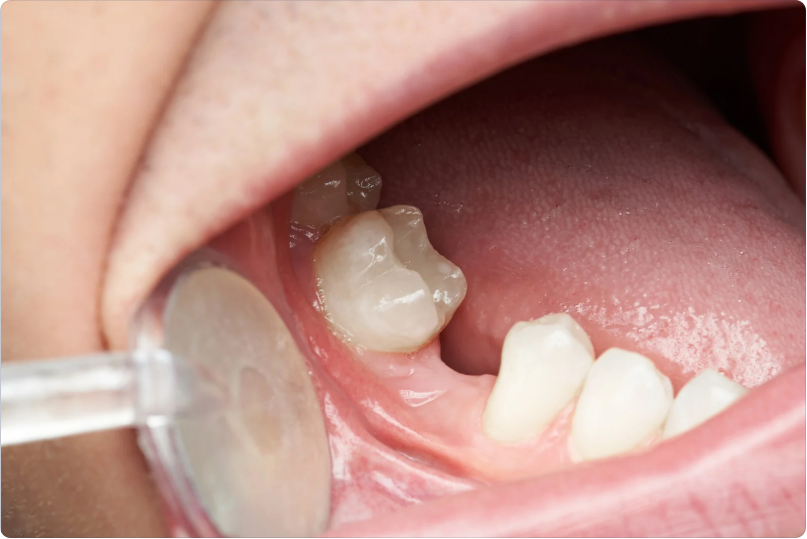
What Is Missing a Tooth?
When a tooth is missing, that means one or more of your natural teeth are no longer in your mouth. A tooth might be missing because it never grew in, was removed, fell out because of an accident, or was lost to decay or gum disease.
Losing a tooth can affect more than just how your smile looks, iit can make eating difficult, alter how your teeth fit together when you bite, and put a lot of extra pressure on the other teeth in your mouth.
When a tooth goes missing, the teeth around it can start to slowly drift towards the empty space. This can create new gaps, make it harder to clean your teeth, and make your upper or lower jaw close in an unexpected way.
Missing teeth can also have long-term effects on your oral health. The bone in your jaw where the missing tooth once sat can start to get weaker because it's not getting the pressure it needs from chewing food.
Many patients opt for treatment so they can get their comfort, function, and confidence back. Missing teeth treatment in Chilliwack might involve dental implants, a bridge, dentures, or another solution that's right for you.
What Causes Teeth to Go Missing?
There are many reasons why a tooth can go missing, and some of them are sudden, while others can develop over time.
Tooth decay is a common cause. If the decay gets severe enough that the tooth can't be saved, the dentist might have to remove it to keep you healthy.
Gum disease, also known as periodontal disease, can damage the gums and bone that hold your teeth in place. If left untreated, your teeth can get loose and eventually fall out or need to be removed.
Getting hit in the mouth or having some sort of accident can also knock a tooth out. In some cases, if you get to the dentist quickly enough, a tooth can be saved.
Some people are born without one or more teeth. Others might have teeth removed because of overcrowding, infection, cracks, or some other complications related to wisdom teeth.
Important causes of missing teeth might include:
- Tooth decay that's left untreated
- Gum disease and gums that bleed
- Accidents to the mouth, jaw, or face
- Teeth that are badly cracked or infected
- Years of poor oral hygiene
- Smoking or other habits that can affect gum health
- A family history of dental problems
- Teeth that never grew in the first place
Common Signs and Symptoms
You'll probably be able to spot the most obvious sign, an empty space where a tooth used to be. But missing teeth can also cause some changes that you might not notice right away.
You might find that food gets stuck around the gap, making brushing and flossing difficult. Or, over time, you might start chewing more on one side of your mouth, putting uneven pressure on the rest of your teeth and jaw.
A tooth missing near the front of your smile can make speech harder or make certain sounds difficult to say. A tooth missing in the back can be more likely to affect chewing and your bite.
Common signs and symptoms can include:
- A visible gap between teeth
- Trouble biting, chewing, or eating certain foods
- Food getting stuck around the surrounding teeth
- Changes in speech
- A changing bite
- Loose or moving teeth near the empty space
- Changes in the shape of your face over time
- Feeling self-conscious about your smile
Symptoms might start out mild, especially if you've only lost one tooth. But problems can get worse over time if your teeth start shifting, the bone in your jaw changes, or your gums start getting irritated.
What Are Dental Implants?
Dental implants are the gold standard for replacing missing teeth. Unlike dentures or bridges, implants replace both the root and crown of your tooth, providing a permanent solution that looks, feels, and functions like natural teeth.
At Smile Castle Dental And Implant Studio, our highly experienced team uses advanced 3D imaging and computer-guided surgery to ensure precise placement and optimal outcomes. We're proud to be the leading provider of dental implants in Chilliwack.
Whether you're missing one tooth or need full-arch restoration, we customize every treatment plan to your unique anatomy and aesthetic goals.
Precision
3D-guided placement
Natural Look
Indistinguishable from real teeth
Long-Lasting
Designed to last a lifetime
Comfort
No adhesives or removal
When to See a Dentist
You should see a dentist if you've lost a tooth, noticed a loose tooth, or have an empty space that's making eating or speaking difficult. Even if the gap doesn't hurt, it's still worth getting looked at.
If a tooth has been knocked out, get to a dentist as soon as possible. In some cases, fast treatment can help save the natural tooth.
You should also book a consultation if you've got pain, swelling, bleeding gums, signs of infection, or a tooth that feels loose. These are all symptoms that might need treatment.
Waiting too long can allow the other teeth in your mouth to start to shift and can also increase the chance that the bone in your jaw will start to get weaker, which can make replacement treatment more complicated later.
Getting to a dentist early can help protect your teeth and give you more options for treatment. Most patients have more choices when their gums, bone, and nearby teeth are in good shape.
Important reasons to get to a dentist include:
- A tooth has fallen out or has been removed
- You've got ongoing pain, swelling, or pus around a tooth
- Bleeding gums that occur often or appear swollen
- You've noticed something unusual with your bite lately
- Eating has been difficult because a tooth seems to be loose
- You've had some kind of injury to your mouth or jaw area
- You're thinking about dental implants in Chilliwack and are considering other replacement options too
How We Diagnose and Assess It
Your first meeting with us usually starts with a conversation about your dental history, any health issues, the symptoms you're experiencing, and what you're hoping for. We'll want to know when that tooth actually went missing and whether you've been dealing with pain, infection, an injury, or eating problems.
Our dentist will do a more in-depth look at your teeth, gums, bite, and the areas surrounding the missing space. We take a close look at the health of the remaining teeth, the ones right next to the missing one, and the ones nearby to work out what kind of support we have available.
We might need to take some X-rays to look beneath the gum line. X-rays are helpful in assessing the bone, jawbone, tooth roots, and all the areas we can't see when we're just having a regular checkup.
If you're considering getting implants, the dentist will assess whether there's enough bone in there to support the implant. We also take a close look at the upper jaw or lower jaw, your bite, and your overall oral health.
This first appointment usually takes anywhere from 30 to 60 minutes, depending on what you need and whether X-rays are necessary. You'll have a chance to ask any questions you have about the process, the cost, how long it takes to recover, whether it hurts, or what results you can expect.
During that assessment, we might also want to go over:
- How many teeth you've lost and where they're missing from
- How healthy your gums and remaining teeth are
- How the jawbone is looking
- Signs of decay, infection, or gum disease, in case we need to take a closer look
- How your bite and chewing function have been affected
- Whether a bridge, dentures, crowns, or implants might be the way to go
- What you're hoping to get out of your treatment, how long it will take, and what it's all going to cost
Treatment Options for Missing Teeth
Missing teeth treatment in Chilliwack is not one-size-fits-all. The right option depends on how many teeth are missing, their location, the health of your gums and bone, and what feels right for your life.
Treatment options may include:
- Dental bridge: A bridge can replace one missing tooth or several teeth. It uses nearby teeth for support and holds artificial teeth in the open space. It may be recommended when the adjacent teeth already need crowns or added support.
- Dentures: Dentures are removable replacement teeth. They can replace a few missing teeth or a complete set of teeth in the upper or lower jaw. Modern dentures are designed to look natural and help improve chewing and speech.
- Dental implants: Dental implants are a long-term option. An implant is a small post placed surgically into the jawbone to act like a tooth root. After healing, a crown, bridge, or denture may be attached to the implant.
- Dental implant process: The dental implant process begins with a consultation and detailed assessment. If you are a good candidate, the implant is placed in the jaw during a procedure. The area then needs time for healing.
- Healing and osseointegration: During healing, a process called osseointegration takes place. This means the bone grows around the implant, helping it become stable in the jaw. This process can take several months, depending on the patient and treatment area.
- Final replacement teeth: Once the implant has healed, the dentist can attach a crown for a single tooth, a bridge for several teeth, or a complete set of replacement teeth. The final restoration is designed to blend with your natural teeth and bite.
- Bone or gum treatment: Some patients may need gum treatment, a bone graft, or care for decay before moving forward with dental implants in Chilliwack or another replacement option.
- At-home care: Proper care, regular brushing, flossing, and dental visits can help protect your natural teeth, replacement teeth, gums, and mouth after treatment.
Why Choose Smile Castle Dental and Implant Studio for Missing Teeth Treatment in Chilliwack?
Smile Castle Dental and Implant Studio offers personalized missing teeth treatment in Chilliwack for patients who want clear answers and practical care. We take time to understand what is affecting your smile, health, function, and confidence.
Our team explains each option in simple language. We want you to understand why a treatment is recommended, what the process involves, how long healing may take, and how to care for your smile after treatment.
We use modern imaging and planning tools to assess your mouth, bone, bite, and jaw. This helps us create a treatment plan based on your individual needs rather than using the same approach for every patient.
Patient comfort matters throughout the visit. If you feel nervous about dental surgery or another procedure, let us know. We can discuss comfort options and sedation options when appropriate.
We welcome new patients from Downtown Chilliwack and surrounding areas. Whether you need help after a recent tooth loss or have lived with missing teeth for many years, we are here to help you explore your options.
How to Prevent Missing Teeth
Not every cause of missing teeth can be prevented, especially after an accident or injury. However, good daily care can lower the risk of tooth loss caused by decay and gum disease.
Brush your teeth twice a day with fluoride toothpaste. Use a soft toothbrush and clean along the gum line, where plaque can build up.
Floss once a day or use another tool recommended by your dentist to clean between the teeth. This helps remove food particles and plaque from areas your toothbrush cannot reach.
Regular dental checkups and cleanings allow your dentist to spot early signs of decay, gum disease, cracks, or bite problems. Treating these concerns early may help protect your natural teeth for many years.
A mouthguard may help protect your teeth during sports or activities that carry a risk of impact to the face. If you grind your teeth at night, ask your dentist whether a nightguard may help.
Helpful prevention steps include:
- Brush twice daily and floss every day
- Schedule regular dental checkups
- Treat cavities and gum concerns early
- Wear a mouthguard during contact sports
- Avoid using teeth to open packages
- Limit sugary drinks and snacks
- Avoid smoking, which can affect gums and healing
- Contact a dentist quickly after a mouth injury
Frequently Asked Questions
Can dental implants replace a single tooth?
Yes. A single dental implant can replace one missing tooth. After the implant heals, a custom crown is attached to create a natural-looking replacement tooth that functions much like natural teeth.
Am I a good candidate for dental implants?
A good candidate usually has healthy gums, enough jawbone, and good overall health. Most patients can be assessed during a consultation. If bone loss has occurred, additional treatment may sometimes help prepare the area for implants.
Does the dental implant process hurt?
Patients are given numbing medication for the procedure, and comfort options may be available when needed. Some soreness is normal during healing, but many patients manage it with instructions and medication recommended by the dentist.
How long do dental implants last?
With proper care, implants can last many years and may last a lifetime for some patients. Brushing, flossing, regular checkups, and protecting your gums are important for long-term health and function.
Are dentures or a bridge better than implants?
The right option depends on your mouth, bone, budget, number of missing teeth, and treatment goals. Dentures, a bridge, and implants can all be useful solutions. During your consultation, we will help you determine which option may work for you.
Ready for Your Castle-Quality Smile?
Experience dental care that exceeds expectations. Book your consultation with Chilliwack's premier dental studio today.