


Dental Crowns in Chilliwack, BC
A damaged or weakened tooth can make everyday things like eating or smiling uncomfortable. If you have a broken tooth, a worn down tooth, or a decayed tooth, it can affect both your oral health and your confidence. At Smile Castle Dental And Implant Studio, we offer reliable and long-lasting Dental Crowns in Chilliwack to help restore teeth that are damaged or weakened. A custom dental crown can protect the entire tooth, improve its strength, and bring back its natural look so you can smile and chew comfortably again.
Our General Services
From routine checkups to specialized treatments, we provide complete dental care for your entire family.
Family Dentistry
Comprehensive care for patients of all ages, from children to seniors.
- First visit education
- Gentle approach for kids
- Senior-focused care
Dental Hygiene
Professional cleanings and preventive treatments to maintain oral health.
- Deep cleanings
- Gum disease prevention
- Oral health education
What Is/Are Dental Crowns?
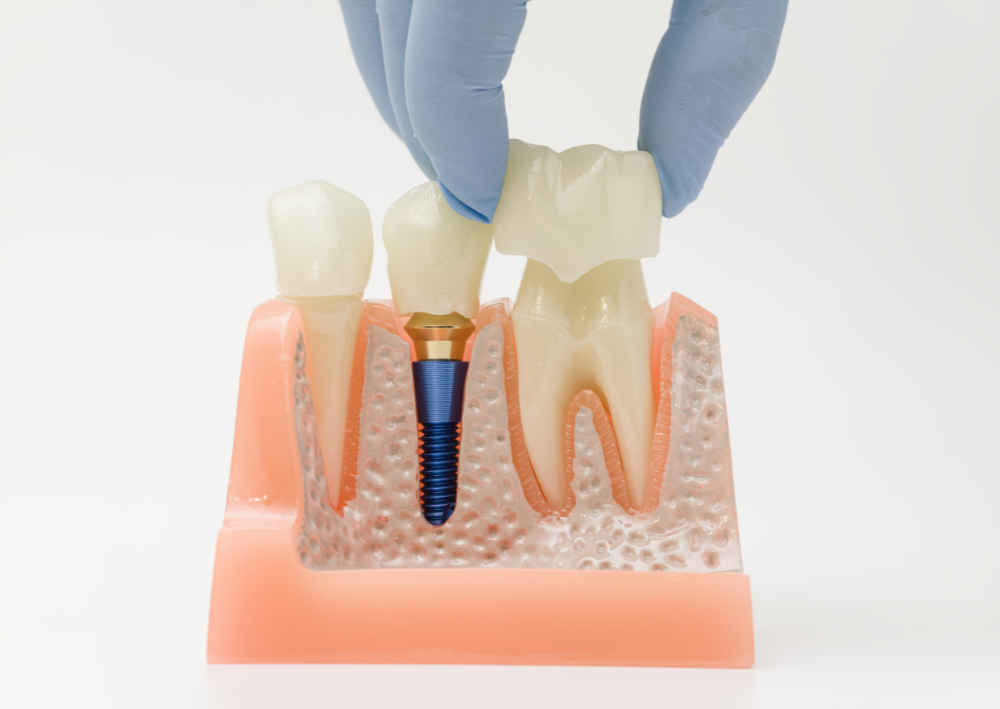
Dental crowns are protective caps placed over a damaged or weakened tooth to restore its shape, size, and strength. This restoration covers the entire tooth above the gum line and acts like a protective shield. Many dentists recommend a crown when a tooth has severe tooth decay, large fillings, or a broken tooth that cannot be repaired with filling material alone.
A dental crown is sometimes called a dental cap because it sits on top of the prepared tooth and protects the remaining tooth structure. Crowns are commonly used in restorative procedures to repair teeth affected by a root canal, damage, or heavy biting and chewing forces. They are an effective treatment for restoring teeth and helping maintain good oral health.
Crowns can also be part of other dental restorations. For example, a crown may support a dental bridge that replaces missing teeth or be attached to a dental implant to replace a lost tooth. In these cases, the crown acts as the visible tooth replacement that looks and functions like a natural tooth.
There are different types of crowns, including porcelain crowns, ceramic crowns, zirconia crowns, and metal crowns. Each crown type has its own advantages depending on where the crown is placed in the mouth and the patient’s needs.
Crowns can be used on both front and back teeth, though the material may vary. Some people choose crowns for cosmetic purposes, while others need them to protect a weak tooth, a worn down tooth, or a tooth that has been damaged by decay or injury.
Benefits of Dental Crowns
Dental crowns are one of the most common dental restorations used today. They help protect and restore teeth that might otherwise require removal. When placed correctly, a crown can improve both function and appearance.
Protects and strengthens weak teeth
A crown covers the entire tooth and helps protect it from further damage. This protection is especially helpful for a weak tooth or a tooth with large fillings that may break under chewing forces.
Restores natural appearance
Crowns can be designed to match the shape and colour of your natural enamel. Materials like porcelain crowns and ceramic crowns make the restoration look natural and blend in with surrounding teeth.
Improves chewing and biting
When a tooth is damaged, chewing forces can cause pain or further damage. A crown restores the tooth’s strength so you can chew comfortably again.
Long-lasting restoration
With proper care and regular dental visits, crowns can last many years. They help restore teeth affected by tooth decay, worn down teeth, or a broken tooth while maintaining good oral health.
Dental Crown Procedure
The dental crown procedure is a straightforward process that typically takes two visits to the dentist's office. The process allows our team to create a custom crown that fits comfortably and looks natural.
Step 1: Initial Examination
During your first office visit, Dr. Bhavesh Gabani will examine your tooth to determine if a dental crown is needed for your situation. We check for tooth decay, damage, or weakened tooth structure. X-rays may also be taken to assess the tooth and surrounding bone.
Step 2: Preparing the Tooth
Once the decision is made to place a crown, the tooth is reshaped to prepare it for the restoration. This step ensures the crown fits properly over the prepared tooth. A local anesthetic is used so the process remains comfortable.
Step 3: Taking Digital Impressions
After the tooth is prepared, we take digital impressions of the tooth and surrounding teeth. These impressions are sent to a dental laboratory or dental lab, where skilled dental technicians create your custom dental crown. The dental lab carefully designs the crown so the restoration fits your bite and looks natural.
Step 4: Temporary Crown Placement
While waiting for the final crown, a temporary crown is placed over the tooth. This temporary restoration protects the tooth and allows you to chew while the permanent crown is being made. The temporary crown is attached with temporary cement and usually stays in place for two to three weeks.
Step 5: Creating the Permanent Crown
In the dental lab, dental technicians craft the final crown using materials such as porcelain, zirconia crowns, porcelain fused to metal, or all ceramic restorations. The goal is to ensure the restoration fits, looks natural, and can handle everyday chewing forces.
Step 6: Second Appointment and Placement
At your second appointment, the temporary crown is removed and the final crown is placed. The dentist checks that the crown fits comfortably against your opposing teeth and along the gum line. Once everything looks correct, the crown is bonded securely in place.
Step 7: Final Adjustments
The dentist may make small adjustments to ensure your bite feels comfortable. Once complete, the permanent crown is ready to function like a natural tooth. The crown helps restore teeth affected by a damaged tooth, broken tooth, or severe decay.
Why Choose Smile Castle Dental And Implant Studio for Your Dental Crowns?
At Smile Castle Dental And Implant Studio, we focus on providing dental care that is comfortable, reliable, and tailored to each patient. Our team understands that dental restorations should look natural and function properly for everyday life. We work carefully to make sure each crown type is the right choice for your tooth and your oral health needs.
Expert Dental Care
Our dentist and team have experience with many types of restorative procedures. We carefully evaluate each tooth to recommend the most suitable crown type.
Custom restorations for every patient
Every custom crown is designed to match your teeth and your bite. This helps ensure the restoration fits comfortably and blends naturally with surrounding teeth.
Advanced technology and digital impressions
We use modern tools like digital impressions to improve accuracy and comfort. This technology allows the dental lab to create crowns that fit precisely.
Comfortable and supportive environment
Our team focuses on making every visit relaxed and stress-free. From the first office visit to the final crown placement, we guide you through the entire process.
Botox at the Dental Office
At Smile Castle Dental, we offer Botox treatments as a natural extension of our comprehensive facial aesthetics services. Our dentists have extensive training in facial anatomy, making them ideally qualified to administer these treatments.
Whether you are looking to reduce fine lines and wrinkles or seeking relief from TMJ-related jaw tension, our clinical approach ensures safe, effective, and natural-looking results.
Forehead Lines
Smooth horizontal forehead wrinkles for a refreshed appearance.
Crow's Feet
Soften lines around the eyes.
Frown Lines
Reduce the vertical lines between the eyebrows
TMJ Relief
Reduce jaw tension and teeth grinding symptoms.
FAQs
How long do dental crowns last?
At our dental practice, we often tell patients that crowns can last many years with proper care. The lifespan depends on the crown type, oral habits, and overall oral health. Strong materials such as zirconia crowns and metal crowns are especially durable. Regular brushing, flossing, and dental checkups help protect both the crown and surrounding teeth. We also recommend avoiding very hard or chewy foods that may put extra pressure on the crown.
When do I know a dental crown is needed?
We usually recommend a crown when a tooth has a large filling, severe tooth decay, or a damaged tooth that cannot be repaired with other treatments. If a tooth has undergone a root canal treatment, a crown may be placed to protect the tooth structure. Crowns are also used for a broken tooth or worn down tooth that cannot handle normal chewing forces. During your visit, our dentist will evaluate the tooth carefully. We will explain whether a crown is the best solution for restoring your tooth.
Is the dental crown procedure painful?
At our clinic, we make the dental crown procedure as comfortable as possible. We use a local anesthetic to numb the tooth before preparing it for the crown. Most patients feel little to no discomfort during the procedure. After the appointment, mild sensitivity may occur but it usually fades quickly. Our team will provide clear instructions to help you care for your temporary crown and final crown.
What happens if a crown becomes loose?
If you ever notice a loose crown, we recommend that you visit your dentist as soon as possible. A loose crown may allow bacteria to enter the tooth and cause further damage. In some cases, the crown can be reattached if the tooth and crown are still in good condition. Avoid chewing on that side and keep the crown safe if it falls out. Our dental team will check the tooth and determine if a new crown or repair is needed.
Are dental crowns used only for damaged teeth?
While crowns are often used for a damaged tooth or decayed tooth, they can also be used for cosmetic purposes. For example, crowns may improve the shape, colour, or appearance of teeth in cosmetic dentistry treatments. They can also restore teeth after dental implant placement or support a dental bridge. Our dentist will review your options and explain which restorative material is best for your situation. Our goal is always to restore teeth while maintaining long-term oral health.