


Tooth Extractions in Chilliwack, BC
A painful tooth really makes life a lot more difficult. You might be woken up in the middle of the night by a sharp, shooting pain when you try to chew, or experience swelling in the gum line that just won't go away with regular cold compresses. In some cases, the best solution is a safe and professional tooth removal to protect your oral health and get rid of that annoying pain. If you are experiencing severe tooth pain, Tooth Extractions in Chilliwack may sometimes be necessary to protect your oral health. At Smile Castle Dental And Implant Studio, our team provides careful and gentle tooth removal when a tooth cannot be saved. Whether you're dealing with a damaged natural tooth, an infected wisdom tooth, or one that's impacted and just won't budge, our team is here to guide you through a comfortable dental treatment and help you get back to smiling with confidence again.
A tooth extraction is never considered unless it's absolutely necessary. Our general dentist takes a close look at the tooth in question, the surrounding bone, and the rest of the teeth in the mouth before deciding whether or not an extraction is the way to go. In many cases, we explore other options such as fillings, crowns or even root canals to try and save the natural tooth whenever we can. However, if a tooth is damaged beyond repair or impacted wisdom teeth are causing problems, then extraction might be the best choice. Our goal is to make the whole experience as simple, comfortable and stress-free as possible, all while protecting your oral health for the long term.
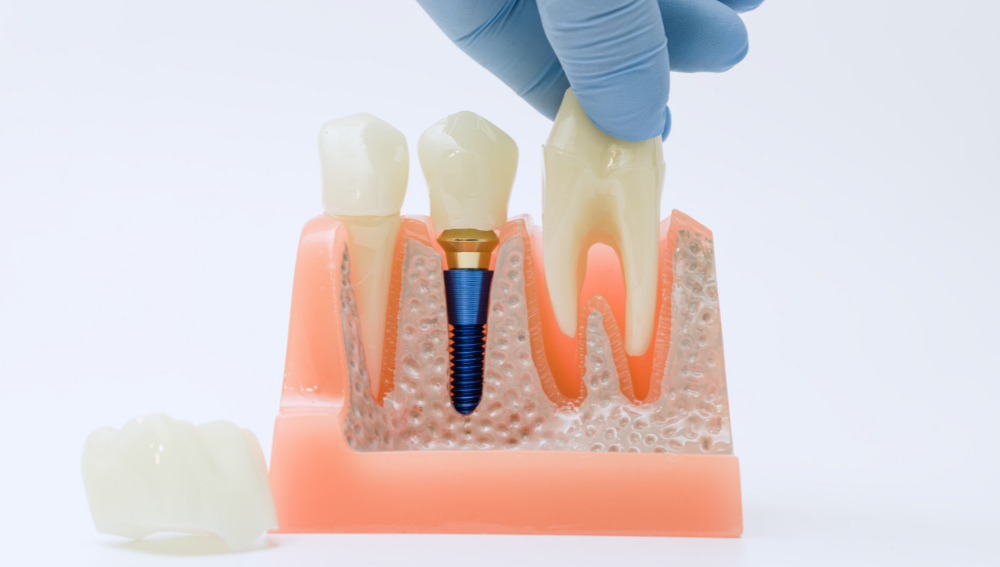
When a tooth does need to be removed, our dental team focuses on your comfort and safety. We follow proven protocols to ensure you receive high-quality care every step of the way. Before any extraction, we carefully assess the position of the tooth, nearby nerves, and surrounding bone. This thorough planning helps reduce the risk of complications and allows us to choose the most appropriate approach—whether it’s a simple extraction or a more complex surgical procedure.
Some patients do worry about the idea of oral surgery, but the truth is, modern techniques make the whole thing a lot easier than most people expect. With local anesthetic, advanced tools and modern techniques such as atraumatic extraction, the procedure is designed to be as pain free as possible and support smooth healing. Our dental nurses and team members are with you every step of the way and will give you all the detailed post-operative instructions you need to help your mouth recover properly.
Our General Services
From routine checkups to specialized treatments, we provide complete dental care for your entire family.
Family Dentistry
Comprehensive care for patients of all ages, from children to seniors.
- First visit education
- Gentle approach for kids
- Senior-focused care
Dental Hygiene
Professional cleanings and preventive treatments to maintain oral health.
- Deep cleanings
- Gum disease prevention
- Oral health education
What Are Tooth Extractions?
A tooth extraction is a dental procedure where a tooth is carefully removed from its socket in the alveolar bone. It's often recommended when a tooth can't be saved because of some kind of damage, infection or severe dental pain. During the procedure, the dentist will gently loosen the tooth in the periodontal ligament before removing it from the bony socket. Once the tooth is out, the area becomes an empty socket that will gradually heal up as the bone renews itself.
Sometimes tooth removal is a pretty straightforward affair, especially when the tooth is fully visible above the gum line. That's known as a simple extraction and it's often carried out by a general dentist using local anaesthetic. However, in some cases the procedure may be more complex, such as when a tooth is broken below the gum line or when wisdom teeth are impacted beneath the surrounding bone. In these cases, a surgical extraction is needed and it requires careful planning and some pretty advanced techniques.
A dental extraction can also help prevent all sorts of complications down the line. Impacted wisdom teeth or crowded teeth can push against the rest of the teeth and cause all sorts of issues with alignment or infection. By removing the problematic tooth, we can protect the rest of the oral cavity and make sure you've got a healthy, pain-free smile.
Although losing one tooth might sound a bit worrying, the procedure often relieves a lot of pain and stops infection from spreading. Our team is all about gentle care, careful planning and clear communication so you know exactly why the extraction is recommended and how it will benefit your oral health.
Benefits of Tooth Extractions
Tooth removal is sometimes necessary to protect your mouth and prevent more serious dental problems from arising. When a tooth can't be saved through other treatments, extraction can bring a lot of relief from dental pain and improve your overall oral health.
Relief from Severe Pain
Removing a damaged or infected tooth can bring an end to ongoing dental pain. Once the infected tooth and pressure are gone, patients can return to eating and speaking with ease.
Prevents Infection from Spreading
A badly decayed tooth or apical pathology can spread infection to the bone or other teeth. A dental extraction removes the source of infection and protects the rest of your mouth.
Helps with Impacted Wisdom Teeth
Wisdom teeth removal is often recommended when impacted teeth cause swelling or damage to adjacent teeth. Removing third molars early on can prevent complications in the lower jaw and surrounding bone.
Protects Your Overall Oral Health
Sometimes a tooth may need to come out if it's threatening nearby structures like the maxillary sinus, nerves or surrounding bone. Taking out a problematic tooth gives your mouth a chance to heal and maintain proper oral health.
Tooth Extractions Procedure
Every dental extraction is carefully planned to make sure it's as comfortable and safe as possible for the patient. Our team will explain the whole procedure so you know what to expect before, during and after treatment.
Step 1: Clinical Examination
First, the dentist performs a full examination of the tooth and its surrounding area to get a better understanding of the tooth's position , root shape, and condition. They'll also take a close look at your pain history and check for any signs of infection or damage in the extraction area.
Step 2: Treatment Planning
If saving that tooth through other treatments - like endodontic treatment or restorative care - isn't an option, the dentist might recommend an extraction. Before we move forward, we also check for nearby structures like the inferior alveolar nerve, lingual nerve and the maxillary sinus to make sure we can proceed safely. On top of that, in cases where impacted wisdom teeth or a mandibular molar removal is needed, the dentist may advise oral surgery.
Step 3: Numbing Up The Area
Right before we start the procedure, the dentist will give you a local anesthetic to numb the extraction site - this way you won't be feeling a thing during the process. Local anaesthesia is commonly used to keep the area comfortable during the procedure. In certain complex cases, additional sedation options may be discussed if appropriate.
Step 4: Loosening The Tooth
Once we've numbed up the area, the dentist will use a special instrument called an elevator which has a curved end that gently loosens the tooth in the periodontal ligament - this is a careful process where the dentist gently loosens the tooth until it can be safely removed.
Step 5: Removing the Tooth
After the tooth is loosened, the dentist uses forceps to take it right out of the tooth socket. In some surgical extractions, a small incision is made along the gum line so the dentist can get to the tooth more easily. In some cases , they might need to divide the tooth along a fracture line to make removal easier - especially when dealing with impacted teeth.
Step 6: Protecting The Extraction Site
Once the tooth is out, a blood clot forms in the empty tooth socket - this clot is super important for protecting the surrounding bone and nerves as they heal. We might put some sterile gauze over the site so you can gently bite down on it for a few hours.
Step 7: Post Extraction Recovery
Recovery after a tooth extraction is key, and our dental team will give you clear post-operative instructions on how to manage any swelling, what foods to eat and how to care for the surgical site. Following these instructions will help you avoid any complications like a dry socket - which can happen if the blood clot becomes dislodged.
Step 8: Getting Back To Normal
Some mild swelling is perfectly normal after a dental procedure . We recommend using an ice pack on the outside of the jaw and following the recommended pain management plan to help you feel better. Eating soft foods and being careful not to chew too hard will also help the extraction site heal properly.
Why Choose Smile Castle Dental And Implant Studio for Your Tooth Extractions?
At Smile Castle Dental And Implant Studio, our main goal is to make every single one of our patients feel comfortable and confident throughout their dental treatment. Our dental team combines modern dental techniques with a caring and supportive approach - from your first consultation right through to your final stages of healing .
Experienced Dental Team
Our general dentist and dental nurses have loads of experience with both simple and surgical extractions. We give every tooth and surrounding structure a thorough evaluation before recommending treatment.
Gentle and Up To Date Techniques
We use the latest techniques such as atraumatic extraction to protect the surrounding bone and soft tissues. This approach helps reduce swelling and supports faster bone regeneration.
Patient Comfort Above All
Every procedure is done using effective local anaesthesia to keep you comfortable. Our team will also give you detailed guidance on pain management and recovery.
Clear Communication - Every Step Of The Way
We explain every step of the procedure so you know exactly what to expect. Our team will also give you personalized post-operative instructions to support proper healing.
Botox at the Dental Office
At Smile Castle Dental, we offer Botox treatments as a natural extension of our comprehensive facial aesthetics services. Our dentists have extensive training in facial anatomy, making them ideally qualified to administer these treatments.
Whether you are looking to reduce fine lines and wrinkles or seeking relief from TMJ-related jaw tension, our clinical approach ensures safe, effective, and natural-looking results.
Forehead Lines
Smooth horizontal forehead wrinkles for a refreshed appearance.
Crow's Feet
Soften lines around the eyes.
Frown Lines
Reduce the vertical lines between the eyebrows
TMJ Relief
Reduce jaw tension and teeth grinding symptoms.
FAQs
Do tooth extractions actually hurt?
At Smile Castle Dental And Implant Studio, we work hard to make sure that every tooth extraction is as comfortable as possible. We use local anaesthesia to numb the area so you won't feel a thing during the procedure. You may feel a bit of pressure when the tooth is being loosened from the socket, but it shouldn't actually be painful. After the extraction, you might experience some mild discomfort or swelling for a few days. Our team will give you clear pain management tips to help you recover comfortably.
How long does it take to recover after a tooth extraction?
Most people start to feel a lot better within a few days after the dental procedure. The blood clot that forms in the empty tooth socket will help protect the surrounding bone while healing occurs. We'll recommend eating soft foods and being careful not to chew too hard for the first few days. Following the post-operative instructions from our team will help your recovery speed up. Full healing of the extraction area can take several weeks as bone regeneration happens.
When do you actually need to have your wisdom teeth removed?
From our point of view as dentists, we usually recommend removing wisdom teeth when third molars start causing problems or become impacted. That being said, impacted wisdom teeth can put pressure on adjacent teeth & cause some pretty nasty symptoms like swelling, infection or dental pain. If that happens, taking out the tooth is a good way to protect the rest of your dental arch & surrounding bone. Before we even think about extracting it we take a good hard look at each case ourselves to decide whether it's the right thing to do. Our goal always is to protect your long term oral health & prevent any future complications.
What do I need to do after a dental extraction?
After the procedure, our dental team will give you some detailed instructions on how to care for yourself during the recovery period. We usually tell patients to bite down on some sterile gauze for a bit to help control the bleeding. And , applying an ice pack can certainly help reduce that nasty swelling around your lower jaw or cheek. You'll want to stick to soft foods and just let the extraction site be for the first day. By following these steps you can help prevent dry socket & get your mouth healed properly.
Can a tooth extraction actually harm the nerves nearby?
The good news is that most of the time tooth removal doesn't bother the nerves. However, in some cases, especially when it comes to the lower jaw (mandibular molars) , there is a risk of the inferior alveolar nerve or lingual nerve getting in the way. Our dentist will take a close look at these structures before we start the procedure to do our best to avoid any problems. We use all sorts of careful techniques and advanced planning to make sure we protect those nerves that give us our sensation in the mouth. Patient safety is always our top priority.