


Chipped Tooth Treatment in Chilliwack
A chipped tooth can cause discomfort, sensitivity, or concern about your smile. Chipped tooth treatment in Chilliwack at Smile Castle Dental and Implant Studio can help repair and protect the affected tooth.
Even a small chip should be checked, as deeper damage may affect the nerves or blood vessels inside the tooth. Our dental team provides personalized care for chipped teeth, broken teeth, dental pain, and other urgent concerns.
Our General Services
From routine checkups to specialized treatments, we provide complete dental care for your entire family.
Family Dentistry
Comprehensive care for patients of all ages, from children to seniors.
- First visit education
- Gentle approach for kids
- Senior-focused care
Dental Hygiene
Professional cleanings and preventive treatments to maintain oral health.
- Deep cleanings
- Gum disease prevention
- Oral health education
What Is a Chipped Tooth?
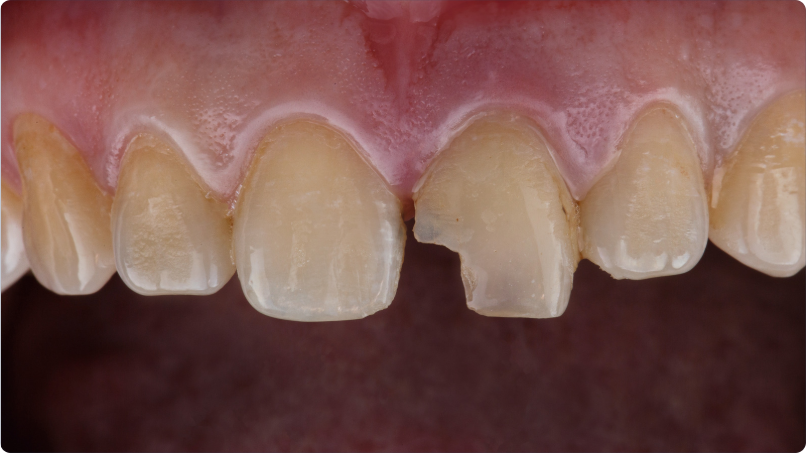
You have a chipped tooth when a small piece of the tooth has broken away. It can happen on the edge of a front tooth, on the back of a back tooth, or even around an existing filling or crown.
Some chipped teeth are quite obvious, but others you might only notice when you run your tongue over them and feel that rough edge. It can make eating or chewing uncomfortable or even cause sensitivity when you eat something hot, cold, sweet, or acidic.
The thing is, a chipped tooth can cause problems with your oral health. If bacteria get into a crack or damaged area, you can get decay or an infection in that tooth. That can lead to other complications.
Not every chipped tooth is a dental emergency. Just because it does not hurt right away does not mean it is not worth checking out. But the deeper the break, the more likely you are to feel it.
In Chilliwack, chipped tooth treatment focuses on figuring out what happened, examining the tooth, and coming up with a suitable way to fix it. The sooner we can do that, the better the chance the tooth has of not getting any worse.
What Causes a Chipped Tooth?
Chipped teeth can happen for all sorts of reasons. Some people get them after an accident, and others develop them because their teeth gradually get weaker from wear and tear over time, from a cavity, or from grinding and clenching their teeth.
Some of the most common causes include:
- Chewing on hard things like ice, candy, or non-food items
- Getting hurt, whether that is from a fall, a sports injury, or a car accident
- Grinding or clenching your teeth, especially when you are sleeping
- Having a cavity that weakens a bit of the tooth
- Old fillings that no longer do their job
- Chewing on a tooth that is already damaged or has a loose crown
- Using your teeth to do things that they should not, like opening packages or holding objects
- Injuries to the mouth, gums, or other teeth
- Even a strong bite can chip a tooth
- If you lose a filling, your tooth is more vulnerable to cracking or breaking during chewing.
Some accidents can be a lot more serious than just a chipped tooth. You might have a broken tooth, a knocked-out tooth, or swelling in the surrounding tissue, and in some cases, you need emergency dental care right away.
If the trauma affects the root, socket, gums, or other teeth near the chipped tooth, your dentist will need to take a closer look. This helps them find any issues that could lead to more problems later.
Common Signs and Symptoms
The signs of a chipped tooth can vary a lot from person to person. Some people might not feel any pain at all, but for others, it can be a real issue, with sharp edges, toothache, sensitivity to different temperatures, or sweet or sour tastes.
You might notice:
- A visible chip or crack on the tooth
- A rough or sharp edge that gets in the way
- Pain when you bite or chew
- Sensitivity to hot drinks, cold foods, sweets, or acidity
- Pain that comes and goes
- Severe tooth pain
- Swelling around the tooth or gums
- Bleeding after an accident
- A loose filling, a lost filling, or a crown
- Trouble brushing around the affected area
- A change in how your teeth fit together when you bite
A small chip might only affect the outer layer and might not hurt at all. But deeper damage can expose the pulp inside the tooth, which can lead to a lot of problems, especially if bacteria get in.
When the pulp is affected, pain can get a lot worse, especially if there is an infection. That can lead to swelling, pressure, and a painful toothache that needs professional help.
If you do not get your chipped tooth treated, the symptoms can get worse over time. Even if the pain goes away, the underlying problem might still be there.
What Are Dental Implants?
Dental implants are the gold standard for replacing missing teeth. Unlike dentures or bridges, implants replace both the root and crown of your tooth, providing a permanent solution that looks, feels, and functions like natural teeth.
At Smile Castle Dental And Implant Studio, our highly experienced team uses advanced 3D imaging and computer-guided surgery to ensure precise placement and optimal outcomes. We're proud to be the leading provider of dental implants in Chilliwack.
Whether you're missing one tooth or need full-arch restoration, we customize every treatment plan to your unique anatomy and aesthetic goals.
Precision
3D-guided placement
Natural Look
Indistinguishable from real teeth
Long-Lasting
Designed to last a lifetime
Comfort
No adhesives or removal
When to See a Dentist
If you chip, crack, or hurt a tooth, it is a good idea to see a dentist as soon as you can. Seek dental care if you have:
- Severe tooth pain that does not go away
- Heavy bleeding from the mouth or gums
- A lot of swelling in your face, jaw, or gums
- A knocked-out tooth
- A broken tooth with a big piece missing
- An edge that is sharp and broken and is cutting the tongue or cheek
- Signs of an infection, including swelling, high fever, pus, or a bad taste that does not go away
- A loose or missing crown, filling, or any other work that was done to repair the tooth
- A tooth that has been through some trauma, even if it looks fine on the surface
A knocked-out tooth is one of those dental emergencies that calls for fast action. If you can manage it, pick the tooth up by the crown, not the root, and rinse it under some water. Then, try to keep it in milk or your own saliva to keep it moist. Do not scrub the tooth or try to remove any tissue that is still attached.
Contact an emergency dentist as soon as possible. Acting quickly can improve your chances of saving the tooth, and keeping it in good condition might make a difference.
If you wait too long, it can give bacteria the chance to enter the damaged area. This could lead to infection, severe pain, damage to the pulp, and a need for more involved treatment later on.
Early chipped tooth treatment in Chilliwack can address a lot of your pain, protect the tooth, and reduce the risk of the problem getting worse. If you are not sure just how urgent your concern is, contact our dental office, and we will point you in the right direction.
How We Diagnose and Assess It
It all starts with a conversation about what happened, when the pain started, and whether you have noticed any sensitivity, swelling, or changes in the way you are chewing. The dentist listens to your concerns and looks at your health history to get a better idea of what is going on.
Next, they do a proper examination of the tooth, the neighbouring teeth, the gums, and the tissue around it all. They are on the lookout for chipped areas, cracks, decay, loose fillings, signs of infection, and any injuries you might not have even noticed.
Dental X-rays might be called for if needed. These give the dentist a good look at the root, nerves, bone, socket, and structures below the gum line.
During the assessment, they might take a look at how your teeth are all meeting up when you bite. That can help figure out if grinding, clenching, or general wear and tear might have caused the chip.
It usually takes about 30 to 60 minutes, depending on the issue at hand and whether treatment can be completed during the same visit. They will let you know right away if anything needs to be taken care of before we can get on with the rest of it. For major emergencies, our team will walk you through the priority order.
The assessment might cover:
- A close-up examination of the chipped or broken tooth
- A check to see if the gums are inflamed or if there is any bleeding
- X-rays if there is a chance of root or pulp damage
- Testing the tooth for sensitivity and pain
- Checking the neighbouring teeth for any cracks or trauma
- Going over your treatment options and what you can expect in terms of follow-up and aftercare
By taking the time to get a proper picture of what is going on, we can come up with a dental emergency plan that meets your needs and addresses any underlying concerns, too.
Treatment Options for Chipped Tooth Treatment
Treatment depends on the size and location of the chip, the amount of healthy tooth structure left, and whether the pulp or root has been affected. Our goal is to repair the tooth, protect it from further damage, and help you feel comfortable again.
Treatment options may include:
- Smoothing and polishing: For a small chip, the dentist may smooth and polish the rough edge. This can reduce irritation and make the tooth feel more comfortable against your tongue or cheek.
- Dental bonding: A tooth-coloured material can be shaped onto the damaged area to repair the chip and improve the appearance of the smile.
- Dental crown: If the chip is larger or the tooth is weakened, a crown may be recommended. A crown covers and protects the visible portion of the tooth, helping restore its shape and chewing function.
- New fillings: When a cavity or old filling has contributed to the damage, the dentist may remove the weakened area and place new fillings. This helps address the root cause of the problem rather than only covering the chipped spot.
- Root canal treatment: If the damage reaches the pulp, root canal therapy may be needed. During treatment, the dentist removes damaged or infected tissue from inside the tooth, cleans the area, and seals it to help prevent infection.
- Tooth extraction: If a tooth is severely broken and cannot be repaired, extraction may be the safest option. The dentist will discuss options for replacing the tooth and restoring your smile.
At home, avoid chewing on the affected side until you are treated. You can also:
- Rinse your mouth with warm water
- Use a cold compress on the outside of your face if there is swelling
- Follow the instructions provided by the dental team
- Avoid placing aspirin directly on the gums or tooth, as it can irritate the tissue
Why Choose Smile Castle Dental and Implant Studio for Chipped Tooth Treatment in Chilliwack?
Smile Castle Dental and Implant Studio provides comprehensive dental care for individuals and families in Chilliwack. We understand that a chipped tooth can be upsetting, painful, or embarrassing, especially when it affects your front teeth or daily routine.
At our dental clinic, we provide:
- Clear explanations of what we find and which treatment may be needed
- Personalized care based on your tooth, symptoms, health, and comfort needs
- Treatment for chipped teeth, broken teeth, dental pain, and other emergencies
- Prompt assessment when you need emergency dental care
- Comfort options, including sedation options when appropriate
- Modern tools to assess damage and plan treatment carefully
- Support with appointments, insurance questions, and treatment planning
- Care for new patients seeking an emergency dentist or ongoing family dentistry in Chilliwack
Whether you need a simple repair, new fillings, a crown, root canal therapy, or emergency care, your treatment plan will be based on your individual needs.
How to Prevent Chipped Teeth
While not every accident can be prevented, good daily habits can lower the risk of chipped teeth and broken teeth. Regular dental visits also help the dentist find small cracks, worn fillings, and cavities before they become larger problems.
Brush your teeth twice a day with fluoride toothpaste and clean between your teeth daily. These steps support oral health and help lower the risk of decay that can weaken a tooth.
Avoid chewing ice, hard candy, popcorn kernels, and other very hard items. It is also a good idea to avoid using your teeth to open packages, cut tape, or hold objects.
Wear a mouthguard during sports or activities where facial injuries may happen. A custom mouthguard can help protect your teeth, gums, and mouth from trauma.
If you grind or clench your teeth, ask your dentist about a nightguard. A nightguard can help reduce repeated pressure that may lead to chips, cracks, and worn teeth.
Helpful prevention steps include:
- Brush twice daily and floss or clean between teeth each day
- Attend regular checkups and professional cleanings
- Repair a lost filling or damaged crown as soon as possible
- Wear a mouthguard for sports
- Avoid biting hard objects or using teeth as tools
- Ask about treatment if you have tooth grinding, jaw tension, or frequent toothaches
- Contact the dental office promptly when you notice pain, a crack, or a chipped edge
Frequently Asked Questions
Is a chipped tooth a dental emergency?
A small chipped tooth without pain may not need emergency dental care, but you should still make an appointment soon. If you have severe pain, swelling, bleeding, a knocked out tooth, or a large broken area, contact an emergency dentist immediately.
Can a chipped tooth repair itself?
No, tooth enamel does not grow back on its own. A dentist can smooth a minor chip or repair it with bonding, fillings, a crown, or another treatment based on the amount of damage.
What should I do right after I chipped a tooth?
Rinse your mouth with warm water and save any broken piece if you can find it. Use a cold compress if there is swelling, avoid chewing on the affected area, and contact our dental clinic for an appointment
Will I need a root canal for a chipped tooth?
Not always. Root canal treatment is usually only needed when the chip is deep enough to affect the pulp, nerves, or blood vessels inside the tooth. The dentist will examine the tooth and may take X-rays before recommending treatment.
Can chipped teeth cause infection?
Yes, a deep chip or crack can create an opening where bacteria can enter the tooth. If the tooth is not treated, infection may develop and lead to pain, swelling, and further complications.
Ready for Your Castle-Quality Smile?
Experience dental care that exceeds expectations. Book your consultation with Chilliwack's premier dental studio today.