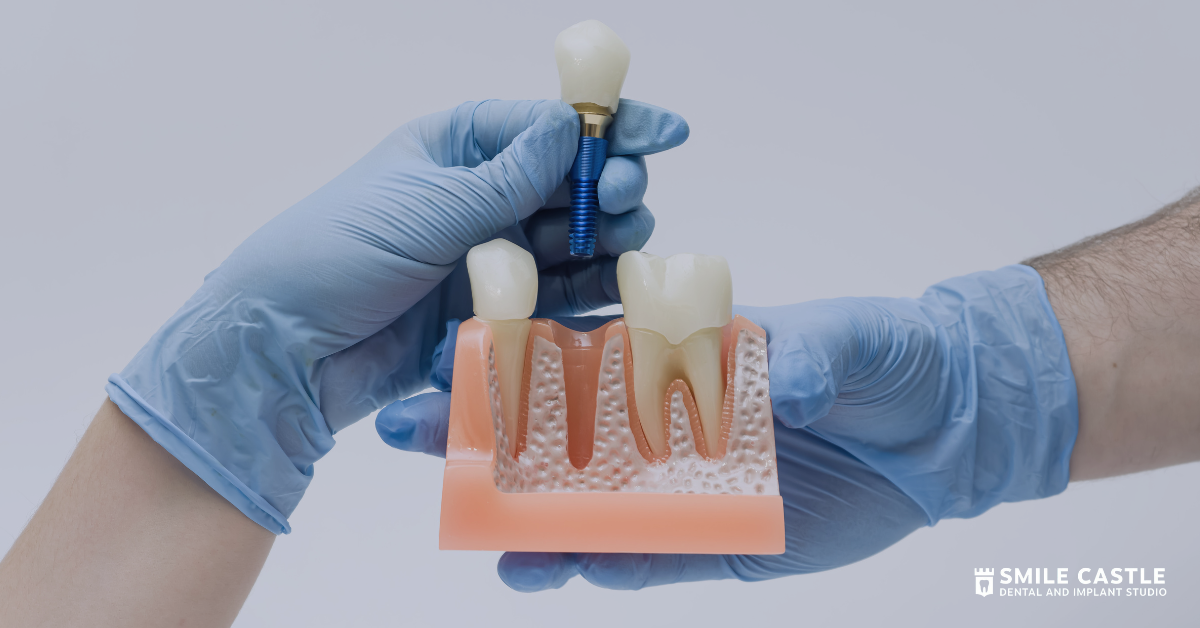


How to Care for Dental Implants in Chilliwack After Surgery
By Bhavesh Gabani • July 24, 2026

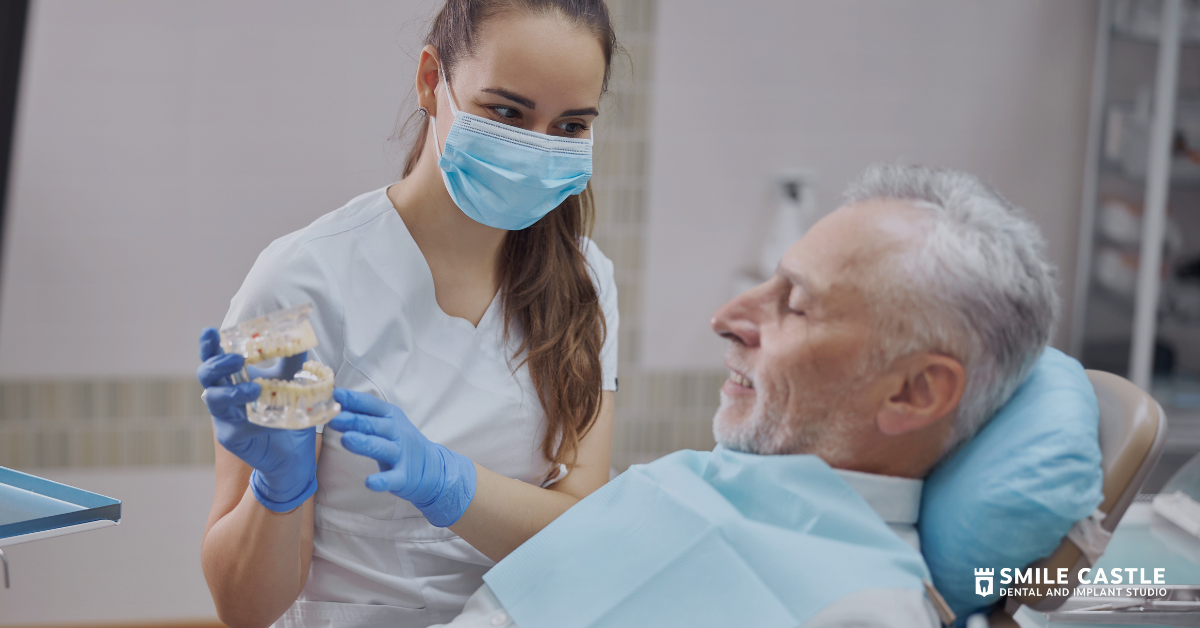
Getting a dental implant is a big step toward restoring your smile, chewing, and long-term oral health. While the procedure itself is designed to be a durable replacement for a missing tooth, the healing process is just as important as the surgery. Knowing how to care for dental implants in Chilliwack after surgery can reduce the risk of complications and support recovery.
Whether you just had the surgery or are about to have it, knowing what to expect during healing can help you feel more comfortable throughout the recovery process. In this guide, you will learn what happens after dental implant surgery, aftercare tips, foods to eat and avoid, signs of normal healing, and when to contact your dentist.
At Smile Castle Dental and Implant Studio, we believe educating patients about proper aftercare is part of having a healthy, long-lasting smile.
Quick Answer: Which Is Better: Dental Implants or Dentures in Chilliwack?
For many patients, dental implants may be the more durable long-term solution, as they can mimic natural tooth function and help preserve the jawbone. However, dentures are an excellent option for many patients, depending on their clinical needs, health, and personal preferences.
The right treatment depends on:
- Your oral health and overall health
- Bone volume and sufficient jawbone density
- Number of missing teeth
- Your budget and treatment goals
- Your dentist’s recommendation after a consultation
At Smile Castle Dental and Implant Studio, our team will evaluate your smile and recommend the treatment that’s best for you.
QUICK ANSWER
How Should You Care for Dental Implants in Chilliwack After Surgery?
Proper care for dental implants in Chilliwack after surgery means following your dentist’s post-operative instructions, keeping the surgical area clean, eating soft foods, avoiding smoking and tobacco products, taking prescribed medications as directed, and attending all follow-up appointments. Keeping good oral hygiene while allowing the implant site to heal helps with recovery and the long-term stability of the implant.
In this article:
- Why Proper Aftercare Matters After Dental Implant Surgery
- What to Expect During the Healing Process
- Daily Tips to Care for Dental Implants in Chilliwack After Surgery
- Foods to Eat and Foods to Avoid During Recovery
- Signs Your Implant Is Healing Normally vs. When to Contact Your Dentist
- Dental Implant Recovery Timeline
- Long-Term Habits That Help Protect Dental Implants
- Learn More from Trusted Dental Resources
- Frequently Asked Questions
- Preserve Bone: Unlike removable dentures, implants stimulate the jawbone during chewing. This helps reduce bone loss, maintain bone volume, and preserve your facial structure over time.
- Restore Natural Function: Dental implants allow patients to chew, bite, and speak with confidence. Because they are securely fixed into the bone, they function like natural teeth.
- Protect Adjacent Teeth: Unlike some dental bridges, implants do not require reshaping adjacent teeth, helping preserve healthy tooth structure.
- Long-Term Solution: With proper home care and regular professional maintenance, dental implants may function for decades. Longevity varies based on individual health, oral hygiene, and other factors.
- Natural Appearance: Each implant restoration is custom-designed to match the colour, size, and shape of your existing teeth, creating a seamless and natural look.
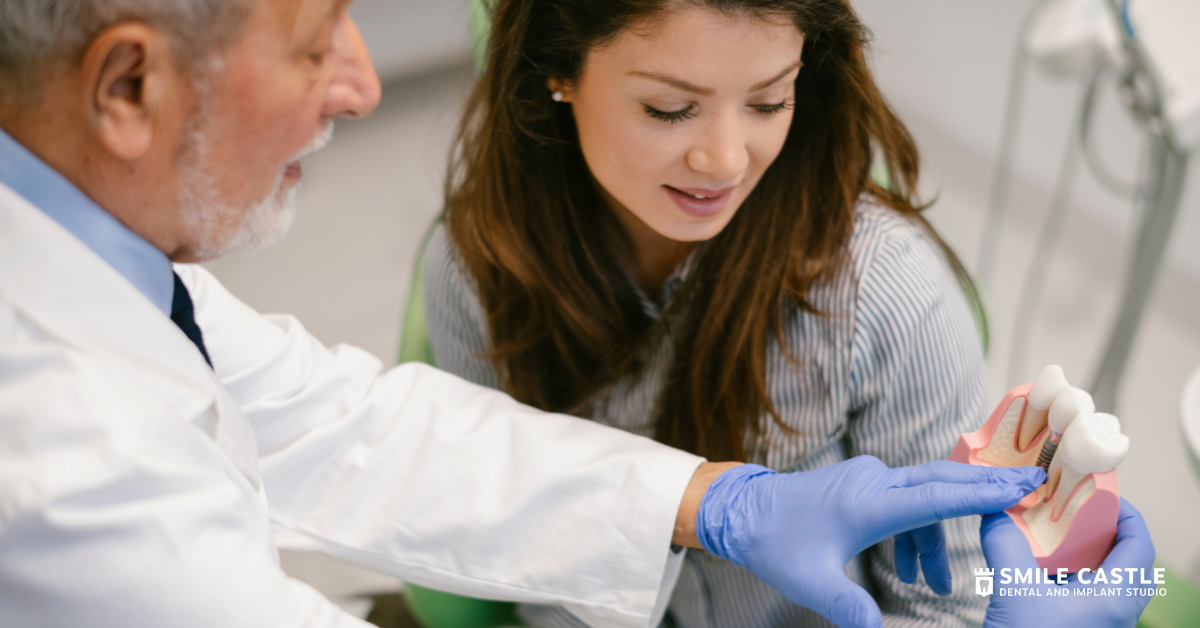
If multiple teeth are missing, several implants may be used to support implant-supported bridges or other restorations. This allows your dentist to restore function while maintaining your bite, facial appearance, and oral health.
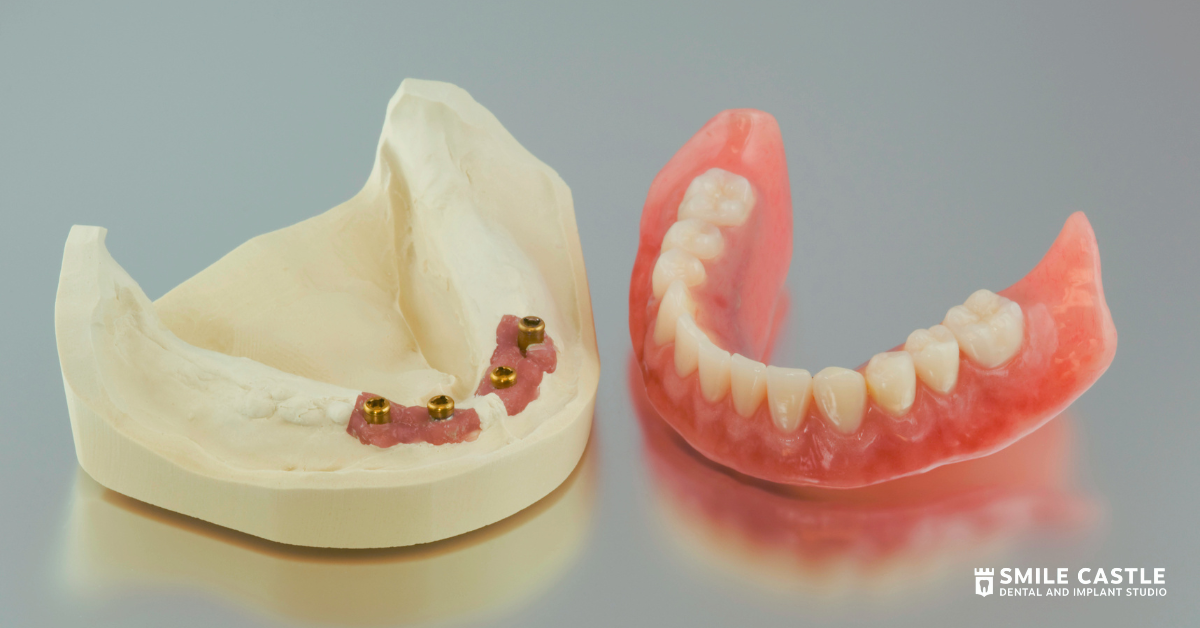
Full-Arch Tooth Replacement
Why Proper Aftercare Matters After Dental Implant Surgery
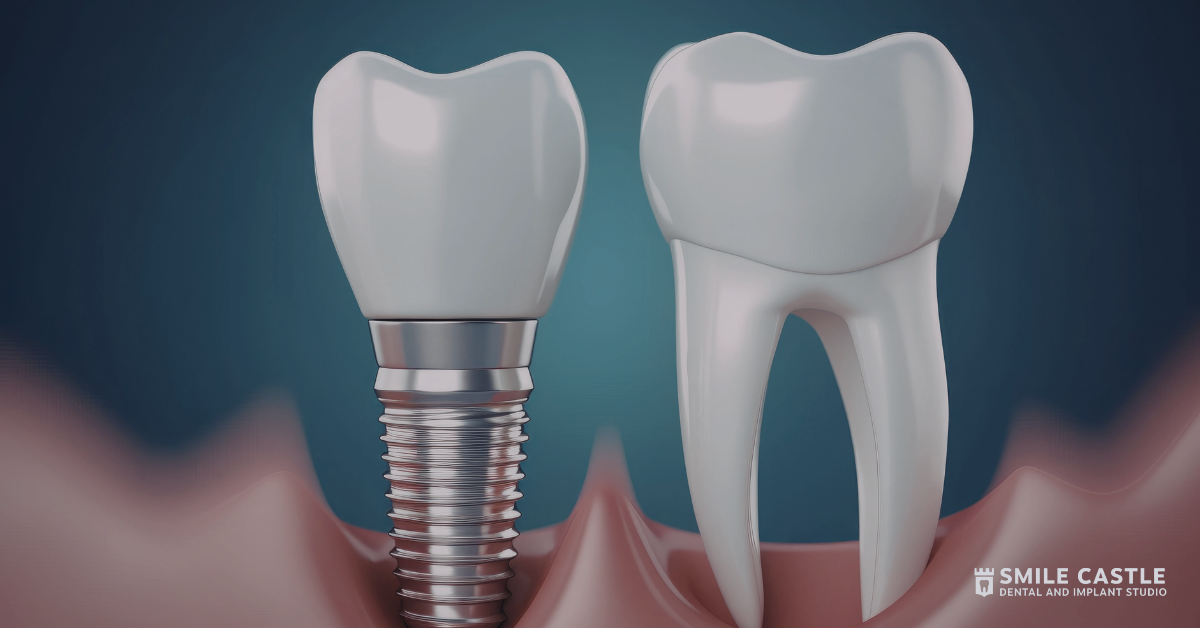
Dental implants are designed to replace the root of a missing tooth. Once the implant is placed into the jawbone, your body starts a natural healing process called osseointegration. During this process, the bone gradually fuses with the implant, creating a stable foundation for a future dental crown.
Although dental implants have high long-term success rates, the healing period requires patience and proper care. The tissues around the implant need time to recover, and following your dentist’s instructions can reduce irritation and lower the risk of infection or other complications.
Every patient heals differently. Factors such as overall health, oral hygiene habits, smoking, medications, and whether additional procedures such as bone grafting were done can influence healing time. That’s why it’s important to follow the personalized aftercare instructions given by your dental team rather than comparing your recovery to someone else’s.
- Preserve Bone: Unlike removable dentures, implants stimulate the jawbone during chewing. This helps reduce bone loss, maintain bone volume, and preserve your facial structure over time.
- Restore Natural Function: Dental implants allow patients to chew, bite, and speak with confidence. Because they are securely fixed into the bone, they function like natural teeth.
- Protect Adjacent Teeth: Unlike some dental bridges, implants do not require reshaping adjacent teeth, helping preserve healthy tooth structure.
- Long-Term Solution: With proper home care and regular professional maintenance, dental implants may function for decades. Longevity varies based on individual health, oral hygiene, and other factors.
- Natural Appearance: Each implant restoration is custom-designed to match the colour, size, and shape of your existing teeth, creating a seamless and natural look.
If multiple teeth are missing, several implants may be used to support implant-supported bridges or other restorations. This allows your dentist to restore function while maintaining your bite, facial appearance, and oral health.
Full-Arch Tooth Replacement
What to Expect During the Healing Process
Knowing what’s normal during recovery can help you feel more prepared after your procedure.
First 24 Hours
The first day after dental implant surgery is all about protecting the surgical site and allowing the initial healing to begin. During this time, it's common to experience:
- Mild bleeding or slight oozing
- Swelling around the gums, cheek, or jaw
- Minor discomfort
- Temporary numbness as the anesthetic wears off
Your dentist may recommend resting for the rest of the day, applying an ice pack intermittently to reduce swelling, and avoiding strenuous physical activity. Don’t touch the surgical area with your fingers or tongue.
Days 2–7
During the first week, most patients notice gradual improvement. You may experience:
- Reduced swelling
- Mild bruising
- Less discomfort
- Increased comfort while eating soft foods
This is when gentle oral hygiene becomes more important. Your dentist may recommend brushing nearby teeth and using a prescribed antimicrobial rinse or warm saltwater rinses, depending on your individual treatment plan.
The Following Weeks and Months
Although the gums heal within several weeks, healing beneath the surface takes much longer. Over the coming months:
- The implant gradually bonds with the jawbone.
- Gum tissues continue strengthening.
- Your dentist monitors healing during follow-up appointments.
Because osseointegration happens beneath the gums, it’s possible to feel completely comfortable even though the implant is still healing internally. Following your dentist’s recommendations throughout this period helps with long-term success.
- Preserve Bone: Unlike removable dentures, implants stimulate the jawbone during chewing. This helps reduce bone loss, maintain bone volume, and preserve your facial structure over time.
- Restore Natural Function: Dental implants allow patients to chew, bite, and speak with confidence. Because they are securely fixed into the bone, they function like natural teeth.
- Protect Adjacent Teeth: Unlike some dental bridges, implants do not require reshaping adjacent teeth, helping preserve healthy tooth structure.
- Long-Term Solution: With proper home care and regular professional maintenance, dental implants may function for decades. Longevity varies based on individual health, oral hygiene, and other factors.
- Natural Appearance: Each implant restoration is custom-designed to match the colour, size, and shape of your existing teeth, creating a seamless and natural look.
If multiple teeth are missing, several implants may be used to support implant-supported bridges or other restorations. This allows your dentist to restore function while maintaining your bite, facial appearance, and oral health.
Full-Arch Tooth Replacement
Soft foods reduce pressure on the implant while providing the nutrients your body needs during recovery. Examples include:
- Yogurt
- Mashed potatoes
- Scrambled eggs
- Cottage cheese
- Oatmeal
- Smooth soups
- Applesauce
- Soft pasta
As you heal, your dentist will let you know when you can start eating firmer foods.
Daily Tips to Care for Dental Implants in Chilliwack After Surgery
Establishing good habits after surgery can create the ideal environment for healing.
Keep the Surgical Area Clean
A clean mouth helps reduce the buildup of harmful bacteria. Follow your dentist’s instructions regarding rinsing, and don’t swish vigorously during the first day unless advised otherwise.
Brush Gently
Continue to brush your remaining teeth while taking extra care around the implant site. Using a soft-bristled toothbrush can help clean your teeth without irritating healing tissues.
Use Recommended Mouth Rinses
If your dentist recommends an antimicrobial mouth rinse or warm saltwater rinses after the first day, use them exactly as directed. These rinses can help keep the surgical area clean while supporting normal healing.
Stay Hydrated
Drinking plenty of water supports your overall health and helps keep your mouth comfortable during recovery.
Avoid Smoking and Tobacco
Smoking reduces blood flow to the surgical area. Tobacco use has been linked to implant complications. If you smoke, talk to your doctor about resources to help you quit.
Take Medications as Directed
If antibiotics or pain medication were prescribed, follow your dentist’s instructions. Don’t stop taking medications unless your doctor tells you to.
Attend Every Follow-Up Appointment
Follow-up visits allow your dentist to monitor healing, answer your questions, and identify any concerns before they become larger problems.
- Preserve Bone: Unlike removable dentures, implants stimulate the jawbone during chewing. This helps reduce bone loss, maintain bone volume, and preserve your facial structure over time.
- Restore Natural Function: Dental implants allow patients to chew, bite, and speak with confidence. Because they are securely fixed into the bone, they function like natural teeth.
- Protect Adjacent Teeth: Unlike some dental bridges, implants do not require reshaping adjacent teeth, helping preserve healthy tooth structure.
- Long-Term Solution: With proper home care and regular professional maintenance, dental implants may function for decades. Longevity varies based on individual health, oral hygiene, and other factors.
- Natural Appearance: Each implant restoration is custom-designed to match the colour, size, and shape of your existing teeth, creating a seamless and natural look.
If multiple teeth are missing, several implants may be used to support implant-supported bridges or other restorations. This allows your dentist to restore function while maintaining your bite, facial appearance, and oral health.
Full-Arch Tooth Replacement
Foods to Eat and Foods to Avoid During Recovery
Choosing appropriate foods during recovery can help protect the healing implant while keeping you comfortable. Soft foods reduce pressure on the implant while providing the nutrients your body needs during recovery. As you heal, your dentist will let you know when you can start eating firmer foods.
| Recommended Foods | Foods to Avoid |
|---|---|
| Yogurt | Hard nuts |
| Mashed potatoes | Popcorn |
| Scrambled eggs | Crunchy chips |
| Oatmeal | Sticky candy |
| Cottage cheese | Tough meats |
| Lukewarm soups | Very hot foods |
| Soft pasta | Chewy bread |
- Preserve Bone: Unlike removable dentures, implants stimulate the jawbone during chewing. This helps reduce bone loss, maintain bone volume, and preserve your facial structure over time.
- Restore Natural Function: Dental implants allow patients to chew, bite, and speak with confidence. Because they are securely fixed into the bone, they function like natural teeth.
- Protect Adjacent Teeth: Unlike some dental bridges, implants do not require reshaping adjacent teeth, helping preserve healthy tooth structure.
- Long-Term Solution: With proper home care and regular professional maintenance, dental implants may function for decades. Longevity varies based on individual health, oral hygiene, and other factors.
- Natural Appearance: Each implant restoration is custom-designed to match the colour, size, and shape of your existing teeth, creating a seamless and natural look.
If multiple teeth are missing, several implants may be used to support implant-supported bridges or other restorations. This allows your dentist to restore function while maintaining your bite, facial appearance, and oral health.
Full-Arch Tooth Replacement
Signs Your Implant Is Healing Normally vs. When to Contact Your Dentist
Some discomfort after dental implant surgery is expected. However, knowing the difference between normal healing and symptoms that need attention is important.
Signs of Normal Healing
Many patients experience:
- Mild swelling
- Minor bruising
- Slight bleeding during the first day
- Tenderness around the surgical area
- Steady improvement over several days
These symptoms generally become less noticeable as healing progresses.
When You Should Contact Your Dentist
Contact your dental office if you notice:
- Pain that becomes worse instead of improving
- Persistent or heavy bleeding
- Fever or chills
- Pus or unusual drainage
- Swelling that continues increasing after several days
- A loose-feeling implant
Seeking prompt professional advice allows your dentist to determine whether additional care is needed.
- Preserve Bone: Unlike removable dentures, implants stimulate the jawbone during chewing. This helps reduce bone loss, maintain bone volume, and preserve your facial structure over time.
- Restore Natural Function: Dental implants allow patients to chew, bite, and speak with confidence. Because they are securely fixed into the bone, they function like natural teeth.
- Protect Adjacent Teeth: Unlike some dental bridges, implants do not require reshaping adjacent teeth, helping preserve healthy tooth structure.
- Long-Term Solution: With proper home care and regular professional maintenance, dental implants may function for decades. Longevity varies based on individual health, oral hygiene, and other factors.
- Natural Appearance: Each implant restoration is custom-designed to match the colour, size, and shape of your existing teeth, creating a seamless and natural look.
If multiple teeth are missing, several implants may be used to support implant-supported bridges or other restorations. This allows your dentist to restore function while maintaining your bite, facial appearance, and oral health.
Full-Arch Tooth Replacement
Dental Implant Recovery Timeline
Recovery after a dental implant happens in stages. Most patients feel better within one to two weeks, while the implant continues to heal and bond with the jawbone over the following months. Following your dentist's aftercare instructions is key to a successful recovery.
| Timeline | What to Do |
|---|---|
| Day of surgery | Rest, manage bleeding, and use ice packs. |
| First 24 hours | Protect the surgical site and follow aftercare instructions. |
| Days 2-7 | Continue gentle oral hygiene and eat soft foods. |
| Week 2 | Swelling and discomfort continue to improve. |
| Week 3-8 | Ongoing bone healing and routine follow up visits. |
| Long-term | Maintain excellent oral hygiene and regular dental checkups. |
- Preserve Bone: Unlike removable dentures, implants stimulate the jawbone during chewing. This helps reduce bone loss, maintain bone volume, and preserve your facial structure over time.
- Restore Natural Function: Dental implants allow patients to chew, bite, and speak with confidence. Because they are securely fixed into the bone, they function like natural teeth.
- Protect Adjacent Teeth: Unlike some dental bridges, implants do not require reshaping adjacent teeth, helping preserve healthy tooth structure.
- Long-Term Solution: With proper home care and regular professional maintenance, dental implants may function for decades. Longevity varies based on individual health, oral hygiene, and other factors.
- Natural Appearance: Each implant restoration is custom-designed to match the colour, size, and shape of your existing teeth, creating a seamless and natural look.
If multiple teeth are missing, several implants may be used to support implant-supported bridges or other restorations. This allows your dentist to restore function while maintaining your bite, facial appearance, and oral health.
Full-Arch Tooth Replacement
Long-Term Habits That Help Protect Dental Implants
Once your implant has healed, maintaining healthy habits is essential for protecting your investment in your smile. Helpful long-term practices include:
- Brushing twice daily using a soft-bristled toothbrush
- Cleaning between your teeth and around implants using floss or other recommended cleaning aids
- Scheduling routine dental examinations and professional cleanings
- Avoiding tobacco products
- Wearing a night guard if recommended for teeth grinding
- Eating a balanced diet that supports healthy teeth and gums
Although dental implants can’t get cavities, the surrounding gum tissue and supporting bone still need care. Good oral hygiene keeps both your implant and natural teeth healthy.
- Preserve Bone: Unlike removable dentures, implants stimulate the jawbone during chewing. This helps reduce bone loss, maintain bone volume, and preserve your facial structure over time.
- Restore Natural Function: Dental implants allow patients to chew, bite, and speak with confidence. Because they are securely fixed into the bone, they function like natural teeth.
- Protect Adjacent Teeth: Unlike some dental bridges, implants do not require reshaping adjacent teeth, helping preserve healthy tooth structure.
- Long-Term Solution: With proper home care and regular professional maintenance, dental implants may function for decades. Longevity varies based on individual health, oral hygiene, and other factors.
- Natural Appearance: Each implant restoration is custom-designed to match the colour, size, and shape of your existing teeth, creating a seamless and natural look.
If multiple teeth are missing, several implants may be used to support implant-supported bridges or other restorations. This allows your dentist to restore function while maintaining your bite, facial appearance, and oral health.
Full-Arch Tooth Replacement
Learn More from Trusted Dental Resources
If you want to learn more about dental implants and oral health, the Canadian Dental Association (CDA) has evidence-based patient information.
You can also check out the
American Academy of Implant Dentistry (AAID) for more information on dental implant treatment and long-term maintenance.
Frequently Asked Questions
How long does it take for dental implants to heal after surgery?
Gums usually heal within a few weeks, but the implant itself takes several months to fully integrate with the jawbone through osseointegration. Healing times vary depending on the individual’s health, the location of the implant, and whether additional procedures like bone grafting were done.
When can I brush around my dental implant after surgery?
Your dentist will give you personalized aftercare instructions. In most cases, patients can brush nearby teeth while avoiding the surgical site during the initial healing period. A soft-bristled toothbrush and gentle brushing technique are usually recommended.
What foods should I avoid after getting a dental implant?
During the healing process, it’s best to avoid hard, crunchy, sticky, chewy, spicy, or very hot foods that could irritate the surgical area or put pressure on the implant. Soft, nutritious foods are usually the way to go until your dentist tells you otherwise.
Can I smoke or drink alcohol after dental implant surgery?
Smoking and alcohol can slow healing and increase the risk of complications, especially during the first few days after surgery. Your dentist will usually recommend avoiding both until the surgical site has healed properly to support successful implant integration.
What should I do if I experience pain or swelling after my implant procedure?
Some discomfort and swelling are normal after implant surgery and usually improve within a few days. Follow your dentist’s instructions, take prescribed medications as directed, and contact the office if symptoms worsen or do not improve as expected.
A Healthy Recovery Begins with Good Aftercare
Healing from dental implant surgery takes time, but following the right aftercare can support healing and long-term oral health. By practicing good oral hygiene, eating soft foods during the early stages of recovery, attending scheduled follow-up appointments, and contacting your dentist if you notice unusual symptoms, you can create the best environment for healing.
At Smile Castle Dental and Implant Studio, we want our patients to understand every step of the dental implant process—from surgery to recovery—so they can feel comfortable taking care of their smile. If you have questions about your recovery or would like personalized advice on caring for dental implants in Chilliwack, our team is here to help.
To get in touch with our team or schedule an appointment, please visit our
contact page.
Ready to schedule your appointment?
Reach out to your trusted dentist in Chilliwack today. Now accepting new patients!
SHARE THIS
Latest Posts