


Dry Mouth Treatment in Chilliwack
Dry mouth can leave your mouth feeling sticky, uncomfortable, and hard to manage throughout the day. At Smile Castle Dental and Implant Studio, dry mouth treatment in Chilliwack can help you find relief, protect your teeth, and feel more comfortable when you speak, eat, and smile.
A dry mouth may seem like a small concern at first, but it can affect your everyday comfort and overall oral health. Our friendly dental team takes time to understand what is causing the problem and recommends simple, practical treatment options that fit your needs.
Our General Services
From routine checkups to specialized treatments, we provide complete dental care for your entire family.
Family Dentistry
Comprehensive care for patients of all ages, from children to seniors.
- First visit education
- Gentle approach for kids
- Senior-focused care
Dental Hygiene
Professional cleanings and preventive treatments to maintain oral health.
- Deep cleanings
- Gum disease prevention
- Oral health education
What Is Dry Mouth?
Dry mouth also known as xerostomia is what happens when your body doesn't produce enough saliva to keep your mouth moist. Saliva is important because it helps rinse away food particles, keeps bacteria under control, and generally helps keep your teeth and gums in good condition.
When your saliva production decreases, your mouth can end up feeling dry, rough, or sticky. Your lips might crack, your tongue might feel uncomfortable, and you might find yourself needing to drink water just to get through a conversation or swallow easily.
Dry mouth can do more than make you feel uncomfortable. It can also lead to serious oral health problems like tooth decay, cavities, gum disease, and bad breath.
Some people only get dry mouth from time to time, such as after sleeping with their mouth open, while others have it all the time. If it keeps coming back, our dry mouth treatment in Chilliwack can help protect your smile and make your daily routine easier.
Dry mouth can also affect your taste buds and make certain foods difficult to enjoy. Spicy, salty, dry, or crunchy foods can be uncomfortable when your mouth is dry.
What Causes Dry Mouth?
There are heaps of reasons why you might have a dry mouth. Sometimes its just a habit that's causing the problem, while other times it might be related to medication, a health issue or just a change in how your body works.
Dehydration, mouth breathing, stress and certain medications are all regular causes of dry mouth. If you've got a blocked nose at night, you might find yourself breathing through your mouth instead, and by morning, your mouth is dry as a bone.
Lots of medications have dry mouth as a side effect. Allergy meds, cold meds, blood pressure meds, anxiety meds, pain meds and some antidepressants can all reduce saliva production. So don't just go off your meds without speaking to your doctor first. They need to be part of the solution, not the problem.
Other common causes of dry mouth can include smoking, drinking too much beer, coffee craziness and not drinking enough water. And if you just carry on with your old habits, your symptoms are only going to get worse with time.
Some medical conditions can also play a part. Diabetes, autoimmune disorders like Sjogren's syndrome and other diseases can all affect saliva flow. Cancer treatments like radiation to the head or neck or some of the chemo drugs can also cause dry mouth that just won't go away.
Important things to watch out for include:
- Certain meds and changes to your dose
- Breathing through your mouth due to allergies, a blocked nose or a bit of congestion
- Smoking, drinking, coffee, too much sugar and a daily intake that's just too high
- Diabetes and other health issues
- Autoimmune disorders, Sjogren's syndrome is one to watch out for
- Cancer treatments or surgery involving the head and neck
- Anxiety, stress, dehydration and poor daily habits that just need sorting out
Our dental clinic is there to help sort out any dental problems that might be making it worse, and if we think a medical condition might be involved, we can recommend you speak to your doctor and sort out both your oral and general health.
Common Signs and Symptoms
Dry mouth symptoms can start off mild, and you might only notice them from time to time, especially at night, after exercise, or when you are feeling anxious. In some cases, your symptoms can get worse and become more uncomfortable.
Even after you've had a drink of water, your mouth can still feel dry. You might also feel like your saliva is thick and stringy or not enough to keep your mouth moist.
Some common signs and symptoms include:
- A dry, sticky or burning feeling in your mouth
- Cracked lips or a tongue that is so dry it's almost an issue
- Trouble chewing, swallowing, speaking properly or wearing dentures
- Persistent bad breath that just won't go away
- A sore throat, hoarse voice or feeling like you need to clear your throat all the time
- Food particles sticking to your teeth or gums
- More plaque, cavities, tooth decay or gum disease
- Some changes in taste or feeling uncomfortable when eating dry foods
- A feeling that your mouth isn't moist - even after drinking water
Bad breath can get a lot worse when your saliva flow decreases. Saliva normally helps wash away bacteria and food particles, so when it's not doing its job, odours can just hang around.
Dry mouth can also put you at a higher risk of serious dental problems. When your mouth can't naturally rinse itself, bacteria can produce more acid and just wear down your teeth and irritate your gum tissue.
What Are Dental Implants?
Dental implants are the gold standard for replacing missing teeth. Unlike dentures or bridges, implants replace both the root and crown of your tooth, providing a permanent solution that looks, feels, and functions like natural teeth.
At Smile Castle Dental And Implant Studio, our highly experienced team uses advanced 3D imaging and computer-guided surgery to ensure precise placement and optimal outcomes. We're proud to be the leading provider of dental implants in Chilliwack.
Whether you're missing one tooth or need full-arch restoration, we customize every treatment plan to your unique anatomy and aesthetic goals.
Precision
3D-guided placement
Natural Look
Indistinguishable from real teeth
Long-Lasting
Designed to last a lifetime
Comfort
No adhesives or removal
When to See a Dentist
If your dry mouth persists for more than a few weeks or starts affecting your ability to eat, sleep, talk or smile properly, it's a good idea to get down to the dental clinic. You don't have to wait until your symptoms are severe, though. Early treatment is the key to preventing dry mouth from turning into more serious problems like tooth decay, gum disease, cavities or persistent bad breath. It can also help work out if your symptoms are connected to your meds or another health issue.
If you notice any of the following, get in touch with our dental clinic:
- Dry mouth that wont clear up with water or home care
- New cavities or teeth that suddenly start feeling sensitive
- Bleeding gums, sore gums or signs of gum disease
- Mouth sores, cracked lips or discomfort when eating
- Difficulty swallowing or speaking properly
- Bad breath that persists, even after brushing
- Dry mouth after chemo, surgery or a change in your medicine
Delaying treatment for too long can let small problems develop into something a lot more serious. A dentist can help sort out your symptoms, protect your teeth and guide you on the right next steps.
How We Diagnose and Assess It
Your visit for dry mouth treatment in Chilliwack starts with a conversation. We want to know when your symptoms started, if your mouth feels dry all day or only at certain times, and which foods or habits are making it worse.
We'll also review your medical history and ask about things like health conditions, medications, smoking, drinking, caffeine, anxiety, surgery, or chemotherapy.
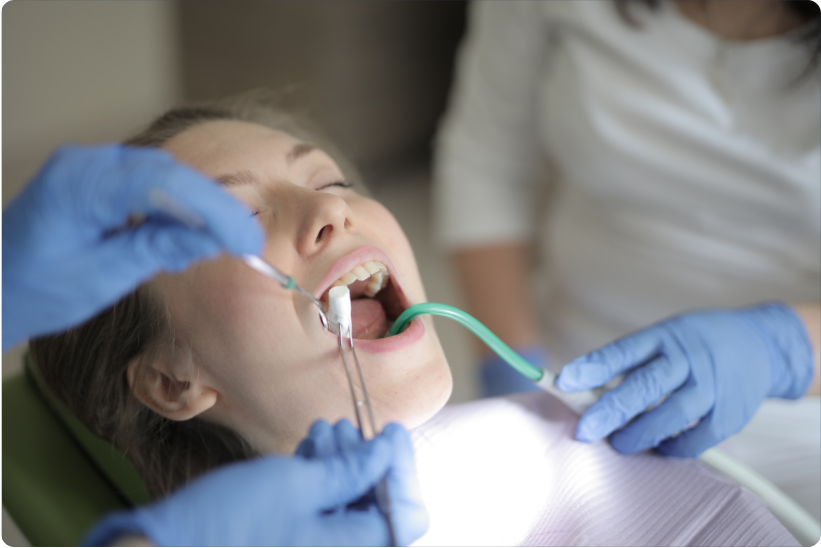
During the dental exam, we take a careful look at your lips, tongue, cheeks, gums, teeth, and saliva. We're checking for things like dryness, plaque buildup, cavities, irritation, bad breath, and gum disease.
We might use a small mirror, some light, and a dental tool to take a closer look. If needed, we can take digital X-rays to check for any hidden dental concerns.
Important things we'll look at might include:
- What's been going on with your symptoms and daily routine
- Checking your saliva flow and seeing if it's reduced
- Looking for tooth decay, cavities, and signs of gum disease
- Reviewing medications, health, and lifestyle habits
- Determining if a doctor or other health provider needs to be involved
Most appointments are straightforward and don't take too long. By the end of the visit, you should have a better idea of what's going on and what treatment options are available to help.
Treatment Options for Bad Breath
Dry mouth treatment in Chilliwack isn't a one-size-fits-all solution. The appropriate treatment plan will depend on the cause of your symptoms and whether you have any related dental problems.
Your personalized treatment plan might include:
- Medication Review: If certain medications are causing dry mouth, your doctor might be able to adjust the dose, timing, or type of medication. Don't make changes on your own—let your dentist and doctor work together if needed.
- Adding moisture: Drinking water regularly can help keep your mouth moist. Keep a water bottle nearby and take small sips during the day, during work, exercise, travel, and before bed.
- Stimulating saliva: Chewing sugar-free gum or using sugar-free candies might provide some relief. Chew sugar-free gum with xylitol if possible. It can encourage saliva production without feeding cavity-causing bacteria.
- Dry mouth products: Saliva substitutes, mouth sprays, gels, or rinses can help keep your mouth moist. Products made specifically for dry mouth might be especially helpful before bed or before long conversations.
- Choosing a mild mouthwash: If your mouth feels dry, it's advisable to avoid mouthwash with alcohol. It can make things worse for some people. Choose an alcohol-free mouthwash that supports oral hygiene and is suitable for dry tissue.
- Fluoride treatment: We might recommend fluoride treatment or products if you're at risk of cavities. Fluoride helps strengthen your teeth and protect them from the acids made by bacteria.
- Treating existing dental concerns:
If gum disease, tooth decay, or other dental problems are already present, we can treat those as part of your plan. It's about addressing the root cause and protecting your smile.
Why Choose Smile Castle Dental and Implant Studio for Dry Mouth Treatment in Chilliwack?
At Smile Castle Dental and Implant Studio, we know how frustrating and embarrassing dry mouth can be. Our team gives you calm, personalized care in a welcoming setting where you feel comfortable talking openly about your symptoms without being judged.
We use modern dental tools to check your teeth, gums, and mouth carefully, and our goal is to catch any concerns early and create a plan that feels clear, manageable, and right for your lifestyle.
Comfort matters to us. If dental anxiety is making appointments difficult, let us know. We can explain each step, move at a pace that feels comfortable, and discuss any comfort options that might help you feel more relaxed.
We also focus on prevention. Rather than just treating cavities or bad breath after they appear, we help you protect your overall oral health before bigger problems develop. Our services are built around your needs, whether that means keeping you on track with routine cleanings or helping you recover from a problem that has developed. We're always happy to discuss your insurance, scheduling, and the next steps for your care.
How to Prevent Dry Mouth
You can't always eliminate dry mouth altogether, it's often linked to medications or illnesses. However, there are several habits you can adopt that can make a significant difference in how often you deal with it.
Make drinking water a regular part of your day. When you reach for something to drink, try to avoid products that can contribute to dryness, like alcohol and caffeine. If you have coffee or tea, consider drinking some water beforehand.
When you can, try to breathe through your nose rather than your mouth. If you have a stuffy nose, allergies, or find yourself breathing through your mouth frequently, talk to your doctor about whether anything can be done to help improve airflow.
If you wake up with dry air every morning, consider running a humidifier in your bedroom. A bit more moisture in the air might make a significant difference in how you feel in the morning.
Getting into a good routine is important, too. Brush your teeth twice a day with fluoride toothpaste, floss daily, and make regular trips to the dentist a priority.
Some important tips for managing dry mouth include:
- Sipping water throughout the day and before you go to bed
- Chewing sugar-free gum or sucking on sugar-free candy when appropriate
- Giving up smoking and alcohol
- Keeping your caffeine intake in check and trying to cut back on sugary foods, too
- Using an alcohol-free mouthwash
- Maintaining good dental hygiene habits
- Asking your dentist about dry mouth medications or fluoride sprays that might help with dry mouth
- Catching cavities early by making regular trips to the dentist
A healthy mouth is easier to take care of when your saliva is working as it should. Even if you can't avoid dry mouth entirely, making a few simple changes to your routine can make a significant difference in how often you deal with it.
Frequently Asked Questions
Is dry mouth serious?
Dry mouth can become serious if it lasts a long time without treatment. Reduced saliva flow can lead to tooth decay, cavities, gum disease, bad breath, and discomfort. Early dry mouth treatment in Chilliwack can help lower these risks.
Can drinking water cure dry mouth?
Water can make your mouth feel better and help add moisture, but it may not treat the underlying cause. If a medicine, health condition, or saliva gland issue is involved, you may need additional treatment options.
What should I avoid if I have a dry mouth?
Avoid tobacco, smoking, alcohol, too much caffeine, and mouthwash with alcohol. These can make symptoms worse. You may also want to limit sticky sweets and acidic food, since dry mouth can make teeth more likely to develop cavities.
Does dry mouth cause bad breath?
Yes. Less saliva means bacteria and food particles can stay in the mouth longer. This can lead to bad breath, halitosis, or persistent bad breath. Brushing, flossing, water, and professional dental care can help.
Can my dentist treat dry mouth?
Yes. A dentist can check for dental damage, recommend products such as saliva substitutes or fluoride, and help you manage the symptoms. If another health issue is involved, we can recommend speaking with your doctor for further support.
Ready for Your Castle-Quality Smile?
Experience dental care that exceeds expectations. Book your consultation with Chilliwack's premier dental studio today.