


Crooked Teeth Treatment in Chilliwack
Crooked teeth can be difficult to clean around, affect the way your teeth fit together, and make you feel self-conscious about your smile. At Smile Castle Dental and Implant Studio in Chilliwack, our solution is to help you get the alignment just right, keep your teeth healthy, and make you feel comfortable with your smile once again.
Everybody is different, so we can't just give you a one-size-fits-all solution for crooked teeth. We take the time to get to know you, check your teeth and jaws, and discuss what you're looking for in a treatment. That's because we want to recommend something that fits your lifestyle, goals, age, and all the rest.
Our General Services
From routine checkups to specialized treatments, we provide complete dental care for your entire family.
Family Dentistry
Comprehensive care for patients of all ages, from children to seniors.
- First visit education
- Gentle approach for kids
- Senior-focused care
Dental Hygiene
Professional cleanings and preventive treatments to maintain oral health.
- Deep cleanings
- Gum disease prevention
- Oral health education
What Are Crooked Teeth?
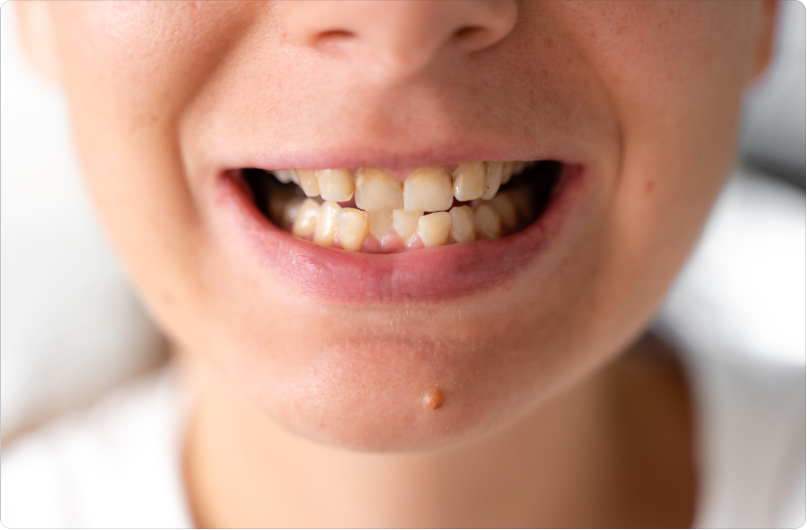
Crooked teeth are when your teeth aren't sitting properly in a straight line in your mouth. They might be leaning in a bit, twisted, overlapping, sitting too far forward, or growing in behind other teeth. Some people just have one tooth that looks a bit out of place, while others have a whole group of them crowded in.
Crooked teeth are actually common in kids, teens, and adults. But it's not just about looking good, although that's part of it. Crooked teeth can make it harder to keep your teeth clean, and that can lead to all sorts of problems.
What Causes Crooked Teeth?
Crooked teeth can happen for many reasons. Your genes can play a part. If you inherited a smaller jaw or bigger teeth, there might not be enough room for all your teeth to come in properly. This can lead to crowding, twisting, or teeth growing in unusual positions.
Kids can develop alignment issues when their baby teeth fall out and adult teeth come in, and if a baby tooth falls out too early or too late, that can affect the space they have for their permanent teeth. How your jaws grow can also play a part in the position of your teeth.
Some habits you had when you were a kid can also affect your teeth alignment. Long-term thumb sucking, using a pacifier for too long, or putting too much pressure on your teeth with your tongue can all change how your teeth and jaws develop.
Other factors can include injuries, missing teeth, gum disease, or teeth that just don't have enough room to grow in. Your dentist can help figure out what's going on and recommend a suitable treatment plan.
Common reasons for crooked teeth might include:
- Your family history and the shape or size of your jaws
- Crowding when there just isn't enough space for your adult teeth
- Losing a baby tooth too early or too late
- Thumb sucking or using a pacifier for too long
- Missing teeth or teeth that grow in incorrectly
- Uneven jaw growth, like an underbite or overbite
- Oral health problems that affect tooth support
Common Signs and Symptoms
Some crooked teeth are easy to notice when you look in the mirror, while others might be more subtle and only noticed by your dentist during a regular check-up. You might have teeth that overlap, turn sideways, sit forward, or just look a bit uneven next to the ones around them.
You might also notice that your bite doesn't feel quite right. For example, your upper and lower teeth might not meet evenly, or you might feel pressure in certain areas when eating. Open bites, underbites, or overbites can all affect how your teeth fit together.
Crooked teeth can make brushing and flossing difficult, and that can lead to all sorts of problems like tooth decay, gum irritation, and bad breath if you don't get the plaque off regularly.
Signs of crooked teeth might include:
- Teeth that overlap, twist, or just look crowded
- A smile that looks a bit uneven or has gaps in it
- Trouble brushing or flossing between your teeth
- Teeth that are wearing down unevenly
- Discomfort when biting, chewing, or eating
- A bite that just doesn't feel right or doesn't close evenly
- Feeling self-conscious about your smile
It's worth noting that mild alignment issues might stay the same for years, while more serious problems can get worse over time. As kids grow, their jaws and teeth change, and adults may see changes too as they get older.
What Are Dental Implants?
Dental implants are the gold standard for replacing missing teeth. Unlike dentures or bridges, implants replace both the root and crown of your tooth, providing a permanent solution that looks, feels, and functions like natural teeth.
At Smile Castle Dental And Implant Studio, our highly experienced team uses advanced 3D imaging and computer-guided surgery to ensure precise placement and optimal outcomes. We're proud to be the leading provider of dental implants in Chilliwack.
Whether you're missing one tooth or need full-arch restoration, we customize every treatment plan to your unique anatomy and aesthetic goals.
Precision
3D-guided placement
Natural Look
Indistinguishable from real teeth
Long-Lasting
Designed to last a lifetime
Comfort
No adhesives or removal
When to See a Dentist
It's a good idea to see a dentist if you notice you've got crooked teeth, crowding, changes to your bite, or just can't get between your teeth to clean them properly. The sooner you get in, the sooner you and your dentist can figure out what's going on and whether you need treatment now or can just keep an eye on it for the time being.
Parents need to get their kids in for regular dental visits so their teeth and jaws can grow properly. If we spot any early signs of jaw crowding, we might talk about whether we can help with some Phase One treatment to get things back on track. This type of care can help guide growth, give some teeth room to come in, or make adjustments to get things moving in the right direction.
Lots of adults straighten their teeth, too, even if they're not kids anymore. They might be dealing with crowded teeth, sudden changes in alignment, or just want a better smile. The truth is, it's never too late to ask about treatment options.
Make an appointment if you start to notice:
- Teeth shifting or becoming more crowded
- Pain or discomfort when chewing
- A jaw that clicks, feels tired, or does not close evenly
- Trouble brushing and flossing around crowded teeth
- A child’s adult teeth coming in behind or in front of baby teeth
- Broken brackets, loose wires, or damaged aligners
- A sudden change in your bite after an injury
The longer you wait, the harder it can get to fix certain issues. Crowding can get worse, and when your teeth are bunched up in some areas, they can be difficult to reach with your toothbrush and floss. That can lead to serious decay and gum problems over time. Getting in and getting treated early gives us more time to go through all your options and come up with a plan that works for you.
How We Diagnose and Assess It
Our orthodontic treatment in Chilliwack starts with a conversation. We want to know all about your dental history, what's been worrying you, and what you're hoping to achieve. We'll also ask if there's been any pain, if your teeth have been shifting, or if you're having a hard time eating.
Our dentist will look at how your teeth sit, how wide your dental arch is, your bite, and how your upper and lower jaws fit together. They'll be on the lookout for crowding, gaps, open bites, overbites, underbites, and any other issues that might be causing you trouble.
We might use digital X-rays, photos, and scans to help us see things that aren't visible in a regular exam. We use these tools to take a closer look at your tooth roots, jaw position, and the path of teeth that are still coming in.
The first visit can take anywhere from 30 minutes to an hour, depending on what you need. Then we'll go over all the findings in simple terms and see what options are available, whether that's orthodontics, Invisalign, regular braces, or something else.
During an assessment, we may review:
- Tooth alignment and spacing
- The way your upper and lower teeth meet
- Jaw growth and bite function
- Signs of wear, tooth decay, or gum concerns
- Whether you may need a retainer or additional dental care
- Your goals for a straighter and more aesthetic smile
Treatment Options for Crooked Teeth
Crooked teeth treatment in Chilliwack may include clear aligners, Invisalign treatment, traditional braces, or other orthodontic treatment. The right option depends on your teeth, bite, age, oral health, and the complexity of your case.
Treatment options may include:
- Clear aligner therapy: Clear, custom made aligners fit over your teeth and are worn for most of the day. You change them every few weeks as directed, allowing them to gradually shift teeth into a planned position.
- Clear aligners: These aligners are removable, making brushing and flossing easier. They are also discreet, which many teens and adults appreciate. They must be worn as instructed for treatment to stay on schedule.
- Invisalign treatment: Invisalign is a type of clear aligner therapy customized around your teeth and treatment goals. Invisalign Teen may include compliance indicators to help show whether the aligners are being worn regularly.
- Traditional braces: Braces use brackets and wires to move teeth gradually. Metal braces stay in place throughout treatment and can be suitable for crowded teeth, bite concerns, and more complex cases.
- Treatment for bite and jaw concerns: Braces may be recommended for significant crowding, open bites, an underbite, or other alignment concerns. Some people may need care that focuses on the jaws as well as the teeth.
- Phase one treatment for children: When children are still growing, phase one treatment may help guide jaw development or create room for teeth before a later phase of braces or aligners.
- Orthodontist referral: For more complex cases, we may discuss a referral to an orthodontist. They focus on tooth movement and the relationship between the teeth and jaws.
At-home care is important during any orthodontic treatment. Brush carefully around brackets, wires, and teeth, and floss every day. If you wear aligners, remove them when eating, clean them as directed, and put them back in promptly.
Treatment time varies. Some patients notice changes within a few weeks, while full treatment can take many months or longer. The cost can also vary based on the appliances used, the number of aligners needed, and your individual case.
After teeth are straightened, a retainer is usually worn to help hold them in their new position. Teeth can naturally shift over time, so wearing your retainer as instructed helps protect your new smile.
Why Choose Smile Castle Dental and Implant Studio for Crooked Teeth Treatment in Chilliwack?
At Smile Castle Dental and Implant Studio, we provide personalized crooked teeth treatment in Chilliwack for children, teens, and adults. We take the time to understand your smile, bite, oral health, and treatment goals before discussing your options.
Our approach includes:
- Personalized treatment based on your alignment and dental needs
- Digital tools to assess your teeth, bite, and overall alignment
- Treatment options that may include Invisalign or braces
- Clear information about treatment length, comfort, appearance, and cost
- Support for patients who feel nervous about dental appointments
- Ongoing dental care to help maintain your oral health during treatment
- A welcoming environment for new and existing patients
How to Prevent Your Teeth from Getting Crooked
It's not always easy to stop your teeth from getting crooked. A lot of it comes down to the way your teeth and jaw were growing when you were younger. But regular check-ups with the dentist can go a long way in helping you catch any problems early on.
Make sure your kids are coming in for check-ups regularly so we can keep an eye on how their teeth and jaws are developing. The earlier we catch any problems, the more options we've got for treatment.
Try to get your kids to stop sucking their thumbs or using a pacifier when they're old enough. If they find it hard to give up, let us know, and we can come up with some ideas to help them.
Keeping your teeth clean is also key, especially if you've got crowded teeth. Daily brushing with a soft toothbrush and fluoride toothpaste is the minimum you should be aiming for, especially if you've got trouble getting between your teeth. Don't forget the floss and interdental brushes.
Here are a few things you can do to help keep your teeth aligned and healthy:
- Get in the habit of brushing twice a day and flossing at least once a day.
- Make an effort to keep your appointments with the dentist. Regular check-ups and cleanings are vital.
- If you've ever had to wear a retainer after getting your braces off, keep using it as we told you to.
- Try not to get into habits like chewing on ice or crunching hard sweets. They can do a lot of damage.
- If you do happen to hurt your mouth, don't put it off. Get yourself to the dentist as soon as you can.
- Make sure you're looking after those aligners or braces. They need to be kept clean and worn for the right amount of time.
- And don't forget to come back and see us after treatment so we can make sure everything is still on track.
Frequently Asked Questions
Can crooked teeth be straightened as an adult?
Yes. Many adults choose orthodontic treatment to straighten crooked teeth, improve their bite, or feel more confident about their smile. Clear aligners and traditional braces may both be options, depending on your needs.
Are clear aligners better than metal braces?
Neither option is automatically better for every person. Clear aligners can be removable and discreet, while metal braces may be more suitable for certain bite concerns or more complex cases. A consultation can help determine which option may work for you.
How long does Invisalign treatment take?
Invisalign treatment time varies based on how much movement is needed and how often aligners are worn. Some cases take several months, while others take longer. Wearing aligners as directed helps keep treatment on schedule.
Does orthodontic treatment hurt?
You may feel mild pressure or discomfort when braces are adjusted or when you begin wearing a new set of aligners. This usually improves after a few days. Let the dental team know if discomfort is severe or does not go away.
Will I need to wear a retainer after treatment?
Most people need a retainer after braces or Invisalign treatment. A retainer helps hold teeth in their corrected position and reduces the chance of teeth shifting after treatment is complete.
Ready for Your Castle-Quality Smile?
Experience dental care that exceeds expectations. Book your consultation with Chilliwack's premier dental studio today.