

Top 10 Reasons People in Chilliwack Choose Dental Veneers


By Bhavesh Gabani • October 2, 2026

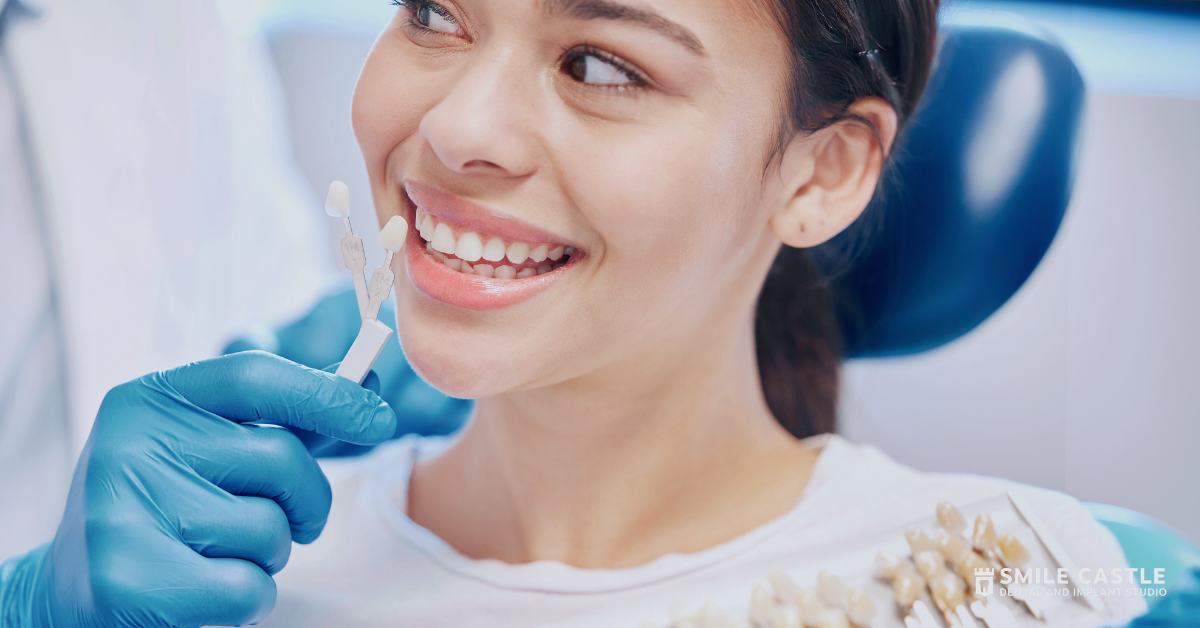
If you have a tooth that is noticeably stained, chipped, worn, or different in shape from the teeth around it, it can change how you feel about your smile. When several cosmetic concerns are present, those differences may become even more noticeable and lead you to explore options for improving the overall appearance of your teeth. Dental veneers in Chilliwack are one option for changing the visible colour, shape, size, or proportions of selected teeth. These thin coverings, typically made from porcelain or composite resin, are placed over the front surfaces of teeth to address specific cosmetic concerns. For people researching veneers in Chilliwack, understanding why patients choose them—and where their limitations lie—can make it easier to have an informed conversation with a dentist.

QUICK ANSWER

Why do people in Chilliwack choose dental veneers?

People in Chilliwack commonly choose veneers to improve the appearance of stained, chipped, worn, unevenly shaped, or mildly spaced teeth. Because veneers can change several aspects of a tooth's appearance at the same time, they can be customized to create a natural-looking result that complements the surrounding teeth and overall smile.


However, veneers are not appropriate for every person or every cosmetic concern. Whether they are suitable depends on factors such as tooth and gum health, available enamel, bite, existing tooth structure, and individual cosmetic goals. A dental examination can help determine whether veneers or another treatment would be the more appropriate option.

Why Consider Dental Veneers?

The reasons people consider veneers can vary considerably from one smile to another. Some patients are primarily concerned about tooth colour, while others want to improve chips, uneven edges, small gaps, or the proportions of particular teeth. Because veneers can change several visible characteristics at once, they may be considered when a patient has one specific cosmetic concern or a combination of concerns.


However, the reason for wanting veneers is only one part of determining whether they are appropriate. The condition of the teeth and gums, the amount of healthy enamel available, bite forces, and the desired result all need to be considered. With those factors in mind, the following are 10 common reasons people in Chilliwack may explore dental veneers.

1. To Improve Stubborn Tooth Discolouration

Teeth can become discoloured for different reasons, and not every type of discolouration responds to whitening in the same way. When whitening cannot sufficiently change the colour of a tooth, a veneer may provide another cosmetic option. Rather than bleaching the tooth, the veneer covers its visible front surface, and its shade can be selected with the surrounding teeth and overall smile in mind.


This does not mean veneers are necessary whenever someone wants whiter teeth. If ordinary staining is the only concern, teeth whitening may be a simpler and more conservative approach. Veneers become particularly relevant when colour is one of several characteristics a patient would like to change.

2. To Improve the Appearance of Chipped Teeth

A small chip can make a front tooth look noticeably different from the tooth beside it. Depending on the circumstances, a veneer can cover the affected front surface and recreate a smoother, more even appearance, making it one possible cosmetic option for minor visible damage.


However, the condition and remaining structure of the tooth matter. Veneers are primarily a cosmetic treatment and are not appropriate for every broken or damaged tooth; a tooth that has lost substantial structure, for example, may require a different type of restoration. An examination is therefore important so treatment addresses both the visible concern and the underlying condition of the tooth.

3. To Restore Worn or Uneven-Looking Tooth Edges

Front teeth can gradually develop uneven edges or appear shorter as they wear. In appropriate cases, veneers can alter their visible length and contours, helping create more balanced proportions and a more even appearance across the smile.


Before covering worn teeth, however, it is important to consider why the wear occurred. Teeth grinding and clenching can place considerable force on natural teeth and dental restorations, and these habits can damage veneers and may affect whether someone is a suitable candidate. Identifying and addressing the cause of tooth wear is therefore an important part of deciding whether veneers are a sensible cosmetic option.

4. To Close Certain Small Gaps Between Teeth

For some patients, a small space between front teeth is their main cosmetic concern. Veneers may be able to visually close certain small gaps by carefully changing the width and proportions of the teeth on either side, creating the appearance of more evenly spaced teeth.


It is important to understand that veneers accomplish this by changing the visible shape of teeth rather than physically moving them through the jaw. If spacing is more significant or related to crowding, tooth position, or a bite problem, orthodontic treatment may deserve consideration instead. Clear aligners are one option designed to gradually move teeth when orthodontic movement is needed.

5. To Improve Tooth Shape and Proportion

Sometimes the concern is not tooth colour or damage at all. One or more teeth may simply appear too small, irregularly shaped, asymmetrical, or out of proportion with neighbouring teeth. Veneers can change the visible width, length, shape, and contours of selected teeth, allowing treatment to focus on how individual teeth relate to one another rather than giving every tooth the same appearance.


This type of customization is important because achieving an attractive result does not necessarily mean making every tooth perfectly identical. Factors such as natural tooth colour, neighbouring teeth, tooth proportions, and facial features may all be considered when planning a natural-looking result.

6. To Address Several Cosmetic Concerns at the Same Time

One of the key reasons people consider veneers is their versatility. For example, a front tooth might be slightly chipped and discoloured while neighbouring teeth have uneven edges or small spaces between them. Rather than changing only colour or only shape, a veneer treatment plan may be able to address several of these visible characteristics together. Veneers can potentially alter colour, shape, proportions, minor spacing, chips, and uneven edges.


Their versatility has limits, however. Veneers are not a treatment for active tooth decay or gum disease, and they cannot replace orthodontic tooth movement when significant repositioning is required. A dental assessment is therefore necessary to determine which concerns can appropriately be addressed with veneers and whether other treatment should be considered first or instead.

7. To Achieve a Natural-Looking Smile

Choosing veneers does not necessarily mean choosing extremely white or perfectly identical teeth. For many patients, the objective is more subtle: improving the features that bother them while maintaining a smile that suits their face and still looks like their own. Colour is only one part of that process, as tooth size, shape, proportions, contours, and the relationship between veneered and neighbouring natural teeth can all influence the final appearance.


An individualized approach can take natural tooth colour, facial features, tooth proportions, and other characteristics into account rather than treating every smile in the same way. This allows the treatment plan to be tailored to the individual patient and their cosmetic goals.

8. To Choose Between Porcelain and Composite Veneers

Another reason veneers can suit different cosmetic goals is that more than one material is available, with porcelain and composite resin being two common options. Porcelain veneers generally offer greater stain resistance and longevity, while composite veneers may sometimes be completed in a single visit and can be more straightforward to repair.


Neither material is automatically the right choice for everyone. Factors such as appearance, tooth condition, maintenance, treatment requirements, budget, and personal priorities can all influence the decision. Understanding how porcelain and composite veneers differ can help patients discuss which material is better suited to their individual teeth and treatment goals.

9. To Have Treatment Customized to Their Smile

A veneer is not simply selected from a standard set and attached to a tooth. Individual planning matters because people have different teeth, bites, facial characteristics, concerns, and expectations. Before veneers are recommended, a dentist can examine the teeth and gums, assess the available enamel and tooth structure, discuss what the patient wants to change, and consider whether another treatment may be more appropriate.


If veneers are suitable, decisions can then be made about which teeth to treat and how their colour, size, shape, and proportions should be designed. Modern diagnostic and dental technologies may also support treatment planning based on a patient's oral health, cosmetic concerns, and intended outcome.

10. To Choose a Cosmetic Treatment Designed for Lasting Results

People may also choose veneers because they are intended to provide a longer-term cosmetic change. Porcelain is particularly valued for its durability and resistance to staining, although "long-lasting" should not be interpreted as "lasts forever." Veneers can eventually wear, chip, loosen, or require replacement, and their longevity varies depending on the material, the individual patient, and the forces placed on the teeth.


Daily care therefore remains important. Veneered teeth need to be brushed and cleaned between just like natural teeth, and regular dental care remains necessary. Habits such as biting ice or other hard objects can increase the risk of damage, while grinding and clenching may also need to be addressed. Veneers may change the appearance of the teeth, but they do not eliminate the need for ongoing oral hygiene and appropriate dental care.

Making an Informed Decision About Veneers in Chilliwack

People choose dental veneers for reasons ranging from stubborn discolouration and chipped or uneven teeth to small gaps and multiple cosmetic concerns occurring together. What matters is whether veneers are appropriate for the individual teeth and the result the patient hopes to achieve, making it important to understand the available materials, limitations, maintenance needs, and possible alternatives.


If you are researching veneers in Chilliwack, Smile Castle Dental and Implant Studio can assess your teeth and discuss your cosmetic goals, including whether porcelain veneers, composite veneers, or another approach may be appropriate for your smile. The practice's stated approach emphasizes personalized treatment planning and patient education so treatment decisions can be based on individual needs rather than a one-size-fits-all solution.

Ready to schedule your appointment?

Reach out to your trusted dentist in Chilliwack today. Now accepting new patients!


SHARE THIS

Latest Posts

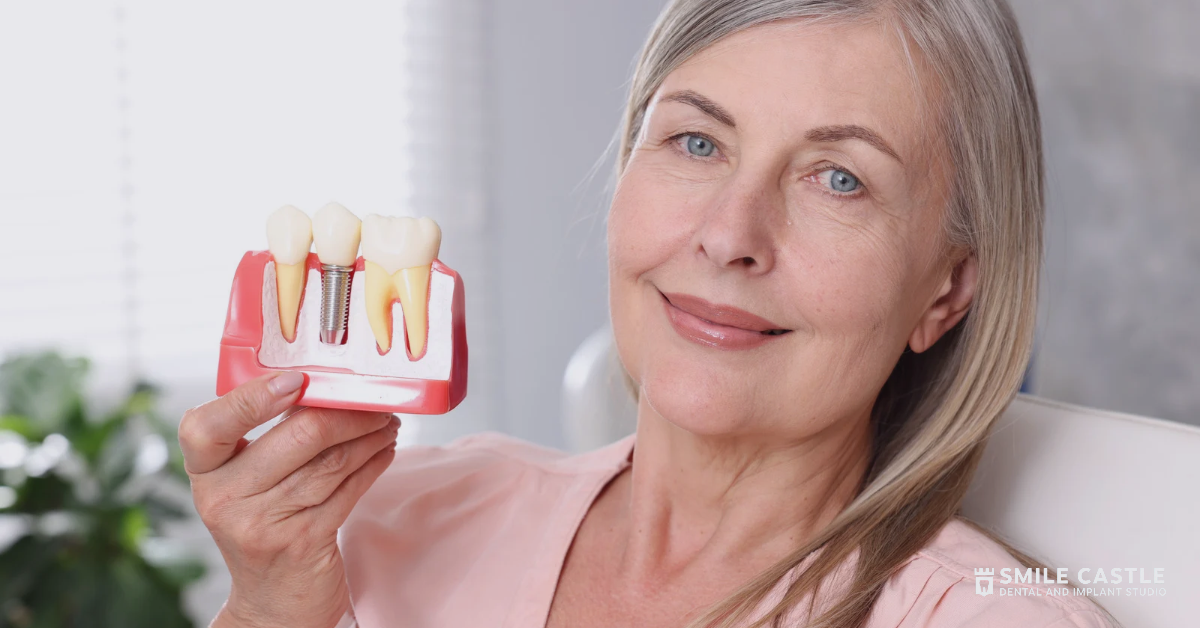
Woman holding a dental implant model and smiling in a bright clinic setting
By Bhavesh Gabani • October 16, 2026
Discover how dental implants in Chilliwack can support jawbone health, improve chewing, and protect neighbouring teeth for better long-term oral health.
Woman in a light blue top resting her hand on her cheek, listening thoughtfully in a clinic office.
By Bhavesh Gabani • October 9, 2026
Find same-day emergency dental care in Chilliwack. Learn which dental problems need urgent attention, where to go, and what to expect at your appointment
Woman and dentist talking in a bright dental clinic, seated beside a blue dental chair
By Bhavesh Gabani • September 25, 2026
Learn what to expect at your first dental visit in Chilliwack, from dental exams and X-rays to cleanings, results, and next steps.
Dentist wearing a mask and gloves talks with a patient in a dental chair at a clinic.
By Bhavesh Gabani • September 18, 2026
Learn what to expect during the dental implant process in Chilliwack, from consultation and implant placement to healing and final restoration.

Woman holding a cloth to her face while seated indoors, appearing unwell or fatigued.
By Bhavesh Gabani • September 11, 2026
Know the signs you need an emergency dentist in Chilliwack and when to seek prompt care for tooth pain, swelling, dental injuries, and more.

Smiling person with curly hair holding a small gray comb against a light background
By Bhavesh Gabani • September 4, 2026
Compare porcelain vs. composite veneers in Chilliwack, including appearance, durability, cost, treatment, and which option may be right for you.

Woman holding a glass of water and pressing her cheek, wincing in pain in a home setting
By Bhavesh Gabani • August 28, 2026
Discover 10 signs it may be time to schedule a dental checkup in Chilliwack, from tooth pain and sensitivity to bleeding gums and other oral changes.

Dental exam in a bright clinic, with a dentist holding a blue dental model while a seated patient smiles.
By Bhavesh Gabani • August 21, 2026
Learn how to choose the right dental implant dentist in Chilliwack, including key factors, questions to ask, costs, technology, and follow-up care.

Woman in white shirt touching her cheek, sitting on a couch in a bright living room.
By Bhavesh Gabani • August 14, 2026
Learn about the most common dental problems affecting Chilliwack adults, including cavities, gum disease, sensitivity, cracked teeth, and dry mouth.
Man grimacing and holding his cheek against tooth pain on a gray background
By Bhavesh Gabani • August 7, 2026
Know what to do before seeing an emergency dentist in Chilliwack. Learn first-aid steps, what to avoid, and when to seek urgent dental or medical care.
Show More