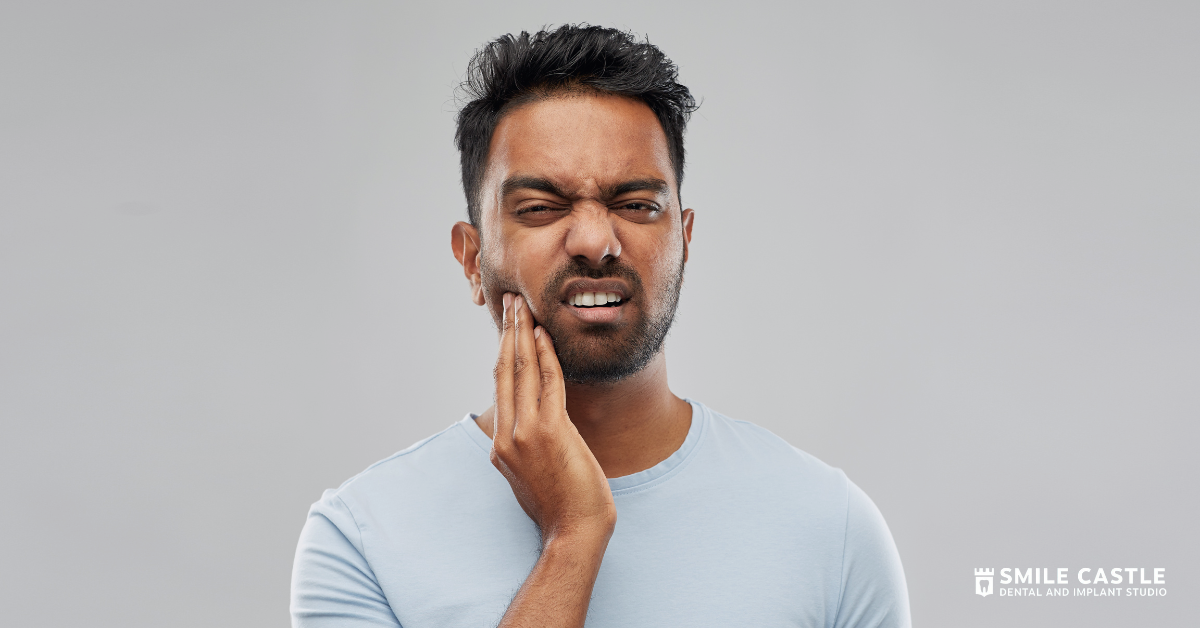


The Most Common Dental Problems Seen in Chilliwack Adults
By Bhavesh Gabani • August 14, 2026

Dental problems don’t always start with a severe toothache; they can begin with subtle changes such as sensitivity to cold, bleeding gums, or food getting stuck around the same tooth. For adults, years of chewing, existing fillings or crowns, gum recession, medications, and oral hygiene habits can all affect the teeth and gums over time. Understanding these common concerns is part of preventive
general dentistry in Chilliwack, so you can recognize what different symptoms mean and when it’s time to have a change evaluated by a dentist.
Quick Answer: Which Is Better: Dental Implants or Dentures in Chilliwack?
For many patients, dental implants may be the more durable long-term solution, as they can mimic natural tooth function and help preserve the jawbone. However, dentures are an excellent option for many patients, depending on their clinical needs, health, and personal preferences.
The right treatment depends on:
- Your oral health and overall health
- Bone volume and sufficient jawbone density
- Number of missing teeth
- Your budget and treatment goals
- Your dentist’s recommendation after a consultation
At Smile Castle Dental and Implant Studio, our team will evaluate your smile and recommend the treatment that’s best for you.
QUICK ANSWER
What Dental Problems Are Common in Adults?
Common dental problems in adults include tooth decay, gum disease, tooth sensitivity, cracked or worn teeth, problems with older fillings and crowns, dry mouth, and dental infections. Some cause noticeable discomfort, while others can develop with few early symptoms.
Regular dental exams can help identify changes before they become more complicated.
In this article:
- Tooth Decay Can Still Be a Problem in Adulthood
- Gum Disease and Periodontal Disease: Why Bleeding Gums Shouldn't Be Ignored
- Tooth Sensitivity: What's Behind That Sudden Zing?
- Cracked, Chipped, and Worn Teeth
- Fillings, Crowns, and Other Dental Work
- Dry Mouth Is More Than an Uncomfortable Feeling
- Toothaches and Dental Infections: When Pain Is a Warning
- What Do Your Dental Symptoms Mean?
- Why Catching Dental Problems Early Usually Gives You More Options
- Frequently Asked Questions About Common Adult Dental Problems in Chilliwack
- Pay Attention to Changes in Your Mouth
- Preserve Bone: Unlike removable dentures, implants stimulate the jawbone during chewing. This helps reduce bone loss, maintain bone volume, and preserve your facial structure over time.
- Restore Natural Function: Dental implants allow patients to chew, bite, and speak with confidence. Because they are securely fixed into the bone, they function like natural teeth.
- Protect Adjacent Teeth: Unlike some dental bridges, implants do not require reshaping adjacent teeth, helping preserve healthy tooth structure.
- Long-Term Solution: With proper home care and regular professional maintenance, dental implants may function for decades. Longevity varies based on individual health, oral hygiene, and other factors.
- Natural Appearance: Each implant restoration is custom-designed to match the colour, size, and shape of your existing teeth, creating a seamless and natural look.
If multiple teeth are missing, several implants may be used to support implant-supported bridges or other restorations. This allows your dentist to restore function while maintaining your bite, facial appearance, and oral health.
Full-Arch Tooth Replacement
Tooth Decay Can Still Be a Problem in Adulthood
Cavities are often associated with kids, but tooth decay can happen at any age. Decay develops when bacteria in plaque interact with sugars and produce acids that affect the tooth surface. Over time, repeated acid exposure can cause minerals to be lost from the tooth and eventually a cavity to form.
Adults have some additional concerns. Decay can develop around the edges of an existing filling, for example. Gum recession can also expose the roots of teeth. Because root surfaces are not protected by the same type of enamel that covers the crowns of teeth, these areas can be more prone to decay.
The Canadian Dental Association says adults can experience recurrent decay around existing fillings and root cavities.
Possible signs of tooth decay include:
- Sensitivity to cold, heat, or sweets
- Toothache
- Visible hole or dark area on a tooth
- Food getting stuck in the same place
- Pain or discomfort when chewing
But early decay may not have symptoms you can detect yourself. That’s why a tooth that feels fine can still need attention.
- Preserve Bone: Unlike removable dentures, implants stimulate the jawbone during chewing. This helps reduce bone loss, maintain bone volume, and preserve your facial structure over time.
- Restore Natural Function: Dental implants allow patients to chew, bite, and speak with confidence. Because they are securely fixed into the bone, they function like natural teeth.
- Protect Adjacent Teeth: Unlike some dental bridges, implants do not require reshaping adjacent teeth, helping preserve healthy tooth structure.
- Long-Term Solution: With proper home care and regular professional maintenance, dental implants may function for decades. Longevity varies based on individual health, oral hygiene, and other factors.
- Natural Appearance: Each implant restoration is custom-designed to match the colour, size, and shape of your existing teeth, creating a seamless and natural look.
If multiple teeth are missing, several implants may be used to support implant-supported bridges or other restorations. This allows your dentist to restore function while maintaining your bite, facial appearance, and oral health.
Full-Arch Tooth Replacement
Brush Gently
Soft foods reduce pressure on the implant while providing the nutrients your body needs during recovery. Examples include:
- Yogurt
- Mashed potatoes
- Scrambled eggs
- Cottage cheese
- Oatmeal
- Smooth soups
- Applesauce
- Soft pasta
As you heal, your dentist will let you know when you can start eating firmer foods.
Drinking plenty of water supports your overall health and helps keep your mouth comfortable during recovery.
Gum Disease and Periodontal Disease: Why Bleeding Gums Shouldn't Be Ignored
Have you ever seen a little pink or red in the sink after brushing or flossing? It’s easy to ignore bleeding gums, especially if they don’t hurt. But repeated bleeding can mean gum inflammation.
Gum disease starts when plaque-related bacterial infections build up around the teeth and gumline. When plaque is not removed properly, it can harden into tartar or calculus. The early stage of periodontal disease is called gingivitis, which affects the gingival tissues. Regular brushing and flossing are essential to prevent gum disease. Without proper care, gingivitis can progress to periodontitis and, if left untreated, can lead to tooth loss.
Signs to watch out for:
- Gums that bleed during brushing or flossing
- Red, puffy, or tender gums
- Bad breath
- Gum recession
- Deep pockets around the teeth
- Changes in how the teeth fit together
- Loose teeth in advanced cases
Did You Know?
You can have gum disease even when your gums don’t hurt. The absence of pain doesn’t mean your gums are healthy. That’s why persistent bleeding or other changes should be discussed during a dental examination rather than waiting for discomfort to appear.
- Preserve Bone: Unlike removable dentures, implants stimulate the jawbone during chewing. This helps reduce bone loss, maintain bone volume, and preserve your facial structure over time.
- Restore Natural Function: Dental implants allow patients to chew, bite, and speak with confidence. Because they are securely fixed into the bone, they function like natural teeth.
- Protect Adjacent Teeth: Unlike some dental bridges, implants do not require reshaping adjacent teeth, helping preserve healthy tooth structure.
- Long-Term Solution: With proper home care and regular professional maintenance, dental implants may function for decades. Longevity varies based on individual health, oral hygiene, and other factors.
- Natural Appearance: Each implant restoration is custom-designed to match the colour, size, and shape of your existing teeth, creating a seamless and natural look.
If multiple teeth are missing, several implants may be used to support implant-supported bridges or other restorations. This allows your dentist to restore function while maintaining your bite, facial appearance, and oral health.
Full-Arch Tooth Replacement
| Feature | Porcelain Veneers | Composite Veneers |
|---|---|---|
| Appearance | Highly natural with excellent translucency | Natural-looking but slightly less lifelike |
| Durability | Generally more durable | Typically less durable |
| Treatment Time | Usually requires multiple visits | Often completed in one visit using layers of composite material hardened with a special light |
| Stain Resistance | Highly resistant to staining | More susceptible to staining over time |
| Repairability | Usually replaced if damaged | Often easier to repair, but may be damaged more easily |
| Typical Lifespan | Often 10–15 years or longer with proper care | Often needs replacement after five to eight years with proper maintenance |
Tooth Sensitivity: What's Behind That Sudden Zing?
A sip of ice water shouldn’t make you wince. Yet tooth sensitivity is a common experience for many adults. Sensitivity can happen when dentin—the layer underneath tooth enamel—becomes exposed or otherwise affected. Gum recession, enamel wear, tooth decay, cracks, and other dental problems can all cause sensitivity.
The important thing is that sensitivity is a symptom, not a diagnosis. Occasional mild sensitivity may not mean a serious problem. But sensitivity that’s new, getting stronger, lingers after the hot or cold stimulus is gone, or affects one particular tooth deserves attention.
Rather than assuming sensitive-tooth toothpaste is the answer, it can be helpful to determine why the tooth has become sensitive in the first place.
- Preserve Bone: Unlike removable dentures, implants stimulate the jawbone during chewing. This helps reduce bone loss, maintain bone volume, and preserve your facial structure over time.
- Restore Natural Function: Dental implants allow patients to chew, bite, and speak with confidence. Because they are securely fixed into the bone, they function like natural teeth.
- Protect Adjacent Teeth: Unlike some dental bridges, implants do not require reshaping adjacent teeth, helping preserve healthy tooth structure.
- Long-Term Solution: With proper home care and regular professional maintenance, dental implants may function for decades. Longevity varies based on individual health, oral hygiene, and other factors.
- Natural Appearance: Each implant restoration is custom-designed to match the colour, size, and shape of your existing teeth, creating a seamless and natural look.
If multiple teeth are missing, several implants may be used to support implant-supported bridges or other restorations. This allows your dentist to restore function while maintaining your bite, facial appearance, and oral health.
Full-Arch Tooth Replacement
Limitations
Cracked, Chipped, and Worn Teeth
Teeth are very strong, but they experience a lot of force throughout a lifetime. Grinding or clenching related to chronic stress, biting hard foods or objects, accidental injuries, and normal long-term wear can cause chips and cracks. Teeth with large fillings may also have less natural tooth structure than untouched teeth. Sometimes the damage is obvious. You may see a piece missing or feel a sharp edge with your tongue. In other cases, a crack can be hard to see.
Potential warning signs include:
- Pain when biting down or releasing your bite
- New sensitivity to temperature
- A rough or sharp tooth edge
- A visible chip or fracture
- Discomfort when chewing certain foods
Not every small chip requires the same response as a painful cracked tooth. What matters is where the damage is, how extensive it is, if symptoms are present, and how much healthy tooth structure remains. Those factors require an individual dental assessment rather than a one-size-fits-all answer, especially since stress can reduce the body’s ability to recover and can also accelerate gum disease progression significantly.
- Preserve Bone: Unlike removable dentures, implants stimulate the jawbone during chewing. This helps reduce bone loss, maintain bone volume, and preserve your facial structure over time.
- Restore Natural Function: Dental implants allow patients to chew, bite, and speak with confidence. Because they are securely fixed into the bone, they function like natural teeth.
- Protect Adjacent Teeth: Unlike some dental bridges, implants do not require reshaping adjacent teeth, helping preserve healthy tooth structure.
- Long-Term Solution: With proper home care and regular professional maintenance, dental implants may function for decades. Longevity varies based on individual health, oral hygiene, and other factors.
- Natural Appearance: Each implant restoration is custom-designed to match the colour, size, and shape of your existing teeth, creating a seamless and natural look.
If multiple teeth are missing, several implants may be used to support implant-supported bridges or other restorations. This allows your dentist to restore function while maintaining your bite, facial appearance, and oral health.
Full-Arch Tooth Replacement
| Timeline | What to Do |
|---|---|
| Day of surgery | Rest, manage bleeding, and use ice packs. |
| First 24 hours | Protect the surgical site and follow aftercare instructions. |
| Days 2-7 | Continue gentle oral hygiene and eat soft foods. |
| Week 2 | Swelling and discomfort continue to improve. |
| Week 3-8 | Ongoing bone healing and routine follow up visits. |
| Long-term | Maintain excellent oral hygiene and regular dental checkups. |
Fillings, Crowns, and Other Dental Work
A filling or crown can restore and protect a damaged tooth, but having dental work done doesn’t mean the tooth should be ignored forever. Dental restorations experience the same daily chewing forces as your natural teeth. Over time, a filling can wear, chip, or become damaged. A crown can also develop problems, and decay can sometimes form around the margins of an existing restoration.
You may notice:
- New sensitivity around a restored tooth
- A rough or sharp edge
- Food getting stuck around the tooth
- A filling that feels loose or different
- Discomfort when biting or chewing
Age alone doesn’t mean a restoration needs to be replaced. A dentist can evaluate its condition, the surrounding tooth structure, your symptoms, and other clinical findings before recommending what—if anything—needs to be done.
- Preserve Bone: Unlike removable dentures, implants stimulate the jawbone during chewing. This helps reduce bone loss, maintain bone volume, and preserve your facial structure over time.
- Restore Natural Function: Dental implants allow patients to chew, bite, and speak with confidence. Because they are securely fixed into the bone, they function like natural teeth.
- Protect Adjacent Teeth: Unlike some dental bridges, implants do not require reshaping adjacent teeth, helping preserve healthy tooth structure.
- Long-Term Solution: With proper home care and regular professional maintenance, dental implants may function for decades. Longevity varies based on individual health, oral hygiene, and other factors.
- Natural Appearance: Each implant restoration is custom-designed to match the colour, size, and shape of your existing teeth, creating a seamless and natural look.
If multiple teeth are missing, several implants may be used to support implant-supported bridges or other restorations. This allows your dentist to restore function while maintaining your bite, facial appearance, and oral health.
Full-Arch Tooth Replacement
Dry Mouth Is More Than an Uncomfortable Feeling
Dry mouth can seem like a minor annoyance, but saliva does a lot more than keep your mouth comfortable. Saliva helps clean the mouth, supports chewing and swallowing, protects oral tissues, and helps maintain an environment that protects teeth from acid challenges. When salivary flow is reduced, the risk of certain oral health problems can increase.
The
American Dental Association says reduced salivary flow can contribute to tooth decay, demineralization, tooth sensitivity, and oral infections. Medications are among the potential causes of dry mouth, along with several medical conditions and treatments. If your mouth feels dry or sticky more often than usual, tell your dentist. Drinking more water may give you temporary relief, but understanding why the dryness is happening is important for long-term tooth protection.
- Preserve Bone: Unlike removable dentures, implants stimulate the jawbone during chewing. This helps reduce bone loss, maintain bone volume, and preserve your facial structure over time.
- Restore Natural Function: Dental implants allow patients to chew, bite, and speak with confidence. Because they are securely fixed into the bone, they function like natural teeth.
- Protect Adjacent Teeth: Unlike some dental bridges, implants do not require reshaping adjacent teeth, helping preserve healthy tooth structure.
- Long-Term Solution: With proper home care and regular professional maintenance, dental implants may function for decades. Longevity varies based on individual health, oral hygiene, and other factors.
- Natural Appearance: Each implant restoration is custom-designed to match the colour, size, and shape of your existing teeth, creating a seamless and natural look.
If multiple teeth are missing, several implants may be used to support implant-supported bridges or other restorations. This allows your dentist to restore function while maintaining your bite, facial appearance, and oral health.
Full-Arch Tooth Replacement
Toothaches and Dental Infections: When Pain Is a Warning
A toothache tells you something is wrong, but it doesn’t tell you what the problem is. Decay, a cracked tooth, inflammation inside the tooth, a damaged restoration, or an infection can cause pain. Dental infections occur when bacteria reach the pulp inside the tooth, where the nerves and blood vessels are.
Symptoms that should not be ignored include:
- Persistent or throbbing tooth pain
- Pain when biting
- Swelling around a tooth or the gums
- Significant temperature sensitivity
- An unpleasant taste or drainage
- Symptoms getting worse
Pain medication may make a toothache more tolerable, but it doesn’t necessarily fix the underlying problem. Severe facial swelling, rapidly increasing swelling, or symptoms affecting breathing or swallowing require immediate medical attention.
- Preserve Bone: Unlike removable dentures, implants stimulate the jawbone during chewing. This helps reduce bone loss, maintain bone volume, and preserve your facial structure over time.
- Restore Natural Function: Dental implants allow patients to chew, bite, and speak with confidence. Because they are securely fixed into the bone, they function like natural teeth.
- Protect Adjacent Teeth: Unlike some dental bridges, implants do not require reshaping adjacent teeth, helping preserve healthy tooth structure.
- Long-Term Solution: With proper home care and regular professional maintenance, dental implants may function for decades. Longevity varies based on individual health, oral hygiene, and other factors.
- Natural Appearance: Each implant restoration is custom-designed to match the colour, size, and shape of your existing teeth, creating a seamless and natural look.
If multiple teeth are missing, several implants may be used to support implant-supported bridges or other restorations. This allows your dentist to restore function while maintaining your bite, facial appearance, and oral health.
Full-Arch Tooth Replacement
What Do Your Dental Symptoms Mean?
Many dental conditions produce overlapping symptoms. The table below can help you understand some possibilities, but it can’t diagnose the cause.
| What You Notice | Possible Dental Concern | When to Mention It |
|---|---|---|
| Bleeding gums | Gingivitis or gum disease | When it happens repeatedly or persists |
| Cold sensitivity | Gum recession, exposed dentin, decay, enamel wear, or a crack | When frequent, worsening, or affecting one tooth |
| Pain when biting | Crack, decay, damaged restoration, or infection | Arrange a dental assessment |
| Food repeatedly trapping around one tooth | Decay, a restoration problem, or spacing/contact changes | When it repeatedly occurs |
| Persistent bad breath | Gum problems, dry mouth, or another oral health concern | When normal oral hygiene doesn't resolve it |
| Dry or sticky mouth | Reduced saliva or dry mouth | When persistent |
| Toothache or swelling | Decay, inflammation, injury, or infection | Seek timely dental care |
These possibilities overlap considerably. A dental examination is needed to determine what is actually causing a symptom.
- Preserve Bone: Unlike removable dentures, implants stimulate the jawbone during chewing. This helps reduce bone loss, maintain bone volume, and preserve your facial structure over time.
- Restore Natural Function: Dental implants allow patients to chew, bite, and speak with confidence. Because they are securely fixed into the bone, they function like natural teeth.
- Protect Adjacent Teeth: Unlike some dental bridges, implants do not require reshaping adjacent teeth, helping preserve healthy tooth structure.
- Long-Term Solution: With proper home care and regular professional maintenance, dental implants may function for decades. Longevity varies based on individual health, oral hygiene, and other factors.
- Natural Appearance: Each implant restoration is custom-designed to match the colour, size, and shape of your existing teeth, creating a seamless and natural look.
If multiple teeth are missing, several implants may be used to support implant-supported bridges or other restorations. This allows your dentist to restore function while maintaining your bite, facial appearance, and oral health.
Full-Arch Tooth Replacement
Why Catching Dental Problems Early Usually Gives You More Options
Catching dental problems early gives you more options because oral health affects more than just your teeth and can impact your overall health. A small cavity can deepen and affect more of the tooth, gum inflammation can progress and damage the tissues supporting the teeth, and a minor crack or worn filling can worsen over time. Gum disease has also been linked to heart disease and can increase that risk by nearly two times. There is a two-way relationship between gum disease and diabetes, so each can make the other harder to control. When these issues are caught sooner, a dentist can assess the cause and determine if they need treatment or can just be monitored. Preventive care plays a big role in dental health. Poor oral health can also worsen respiratory infections.
Regular general dentistry in Chilliwack can identify these changes, sometimes before they become painful, allowing patients to make informed decisions about their oral health while the problem may still be easier to manage.
Frequently Asked Questions About Common Adult Dental Problems in Chilliwack
What is the most common dental problem in adults?
Tooth decay and gum disease are both common issues, although an individual’s risks depend on many factors. Gum disease is one of the most common dental problems affecting adults. Oral hygiene, diet, dry mouth, gum recession, tobacco use, existing dental work, and individual health factors can influence which problems a person is more likely to experience, and it increases the risk of gum disease in seniors.
Can I have a cavity without having a toothache?
Yes, a cavity may not cause noticeable pain during its earlier stages. Symptoms can become more apparent as decay progresses, which is one reason dental examinations are important even when your teeth feel normal.
Is it normal for my gums to bleed when I floss?
Gums that bleed during brushing or flossing can reflect inflammation in the gingival tissues and should not be considered a minor flossing issue or normal. The Canadian Dental Association includes gums that bleed during brushing or flossing among signs to watch for with gum disease.
When should tooth sensitivity concern me?
Consider having sensitivity evaluated when it persists, becomes more intense, affects a particular tooth consistently, or occurs with pain when biting. Because sensitivity can have many causes, identifying the underlying reason is more useful than treating every sensitive tooth the same way.
How often should adults have a dental check-up?
There is no one-size-fits-all recall schedule for adults because timing should support preventive care and preventive dental care, not just recall frequency. Daily habits like brushing twice and flossing also support good oral health between visits. How often you should have a dental examination depends on your current oral health, history of cavities or gum disease, existing restorations, risk factors, and individual needs. Your dental team can recommend a schedule based on those factors and may suggest regular dental visits with professional cleanings or regular professional cleanings as part of preventive care. These dental appointments are especially important during stressful times when oral health can be neglected.
Pay Attention to Changes in Your Mouth
Tooth decay, gum disease, sensitivity, cracked or worn teeth, aging restorations, dry mouth, and dental infections don’t always start with pain, which is why it’s important to watch for changes in your mouth. Recurring bleeding, persistent sensitivity, pain when chewing, swelling, a damaged tooth, or food getting stuck in the same area can mean something needs a closer look. Through preventive and patient-centred
general dentistry in Chilliwack, Smile Castle Dental and Implant Studio can help adults understand these changes and make informed decisions about their teeth and gums.
Ready to schedule your appointment?
Reach out to your trusted dentist in Chilliwack today. Now accepting new patients!
SHARE THIS
Latest Posts