

10 Signs You Should Schedule a Dental Checkup in Chilliwack


By Bhavesh Gabani August 28, 2026

It’s easy to put off a dental visit when nothing feels broken. A little sensitivity may seem harmless, bleeding gums might be blamed on brushing too hard, and a minor toothache can be tempting to ignore if it comes and goes. But dental problems don’t always start with severe pain, and changes in your teeth, gums, breath, jaw, or existing dental work can sometimes signal an issue that deserves a closer look. Knowing what to look for can help you make a more informed decision about your oral health, so here are 10 reasons to book a dental checkup in Chilliwack.

QUICK ANSWER

When Should You Schedule a Dental Checkup in Chilliwack?

Book a dental checkup in Chilliwack if you have persistent tooth pain, bleeding or swollen gums, increasing sensitivity, bad breath, a damaged or loose tooth, jaw discomfort, changes inside your mouth, or problems with existing dental work. It’s also worth booking an exam if it’s been a long time since your last dental visit.

In this article:

  1. 10 Signs You Should Schedule a Dental Checkup in Chilliwack
  2. Which Dental Symptoms Can Wait—and Which Need Faster Attention?
  3. Frequently Asked Questions About Dental Checkup in Chilliwack
  4. Don't Wait for Pain to Pay Attention to Your Oral Health

10 Signs You Should Schedule a Dental Checkup in Chilliwack

1. You Have a Toothache That Isn't Going Away

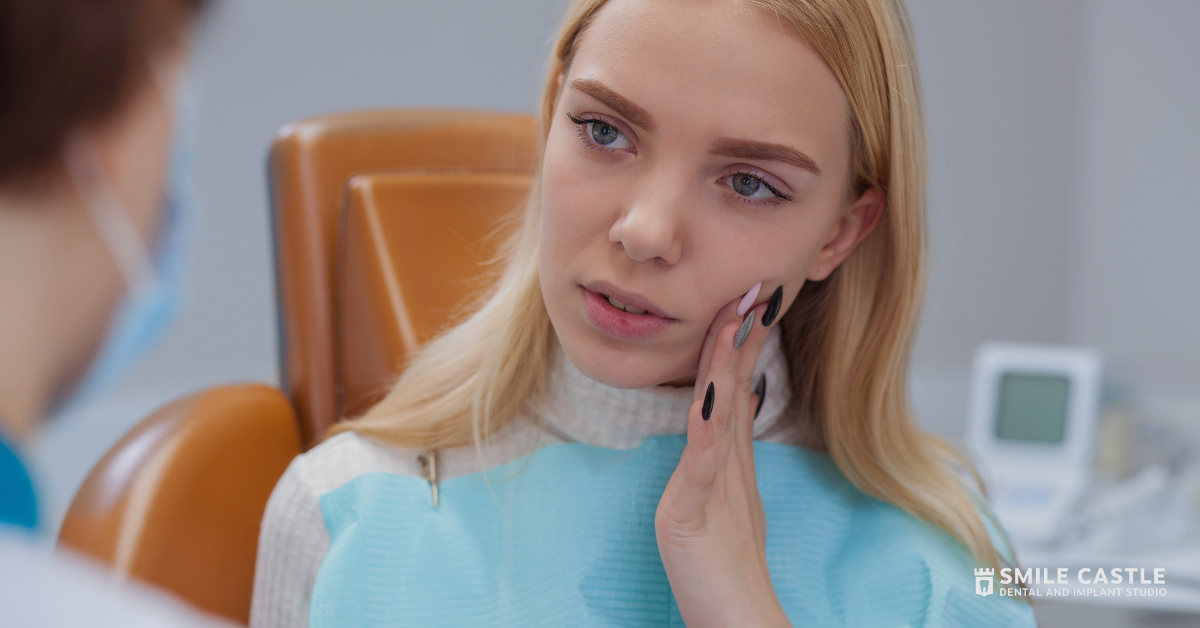
A toothache is one of the clearest signs that something needs attention, but the pain doesn’t have to be severe to justify a dental visit. You might notice a dull ache that keeps coming back, sharp pain when you bite down, or discomfort that seems to come from one particular tooth. Tooth pain can have many causes, including decay, a damaged tooth, irritation, or infection.


Even if the discomfort goes away temporarily, that doesn’t mean the underlying issue has been resolved. Because different dental problems can produce similar symptoms, an exam is the best way to determine what’s causing the pain. If a mild toothache persists or keeps coming back, consider having it assessed rather than waiting for it to get worse.

2. Your Gums Bleed Regularly

Seeing a little blood after flossing for the first time in a while may not seem like a big deal. But gums that bleed every time you brush or floss deserve more attention, especially if they’re also red, swollen, or tender. Bad breath may sometimes come with these gum changes.


Bleeding regularly is associated with gum inflammation and shouldn’t become something you consider normal. If you notice blood every time you brush or floss, consider having a dental checkup to determine what’s irritating your gums and whether changes to your oral hygiene routine or additional dental care are needed.

3. Your Teeth Have Become More Sensitive

Does a sip of cold water suddenly hurt one of your teeth? Perhaps hot coffee, ice cream, sweets, or even cold air makes one of your teeth sensitive when you didn’t notice sensitivity before. Tooth sensitivity can have many causes, including enamel wear, exposed tooth roots, cavities, gum recession, cracks, and other dental problems.


What matters is whether the sensitivity is new, persistent, or getting worse. Rather than using sensitivity toothpaste indefinitely without knowing the cause, consider having the area examined. A dentist can look for changes in the tooth and surrounding tissues that may be causing the sensitivity. Digital X-rays may also be used to check for hidden decay or bone loss by revealing issues a visual exam can’t see, while X-rays help support a more complete diagnosis.

4. You Have Persistent Bad Breath or an Unpleasant Taste

Everyone has bad breath sometimes. Certain foods, waking up in the morning, or going several hours without eating or drinking can temporarily affect your breath. Bad breath that persists is different, especially when brushing, flossing, cleaning your tongue, and drinking water don’t seem to resolve it.


Plaque and tartar buildup, gum problems, cavities, dry mouth, and other oral health issues can sometimes cause bad breath or an unpleasant taste. Mouthwash may temporarily mask the problem but can’t find the source. If bad breath has become a concern, consider having a dental checkup to investigate if an oral health issue may be the cause.

5. You Notice a Chipped, Cracked, Loose, or Damaged Tooth

Not every damaged tooth hurts immediately. You may see a small chip in the mirror, feel a rough edge with your tongue, or experience discomfort when you bite down. Even minor damage can be hard to evaluate at home because a crack or fracture may extend further into the tooth than you can see.


A loose permanent tooth also deserves attention, as adult teeth shouldn’t become loose without a reason. Mobility can be associated with trauma, gum and bone problems, or other dental issues. If you notice a change in the shape, stability, or strength of a tooth, having it examined can tell you how much damage has occurred and if treatment is needed. In some cases, missing or severely damaged teeth can be replaced with dental implants.

6. Your Gums Are Swollen, Tender, or Receding

Bleeding is not the only gum change worth watching. Your gums may feel sore when you brush, be swollen around certain teeth, or become sensitive. You may also notice that one or more teeth look longer than they used to because the gumline has moved, potentially exposing areas of the tooth that are normally covered.


Persistent swelling, tenderness, or changes in the gumline are good reasons to book a dental checkup in Chilliwack. Instead of assuming the problem is just because you brush too hard, a dentist can assess the condition of your gums and identify what may be causing the changes.

7. A Filling, Crown, Bridge, Denture, or Implant Doesn't Feel Right

Dental work can last for many years but still needs to be monitored. Pay attention if a filling, crown, bridge, denture, or dental implant suddenly feels different. A crown may feel loose, your bite may feel unusual, food may get stuck around a restoration, or a filling may develop a rough or sharp edge.


New pain or tenderness around previous dental work is also worth mentioning to your dentist. Dental examinations provide an opportunity to assess existing restorations and identify changes that may not be visible at home. If something that once felt comfortable suddenly feels different, schedule an appointment to have it checked out.

8. You Notice a Sore, Lump, or Unusual Patch in Your Mouth

Your teeth are only one part of your oral health, so pay attention to your lips, cheeks, gums, tongue, and other tissues inside your mouth. An occasional mouth sore may heal on its own, but a sore that doesn’t heal normally, an unexplained lump, a persistent red or white patch, numbness, or another unusual change should be checked out.


These symptoms can have different causes and don’t automatically mean a serious condition. However, persistent changes should not be self-diagnosed or ignored. A dental examination looks beyond the teeth, allowing your dentist to identify unusual areas and determine if further evaluation is needed.

9. Your Jaw Hurts or You Think You Grind Your Teeth

Jaw discomfort can be easy to overlook, especially when it’s most noticeable after waking up. You may experience jaw tenderness or stiffness, headaches, tired facial muscles, discomfort when chewing, or changes in how your jaw moves. Clenching or grinding your teeth—also known as bruxism—can cause these symptoms and gradually affect your teeth.


Signs of grinding may include worn biting surfaces, small chips, sensitivity, or other evidence of excessive pressure. Because jaw discomfort can have different causes, tell your dentist when the symptoms occur and what seems to trigger them. A dental examination can assess your teeth, bite, jaw, and signs of wear to determine if a dental factor is involved.

10. It Has Been a Long Time Since Your Last Dental Exam

You don’t need to have a toothache before seeing a dentist. Some oral health concerns can develop without producing obvious symptoms in the early stages, and regular examinations allow your dentist to monitor your teeth, gums, oral tissues, bite, and previous dental work. If you can’t remember your last exam or have put off visits for a long time, it may be worth scheduling one, even if your mouth feels fine.


There is no one-size-fits-all checkup schedule. The Canadian Dental Association advises that the frequency of dental exams should reflect each person’s oral health needs, with an appropriate interval determined by individual circumstances. Your recommended schedule may therefore depend on your dental history, current oral health, and risk of developing future problems.

Which Dental Symptoms Can Wait—and Which Need Faster Dental Emergency Attention?

Not all dental concerns are the same, so mild sensitivity and severe facial swelling, for example, may require different levels of attention. The table below is a general guide to help you decide what to do next based on what you are experiencing, but it is not meant to diagnose a condition or replace advice from a dental professional.

What You Notice What to Consider General Next Step
Mild sensitivity that keeps returning Sensitivity can have several possible dental causes Mention it at a dental checkup
Regularly bleeding, red, or swollen gums Persistent changes may indicate gum inflammation or another oral health issue Schedule a dental assessment
Persistent or worsening toothache Ongoing pain suggests that the source should be investigated Arrange a dental visit promptly
Chipped or cracked tooth Damage may be more extensive than it appears Have the tooth assessed
Loose permanent tooth Mobility in an adult tooth is not a normal change Contact a dentist promptly
Significant swelling or severe dental pain These symptoms can require more immediate assessment Seek prompt dental care
Persistent sore, lump, red or white patch, or other unexplained oral change Persistent tissue changes warrant professional evaluation Arrange an examination

Symptoms can change quickly, so pay attention to their severity and progression. If you are unsure about the urgency of a dental problem, contacting a dental office and describing your symptoms can help you decide what to do next. When choosing where to go, patient feedback can help you evaluate a dental clinic’s quality and atmosphere, and checking a dentist’s credentials and community reputation can also be useful.

Frequently Asked Questions About Dental Checkup in Chilliwack

1. How often should I get a dental checkup in Chilliwack?

There is no one-size-fits-all schedule. How often you need a dental exam depends on your current oral health, dental history, home-care habits, and individual risk factors. Your dentist can assess these factors and recommend an exam schedule for you.

2. Should I schedule a dental checkup even if my teeth don't hurt?

Yes. The absence of pain doesn’t mean there are no oral health concerns. Some cavities, gum problems, damaged dental work, and other changes can develop before you feel significant discomfort. Regular dental exams allow these areas to be monitored over time.

3. Are bleeding gums a reason to see a dentist?

Gums that bleed regularly are worth talking to your dentist, especially if you also notice redness, swelling, tenderness, gum recession, or persistent bad breath. Bleeding can occur with gum inflammation and other oral health concerns, so it’s not normal.

4. Is tooth sensitivity always a sign of a cavity?

No. Cavities are one possible cause of tooth sensitivity but not the only one. Enamel wear, exposed roots, gum recession, cracks, and other factors may also cause sensitivity. If sensitivity is new, persistent, worsening, or limited to a particular tooth, a dental exam can help determine the cause.

5. When should dental pain be considered urgent?

Severe or rapidly worsening pain, significant swelling, dental trauma, a loose permanent tooth, or symptoms that suggest an infection should be seen promptly. Some dental situations are a dental emergency and require urgent care rather than waiting for a routine appointment. If you are unsure how serious your symptoms are, contact a dental professional for advice. Regular checkups can prevent problems that cost 5–20 times more to treat.

1. How often should I get a dental checkup in Chilliwack?

Don't Wait for Pain to Pay Attention to Your Oral Health

Pain is an important warning sign, but it’s not the only reason to have your oral health checked. Bleeding gums, new sensitivity, persistent bad breath, damaged dental work, jaw discomfort, or unexplained changes in your mouth can all be reasons to talk to a dentist, while regular exams may also identify concerns before they become symptoms. If something about your teeth, gums, or mouth has changed and is not going back to normal, consider having it assessed rather than waiting for significant discomfort. For patients looking for a dental checkup in Chilliwack, Smile Castle Dental and Implant Studio provides personalized care with an emphasis on prevention, patient education, clear communication, and comfort.

Ready to schedule your appointment?

Reach out to your trusted dentist in Chilliwack today. Now accepting new patients!


SHARE THIS

Latest Posts

Dental exam in a bright clinic, with a dentist holding a blue dental model while a seated patient smiles.
By Bhavesh Gabani August 21, 2026
Learn how to choose the right dental implant dentist in Chilliwack, including key factors, questions to ask, costs, technology, and follow-up care.

Woman in white shirt touching her cheek, sitting on a couch in a bright living room.
By Bhavesh Gabani August 14, 2026
Learn about the most common dental problems affecting Chilliwack adults, including cavities, gum disease, sensitivity, cracked teeth, and dry mouth.
Man grimacing and holding his cheek against tooth pain on a gray background
By Bhavesh Gabani August 7, 2026
Know what to do before seeing an emergency dentist in Chilliwack. Learn first-aid steps, what to avoid, and when to seek urgent dental or medical care.
Dentist showing dental veneers to a smiling patient in a dental clinic
By Bhavesh Gabani July 31, 2026
Considering dental veneers in Chilliwack? Learn about veneer types, benefits, lifespan, candidacy, and what to expect before treatment.
Woman flossing teeth while looking in a mirror in a bright bathroom.
By Bhavesh Gabani July 24, 2026
Learn how to care for dental implants after surgery in Chilliwack with our aftercare tips, recovery timelines, foods to eat, and healing advice.
Dental hygienist showing a dental implant model to a seated patient in a clinic
By Bhavesh Gabani July 17, 2026
Learn how All-on-4 dental implants in Chilliwack replace a full arch of missing teeth with a stable, natural-looking alternative to traditional dentures.
By Bhavesh Gabani July 10, 2026
Living with missing teeth can affect more than your smile. It can make eating difficult, change the way you speak, impact your confidence, and even contribute to changes in your oral health over time. Fortunately, dental implants are widely recognized as a durable, evidence-based option for replacing missing teeth and have high long-term success rates in properly selected patients. Many people wonder if they’re a candidate for dental implants in Chilliwack. Some think they’re too old, have too much bone loss, or have been missing teeth for too long. In reality, candidacy depends on several factors—your oral health, overall health, the condition of your jawbone, and your ability to heal—not just your age. At Smile Castle Dental and Implant Studio, your dentist will perform a comprehensive consultation, review your medical and dental history, and use modern diagnostic imaging to determine if dental implants in Chilliwack are the right solution for your smile. Here’s what you should know before booking an appointment.
By Bhavesh Gabani July 4, 2026
If you have missing teeth, choosing the right tooth replacement option can be overwhelming. Many patients ask whether dental implants vs. dentures in Chilliwack are the better long-term solution for replacing their smile, bite, and oral health. At Smile Castle Dental and Implant Studio, our experienced dental professionals help patients in Chilliwack, BC, understand their treatment options. Whether you have one missing tooth, several missing natural teeth, or need to replace an entire upper or lower arch, we’ll help determine the treatment that’s right for you.  This guide compares dental implants, implant-supported dentures, traditional dentures, and even dental bridges so you can make an informed decision during your consultation.
Dental implant beside a natural tooth illustrating tooth replacement in Chilliwack.
By Bhavesh Gabani June 26, 2026
Learn what affects dental implant cost in Chilliwack, what's included in treatment, financing options, and how to choose the right solution for your smile.
Dental implant placement on a tooth model, showing missing tooth replacement in Chilliwack.
By Bhavesh Gabani June 12, 2026
Learn how dental implants in Chilliwack can replace a missing tooth, protect oral health, and restore your smile. Schedule a consultation today.