



10 Signs You Need an Emergency Dentist in Chilliwack Right Away


By Bhavesh Gabani September 11, 2026

Dental problems don’t always happen at convenient times. You might wake up with a toothache, chip a tooth while eating, or experience a dental injury during sports. The hard part is deciding if the problem can wait for a regular appointment or needs immediate attention.


Knowing the signs of a dental emergency can help you make a better decision and not delay care unnecessarily.

QUICK ANSWER

What are the signs that you need an emergency dentist in Chilliwack right away?

You should call an emergency dentist in Chilliwack right away if you have severe or worsening tooth pain, significant facial or gum swelling, a knocked-out permanent tooth, a badly cracked or broken tooth, uncontrolled bleeding, signs of a dental infection, or a loose adult tooth after an injury.


Some dental emergencies are more time-sensitive than others. If you’re not sure how urgent your symptoms are, call a dental office, tell them what happened, and ask how soon you should be seen.

What Counts as a Dental Emergency?

A dental emergency is a problem that needs to be assessed quickly because of severe pain, trauma, bleeding, swelling, infection, or risk of further damage. Not every uncomfortable dental problem is an emergency. A small chip with no pain, for example, is less urgent than a tooth that’s been knocked out completely.


Symptoms can have different causes, so don’t self-diagnose. A dentist can examine the area and, when necessary, use dental imaging to see what’s going on beneath the surface.


Here are 10 situations that should prompt you to seek timely advice.

1. You Have Severe or Worsening Tooth Pain

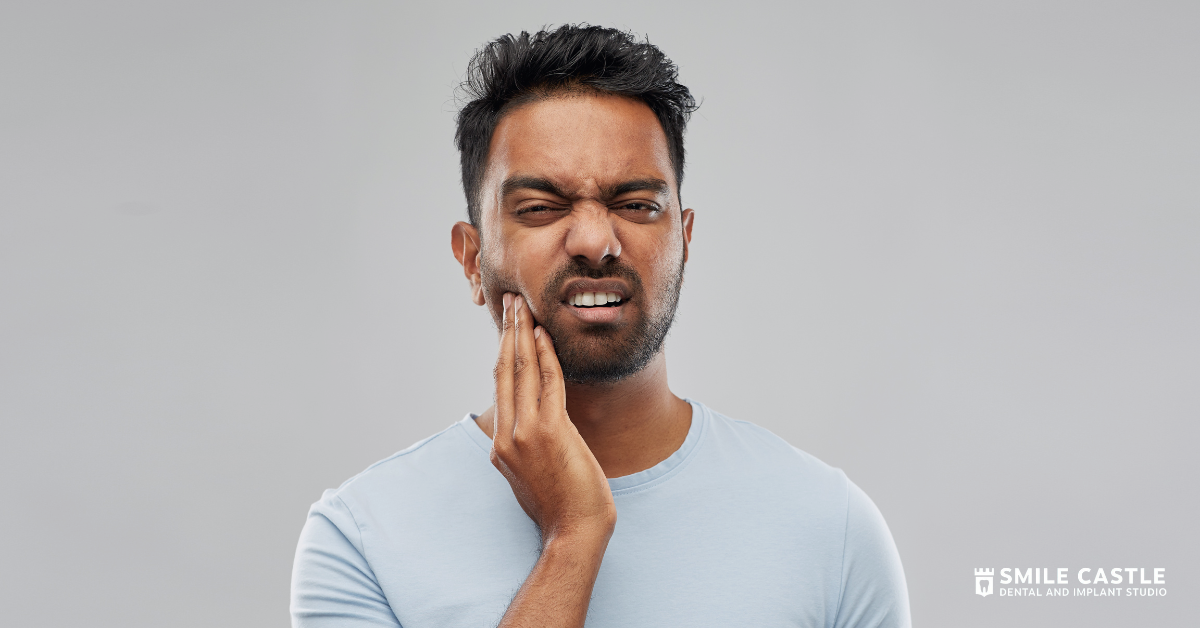
An occasional moment of sensitivity is different from severe tooth pain that doesn’t go away. Pain that’s persistent, throbbing, worsening, interfering with sleep, or making normal activities difficult deserves immediate attention. It can be caused by deep decay, inflammation, infection, a damaged tooth, or problems with the tissues around a tooth.


Pain is your body’s warning signal. Instead of masking significant dental pain and hoping it goes away, call a dentist to get an assessment.

2. Your Face, Jaw, or Gums Are Swollen

New or increasing swelling around a tooth, gums, cheek, or jaw should not be ignored. Swelling can sometimes be associated with inflammation or infection and can occur with tooth pain, tenderness, bad taste in the mouth, or difficulty chewing.


Call an emergency dentist right away if you develop significant dental swelling. If swelling is affecting your breathing or swallowing, call 911 or go to the emergency room rather than waiting for a dental appointment.

3. A Permanent Tooth Has Been Knocked Out

A knocked-out permanent tooth is time-sensitive. If possible, pick up the tooth by the crown – the white part you normally see – rather than the root. Don’t scrub it. Call a dentist right away and follow their instructions for how to transport the tooth to the clinic.


HealthLink BC’s guidance on knocked-out teeth advises seeking immediate dental care for a knocked-out permanent tooth and provides guidance on how to handle and transport it. Do not attempt to reinsert a knocked-out baby tooth unless a dental professional tells you to do so.

4. You Have a Badly Cracked or Broken Tooth With Pain

Teeth can fracture from falls, sports injuries, biting something hard, or existing weakness in the tooth. A small painless chip may not require emergency treatment, while a deeper fracture with significant pain, sensitivity, bleeding, or visible damage may need more prompt attention.


A timely assessment allows a dentist to determine how badly the tooth is damaged and if the inner tissues are involved. Until you see a dentist, avoid chewing on the affected side.

4. You Have a Badly Cracked or Broken Tooth With Pain

Teeth can fracture from falls, sports injuries, biting something hard, or existing weakness in the tooth. A small painless chip may not require emergency treatment, while a deeper fracture with significant pain, sensitivity, bleeding, or visible damage may need more prompt attention.


A timely assessment allows a dentist to determine how badly the tooth is damaged and if the inner tissues are involved. Until you see a dentist, avoid chewing on the affected side.

5. Bleeding in Your Mouth Will Not Stop

Minor gum bleeding after flossing is not the same as persistent bleeding after an injury, dental trauma, or another sudden event. If bleeding continues despite gentle, steady pressure with clean gauze, call a dental professional for advice.


Significant or uncontrolled bleeding may require more immediate attention. For severe bleeding or an injury involving more than the teeth and gums, call 911 or go to the emergency room.

6. You Notice Possible Signs of a Dental Abscess or Infection

A dental abscess is a pocket of pus associated with an infection. Symptoms can vary, so don’t try to diagnose yourself. Warning signs that need prompt dental attention can include severe toothache, gum or facial swelling, tenderness, bad taste, drainage near a tooth, or a pimple-like bump on the gums.


Dental infections require professional evaluation. Even if the discomfort goes away temporarily, that doesn’t mean the underlying problem has resolved. Depending on the cause, treatment such as a root canal may be recommended.

7. An Adult Tooth Is Loose or Has Moved After an Injury

Permanent adult teeth should not suddenly become loose. If a blow to the mouth causes a tooth to loosen, shift, or feel different when you bite, call a dentist right away. Trauma can affect the tooth as well as the surrounding tissues, even if there’s no visible damage.


Don’t move the tooth with your tongue or fingers while waiting to be examined. Keeping pressure off the area can also help prevent further irritation before your appointment.

8. You Lost a Filling or Crown and Have Significant Pain

A lost filling or crown is not an emergency, but the symptoms surrounding it matter. Prompt attention may be needed if the exposed tooth becomes very painful or sensitive, has sharp edges that are cutting your mouth, or makes eating difficult.


Keep the area clean and avoid chewing hard or sticky foods on that side. If a crown has come off, keep it in a safe place and bring it to your appointment. Do not use household glue to put it back in place.

9. You Have Severe Pain When Biting or Chewing

Pain when you bite down should not be ignored, especially if it starts suddenly or gets worse. Several dental problems can cause pain under pressure, including cracks, decay, inflammation, infection, or problems with an existing restoration.


Because the cause is not always visible, a dental exam may be needed to determine what’s causing the discomfort. Avoid chewing on the painful side until you can get it assessed.

10. Dental Pain or Swelling Is Accompanied by Fever or Feeling Unwell

Dental symptoms with fever, increasing swelling, or feeling unwell can be more concerning than just toothache. Call a dental professional and describe all your symptoms rather than just the tooth. Call 911 or go to the emergency room if you develop serious symptoms such as difficulty breathing or swallowing or rapidly progressing swelling.

Dental Emergency Quick-Reference Guide

Severity depends on the situation, but this table can help you decide what to do next.

Situation General Level of Urgency Next Step
Knocked-out permanent tooth Very time-sensitive Contact a dentist immediately
Significant facial or gum swelling Urgent Seek prompt dental assessment
Severe, persistent toothache Urgent Contact an emergency dentist
Badly cracked tooth with pain Urgent Arrange prompt assessment
Persistent bleeding after trauma Urgent Seek professional advice promptly
Loose adult tooth after an injury Urgent Contact a dentist promptly
Lost filling with little or no discomfort May be less urgent Arrange a dental appointment
Small painless tooth chip Often less urgent Contact your dentist for advice

This table is a guide, not a diagnosis. If symptoms are severe, getting worse, or unusual for you, seek professional advice.

What Should You Do While Waiting to See an Emergency Dentist?

Call the dental office and describe exactly what happened, when it happened, and what symptoms you have. The dental team will tell you how soon you need to be seen and give you situation-specific instructions.


While waiting, you can gently rinse your mouth with warm water and use a cold compress on the outside of the face if there is swelling after an injury. Do not place aspirin against a painful tooth or gum.


For a knocked-out permanent tooth, time matters. HealthLink BC recommends handling the tooth by the crown, not the root, preserving it properly, and getting seen immediately. If you’re not sure if a dental problem is an emergency, call a dental office rather than trying to diagnose yourself.

Frequently Asked Questions

1. What is considered a dental emergency in Chilliwack?

Dental emergencies are usually significant pain, infection, swelling, bleeding, trauma, or damage that requires prompt professional attention. Examples include a knocked-out permanent tooth, severe toothache, painful fracture, or significant swelling. A dentist can determine the urgency based on your symptoms.

2. Should I go to a dentist or a hospital for severe tooth pain?

Most problems confined to the teeth and gums are best seen by a dentist because dental offices are equipped to diagnose and treat dental conditions. However, symptoms such as difficulty breathing or swallowing, serious facial trauma, severe uncontrolled bleeding, or rapidly worsening swelling may require emergency medical care.

3. How quickly should I see a dentist for a knocked-out tooth?

A knocked-out permanent tooth is time-sensitive. Call a dentist now rather than waiting for a regular appointment. Proper handling and prompt care may make a difference in whether the tooth can be reimplanted.

4. Is a broken tooth always a dental emergency?

Not necessarily. A small chip with no pain can wait for a regular appointment. A badly cracked tooth with pain, bleeding, sensitivity, or trauma is more urgent. Calling a dentist will help you determine the timing.

5. Can an emergency dentist treat a dental infection?

A dentist can assess symptoms that may indicate an infection and determine treatment based on the exam and diagnosis. Depending on the cause and severity, treatment may involve the affected tooth and managing the source of the infection. Increasing swelling, severe pain, fever, or feeling unwell should get professional advice sooner rather than later.

Know When to Seek Emergency Dental Care in Chilliwack

Severe toothache, swelling, persistent bleeding, signs of infection, or dental trauma should not be ignored. If you have these warning signs, call an emergency dentist in Chilliwack, and we can advise you on how soon you need to be seen. Smile Castle Dental and Implant Studio can assess your dental concern and recommend what to do next.

Ready to schedule your appointment?

Reach out to your trusted dentist in Chilliwack today. Now accepting new patients!


SHARE THIS

Latest Posts

Smiling person with curly hair holding a small gray comb against a light background
By Bhavesh Gabani September 4, 2026
Compare porcelain vs. composite veneers in Chilliwack, including appearance, durability, cost, treatment, and which option may be right for you.

Woman holding a glass of water and pressing her cheek, wincing in pain in a home setting
By Bhavesh Gabani August 28, 2026
Discover 10 signs it may be time to schedule a dental checkup in Chilliwack, from tooth pain and sensitivity to bleeding gums and other oral changes.
Dental exam in a bright clinic, with a dentist holding a blue dental model while a seated patient smiles.
By Bhavesh Gabani August 21, 2026
Learn how to choose the right dental implant dentist in Chilliwack, including key factors, questions to ask, costs, technology, and follow-up care.

Woman in white shirt touching her cheek, sitting on a couch in a bright living room.
By Bhavesh Gabani August 14, 2026
Learn about the most common dental problems affecting Chilliwack adults, including cavities, gum disease, sensitivity, cracked teeth, and dry mouth.
Man grimacing and holding his cheek against tooth pain on a gray background
By Bhavesh Gabani August 7, 2026
Know what to do before seeing an emergency dentist in Chilliwack. Learn first-aid steps, what to avoid, and when to seek urgent dental or medical care.
Dentist showing dental veneers to a smiling patient in a dental clinic
By Bhavesh Gabani July 31, 2026
Considering dental veneers in Chilliwack? Learn about veneer types, benefits, lifespan, candidacy, and what to expect before treatment.

Woman flossing teeth while looking in a mirror in a bright bathroom.
By Bhavesh Gabani July 24, 2026
Learn how to care for dental implants after surgery in Chilliwack with our aftercare tips, recovery timelines, foods to eat, and healing advice.
Dental hygienist showing a dental implant model to a seated patient in a clinic
By Bhavesh Gabani July 17, 2026
Learn how All-on-4 dental implants in Chilliwack replace a full arch of missing teeth with a stable, natural-looking alternative to traditional dentures.
By Bhavesh Gabani July 10, 2026
Living with missing teeth can affect more than your smile. It can make eating difficult, change the way you speak, impact your confidence, and even contribute to changes in your oral health over time. Fortunately, dental implants are widely recognized as a durable, evidence-based option for replacing missing teeth and have high long-term success rates in properly selected patients. Many people wonder if they’re a candidate for dental implants in Chilliwack. Some think they’re too old, have too much bone loss, or have been missing teeth for too long. In reality, candidacy depends on several factors—your oral health, overall health, the condition of your jawbone, and your ability to heal—not just your age. At Smile Castle Dental and Implant Studio, your dentist will perform a comprehensive consultation, review your medical and dental history, and use modern diagnostic imaging to determine if dental implants in Chilliwack are the right solution for your smile. Here’s what you should know before booking an appointment.
By Bhavesh Gabani July 4, 2026
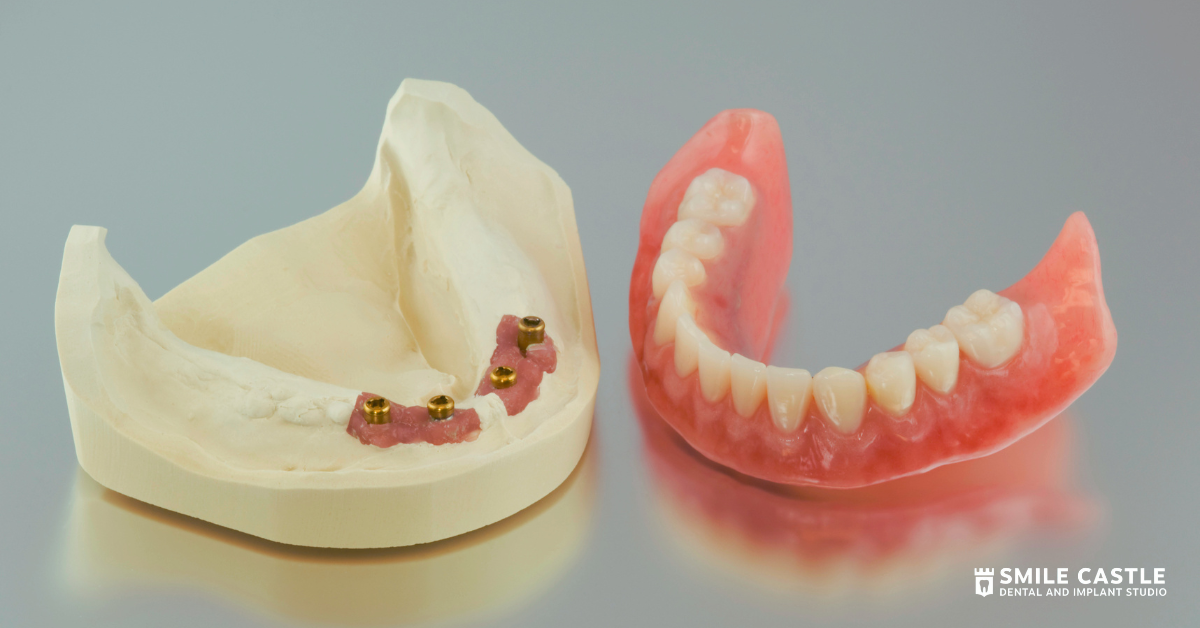
If you have missing teeth, choosing the right tooth replacement option can be overwhelming. Many patients ask whether dental implants vs. dentures in Chilliwack are the better long-term solution for replacing their smile, bite, and oral health. At Smile Castle Dental and Implant Studio, our experienced dental professionals help patients in Chilliwack, BC, understand their treatment options. Whether you have one missing tooth, several missing natural teeth, or need to replace an entire upper or lower arch, we’ll help determine the treatment that’s right for you.  This guide compares dental implants, implant-supported dentures, traditional dentures, and even dental bridges so you can make an informed decision during your consultation.
Show More