

Dental Implants in Chilliwack: What Patients Should Know Before Replacing a Missing Tooth


By Bhavesh Gabani June 12, 2026

Losing one tooth may not seem like a big deal at first, especially if the gap is hidden from view. But even one missing tooth can affect your oral health, the look of your smile, and how your teeth fit together. Whether you lost a tooth due to injury, decay, gum disease, or an emergency situation, replacing it as soon as possible can prevent future dental problems. Many patients are surprised to learn that a missing tooth can cause adjacent teeth to shift, bone loss in the jawbone, and changes in how you chew.


If you are interested in dental implants in Chilliwack, understanding your options is the first step to restoring your smile and protecting your long-term oral health.

Quick Answer: Are Dental Implants in Chilliwack the Best Way to Replace Missing Teeth?

Losing one tooth may not seem like a big deal at first, especially if the gap is hidden from view. But even one missing tooth can affect your oral health, the look of your smile, and how your teeth fit together. Whether you lost a tooth due to injury, decay, gum disease, or an emergency situation, replacing it as soon as possible can prevent future dental problems. Many patients are surprised to learn that a missing tooth can cause adjacent teeth to shift, bone loss in the jawbone, and changes in how you chew.


If you are interested in dental implants in Chilliwack, understanding your options is the first step to restoring your smile and protecting your long-term oral health.

What Happens to Your Oral Health When You Lose One Tooth?


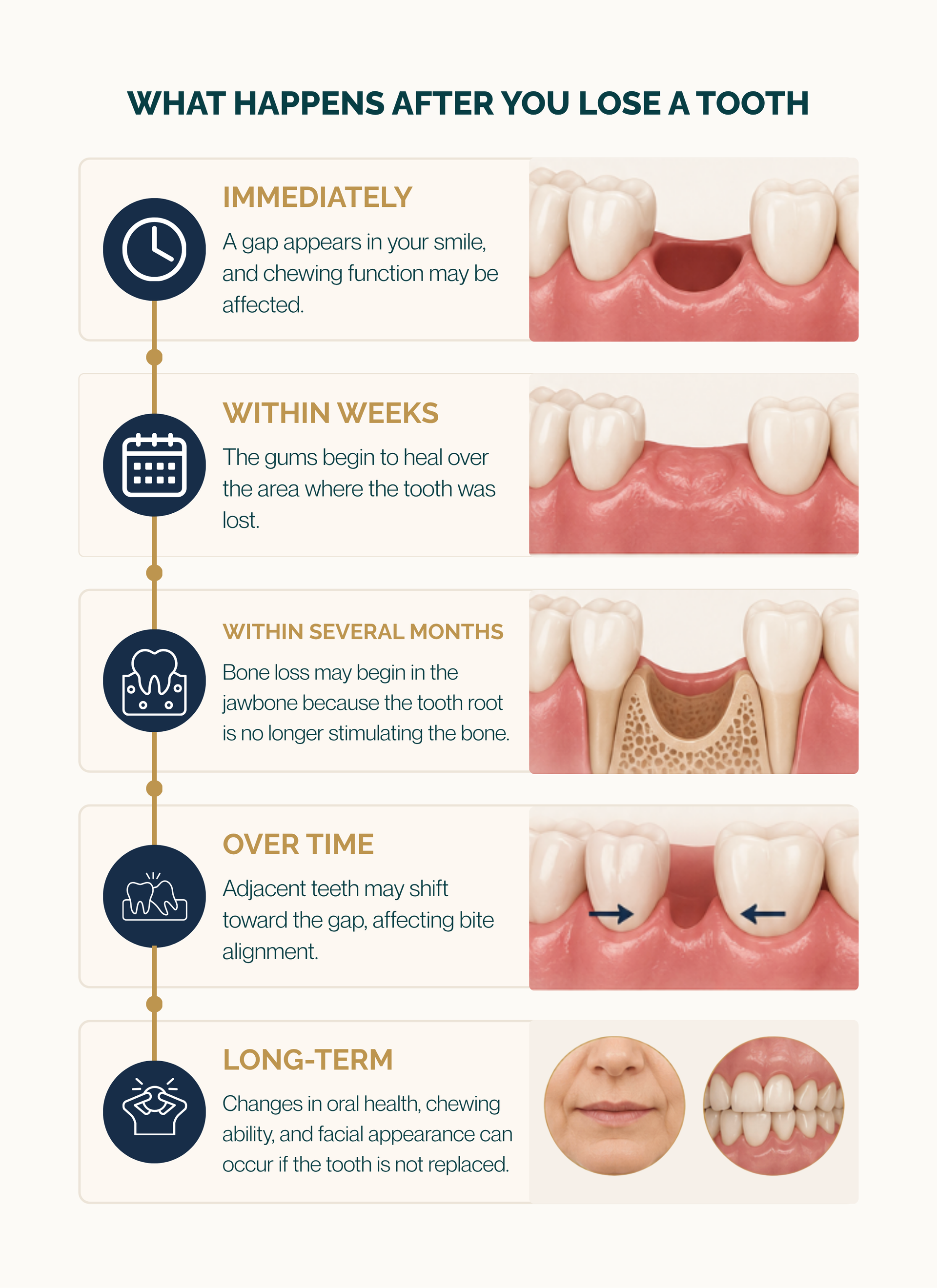
Many people assume losing one tooth is just a cosmetic issue. In reality, the effects of tooth loss go way beyond that. When a tooth is missing, the jawbone in that area no longer receives stimulation from the tooth root. Over time, the bone can start to shrink. This can take several months and can eventually affect the structure of the mouth and facial appearance. At the same time, adjacent teeth can start to shift into the empty space. These changes can create bite problems, wear on healthy teeth, and make oral hygiene more difficult.

Common Effects of Missing Teeth

  • Bone loss in the jawbone
  • Shifting adjacent teeth
  • Changes in bite alignment
  • Difficulty chewing certain foods
  • Increased risk of gum disease
  • Changes in smile appearance


Replacing missing teeth early can prevent many of these issues from developing.

What Happens After You Lose a Tooth?

What Is a Dental Implant and How Does It Work?


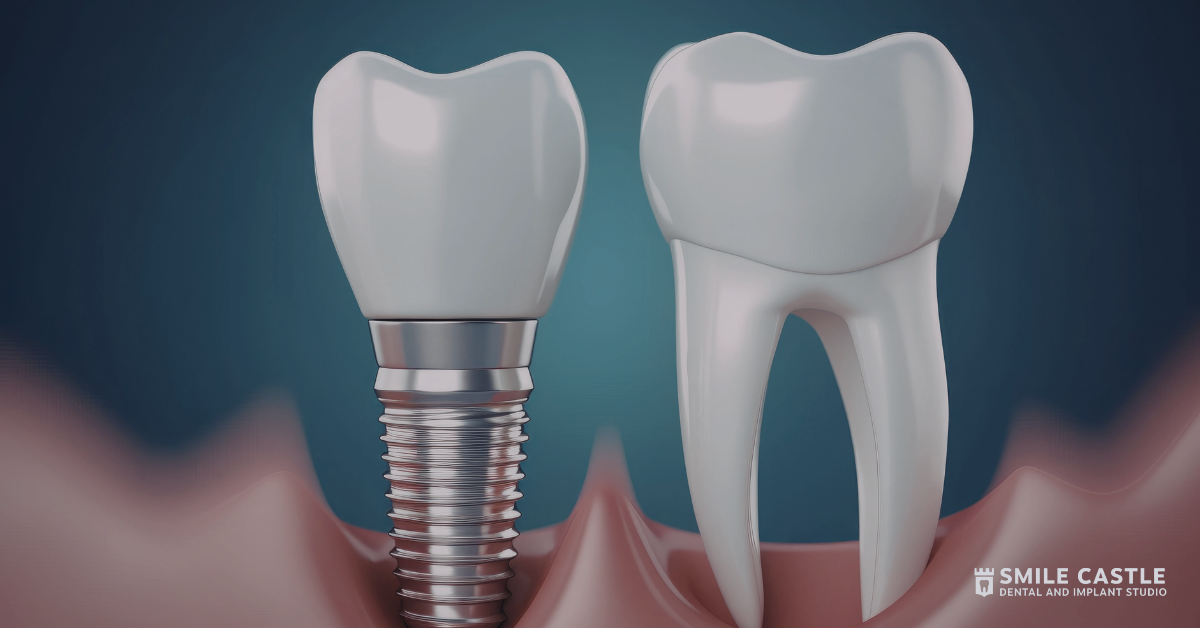
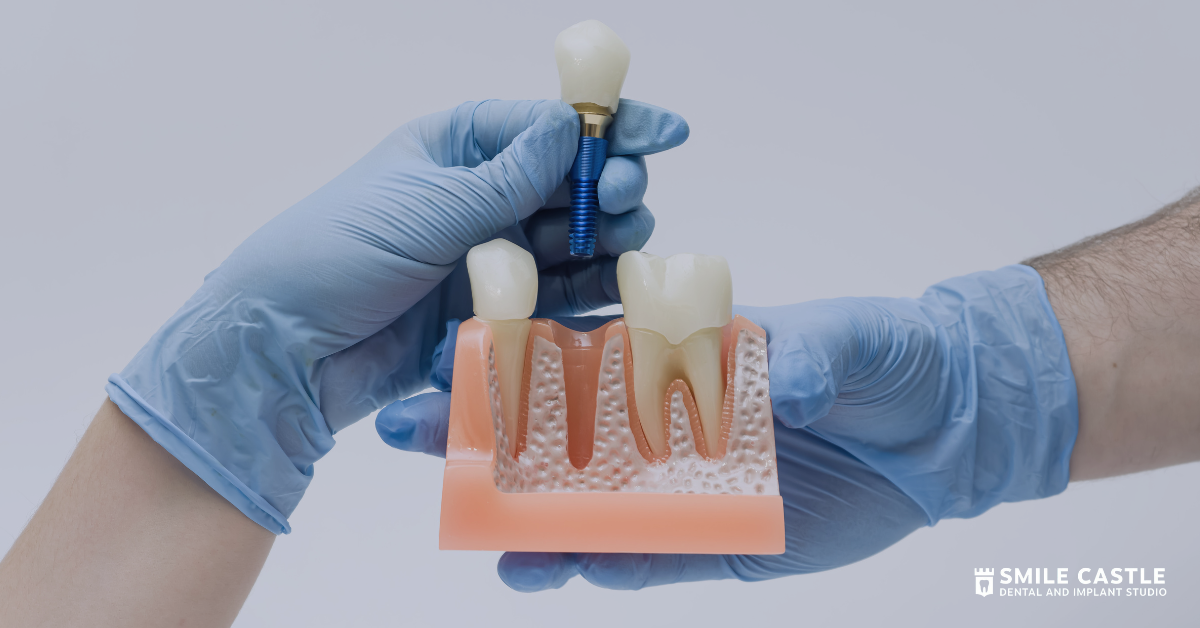
A dental implant is a tooth root replacement made from biocompatible titanium. The implant is surgically placed into the jawbone, where it gradually bonds with the surrounding bone during healing. Once the implant has fully integrated with the bone, a custom crown is attached to complete the restoration.


Every dental implant consists of three main components:

[Insert table]

Component Purpose
Titanium Implant Post Replaces the natural tooth root
Abutment Connects the implant to the restoration
Crown Replaces the visible portion of the tooth

The result is a new dental implant that looks and functions like natural teeth.

How a Single Implant Can Replace One Tooth


When only one tooth is missing, a single implant can often fill the gap without affecting adjacent teeth. Unlike a traditional bridge, which may require modification of adjacent teeth, a single implant stands alone. This helps preserve healthy teeth while restoring the missing area.


For patients who have lost one tooth due to injury or decay, a single implant is often one of the most conservative and predictable treatment options available.

Why Patients Choose Dental Implants in Chilliwack


Many patients choose dental implants in Chilliwack because they offer advantages that other tooth replacement solutions may not.

  • Natural Appearance and Function: Dental implants are designed to mimic natural teeth. Most patients find their new dental implant blends in with the rest of their smile.
  • Improved Comfort: Because implants are anchored in the jawbone, they do not move or shift while speaking or chewing.
  • Long-Term Stability: With proper care and regular dental visits, dental implant treatment can provide many years of reliable function.
  • Better Oral Health: Dental implants help maintain bone levels and support surrounding structures. This contributes to better oral health compared to options that only replace the visible portion of the tooth.
  • No Impact on Adjacent Teeth: Traditional bridges often require neighbouring teeth to be altered. Dental implants leave those teeth untouched.

Are You a Candidate for Dental Implant Treatment?


Many adults with missing teeth may qualify for dental implant treatment. During your first consultation, a Chilliwack dentist will assess several factors, including:

  • Overall oral health
  • Condition of the gums
  • Amount of available bone
  • Medical history

How Digital X-Rays Help Determine Eligibility

Digital X-rays play an important role during the consultation process. These detailed images allow your dentist to evaluate bone levels, identify hidden concerns, and determine if dental implant surgery is appropriate. In some cases, additional X-rays or diagnostic imaging may be required to aid in treatment planning.

What New Patients Should Know

New patients often worry they may not be a candidate for implants because they have been missing teeth for years. Fortunately, many patients are still candidates even after many years. If bone loss has occurred, additional procedures may sometimes be needed to prepare the area for implant placement. The best way to determine your options is through a comprehensive consultation with an experienced dental team.

Understanding the Dental Implant Process


Many new patients are curious about what happens during the dental implant process. While every case is unique, most dental implant treatment follows a similar sequence.

Step 1: Your First Consultation and Treatment Planning

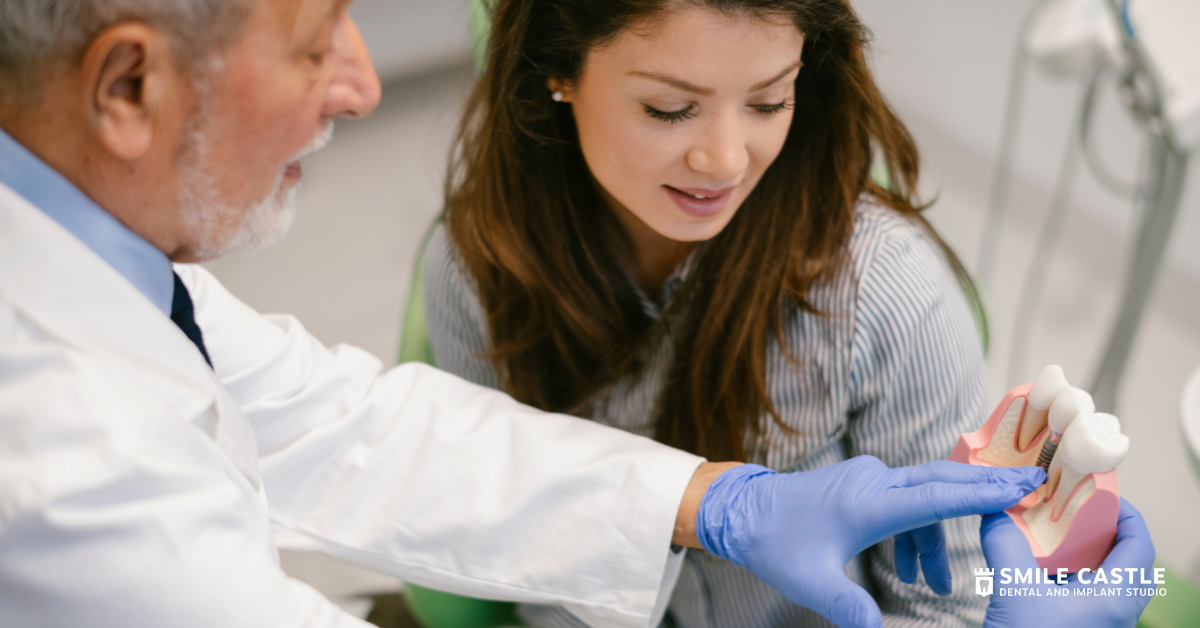
The process begins with a consultation. During your first consultation, your dentist will review your oral health, discuss your goals, and determine if implants are the right solution for you. Digital X-rays and other diagnostic images may be taken to evaluate the condition of your jawbone, gums, and surrounding teeth. These images help the dental team determine the best placement for the implant and identify any issues that need to be addressed before treatment begins.

Step 2: Dental Implant Surgery and Implant Placement

Once planning is complete, the dental implant surgery can be scheduled. During the procedure, the titanium implant post is surgically placed into the jawbone. Local anesthesia is used to ensure patient comfort during the surgery. Many patients are surprised by how comfortable the procedure is. In most cases, any discomfort after surgery can be managed with instructions provided by the dental team.

Step 3: Healing Time and Bone Integration

After placement, the implant needs time to heal and integrate with the surrounding bone. This process, known as osseointegration, allows the implant to become securely anchored in the jawbone. Healing time varies from patient to patient. Some patients may heal faster, while others may require several months before the implant is ready for the final restoration.

Step 4: Completing Your New Dental Implant With a Crown

Once healing is complete, an abutment and custom crown are attached to the implant. The crown is designed to match the colour, shape, and appearance of your natural teeth. The goal is to create a restoration that blends in with your smile and restores proper function.


For many patients, this is the final step of their dental implant treatment and the start of renewed confidence.

How Long Does the Dental Implant Procedure Take?


One of the most common questions patients ask is, "How long will the dental implant process take from start to finish?" The answer depends on the individual’s oral health and treatment needs. While the surgery itself is often done in one visit, the entire dental implant process can take several months because adequate healing time is needed before the final crown can be placed.


Here is a typical timeline:

Stage Approximate Timeline
First Consultation 1 Appointment
Implant Placement 1 Appointment
Healing Period Several Weeks to Several Months
Crown Placement 1 Appointment

Although it takes time, the long-term benefits are often worth it.

Dental Implants vs. Dentures and Bridges


Patients considering tooth replacement options often compare dental implants with dentures and dental bridges. Each has its advantages, but there are important differences to consider.

Feature Dental Implants Dental Bridge Dentures
Replaces Tooth Root Yes No No
Supports Jawbone Health Yes No No
Fixed in Place Yes Yes No
Helps Maintain Bone Yes No No
Natural Feel Excellent Good Moderate
Long-Term Stability Excellent Good Moderate

When Dental Implants May Be the Better Option

Dental implants are recommended when patients want a long-term solution that mimics natural teeth. Because implants replace the tooth root as well as the visible tooth, they help preserve bone and provide excellent stability.

When Dentures or Bridges May Be Considered

Dentures and bridges may still be an option in certain situations, depending on the patient’s oral health, budget, and treatment goals. A consultation with a Chilliwack dentist can help determine which is best.

How to Maintain Your Dental Implant for Long-Term Oral Health


A dental implant requires many of the same daily habits that help natural teeth. The good news is that taking care of implants is relatively easy.

Tips for Proper Care

  • Brush twice daily
  • Floss regularly
  • Maintain good oral hygiene
  • Attend regular dental visits
  • Follow your dentist’s recommendations
  • Avoid tobacco products when possible

Why Regular Dental Visits Matter

Regular visits allow your dentist to check the implant, crown, gums, and surrounding teeth. Regular check-ups can help identify issues early and maintain long-term implant health. Many patients enjoy their dental implants for decades.

Why Choose Smile Castle Dental and Implant Studio in Downtown Chilliwack?


Choosing the right dentist is part of your dental implant journey. At Smile Castle Dental and Implant Studio, our team is committed to helping patients restore their smiles with personalized care and modern technology.

Personalized Treatment Planning

Every patient is unique. We take the time to understand your needs and develop a treatment plan tailored to you.

Advanced Technology

We use digital X-rays and modern diagnostic tools to assess oral health and support precise treatment planning.

Convenient Location

Located in downtown Chilliwack, our office is easily accessible for local patients seeking implant and general dental care.

Comprehensive Dental Services

Whether you need one implant, multiple implants, restorative work, or emergency care, we are here to help you every step of the way.

Frequently Asked Questions About Dental Implants in Chilliwack

  • How much does a dental implant cost?

    The cost depends on the number of implants needed, bone condition, and whether additional procedures are required. A consultation will provide a personalized quote.

  • Is dental implant surgery painful?

    Most patients experience less discomfort than expected. Local anesthesia is used during surgery, and post-operative discomfort is manageable.

  • Can a single implant replace one tooth?

    Yes. A single implant is often an excellent solution for replacing one tooth without affecting adjacent teeth.

  • How long do dental implants last?

    With good oral hygiene and proper care, dental implants can provide many years of reliable function.

  • What happens if I do not replace a missing tooth?

    Not replacing a missing tooth can lead to shifting teeth, bone loss, changes in your bite, and more oral health issues over time.

  • Can dental implants replace several missing teeth?

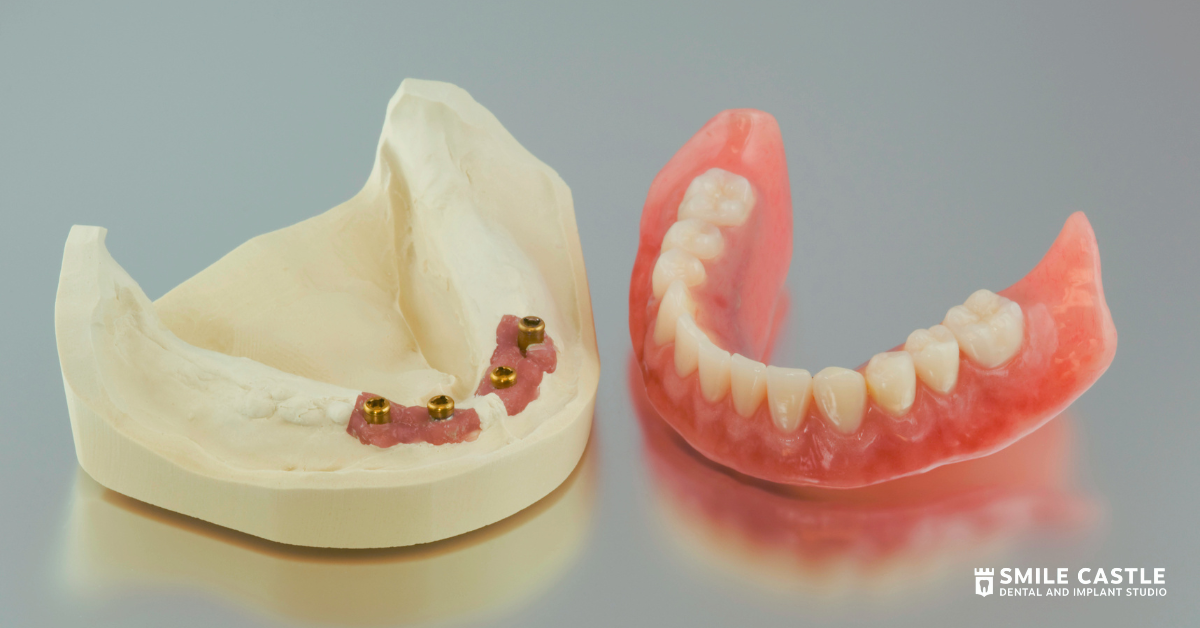
    Yes. Dental implants can be used to replace one tooth, several missing teeth, or even support a full-arch restoration, depending on your needs.

Ready to Restore Your Smile With Dental Implants in Chilliwack?

Missing teeth can affect more than just your appearance. They can impact oral health, chewing function, confidence, and overall quality of life. Dental implants are a reliable way to replace missing teeth while maintaining bone, protecting surrounding teeth, and restoring a natural-looking smile.


Interested in learning more about dental implants in Chilliwack? Contact Smile Castle Dental and Implant Studio today. Our experienced team can assess your needs, answer your questions, and determine if implant treatment is right for you. Book your consultation today and take the first step toward a healthier, complete smile.

Ready to schedule your appointment?

Reach out to your trusted dentist in Chilliwack today. Now accepting new patients!


SHARE THIS

Latest Posts