

Am I a Candidate for Dental Implants in Chilliwack? What Patients Should Know
By Bhavesh Gabani • July 10, 2026
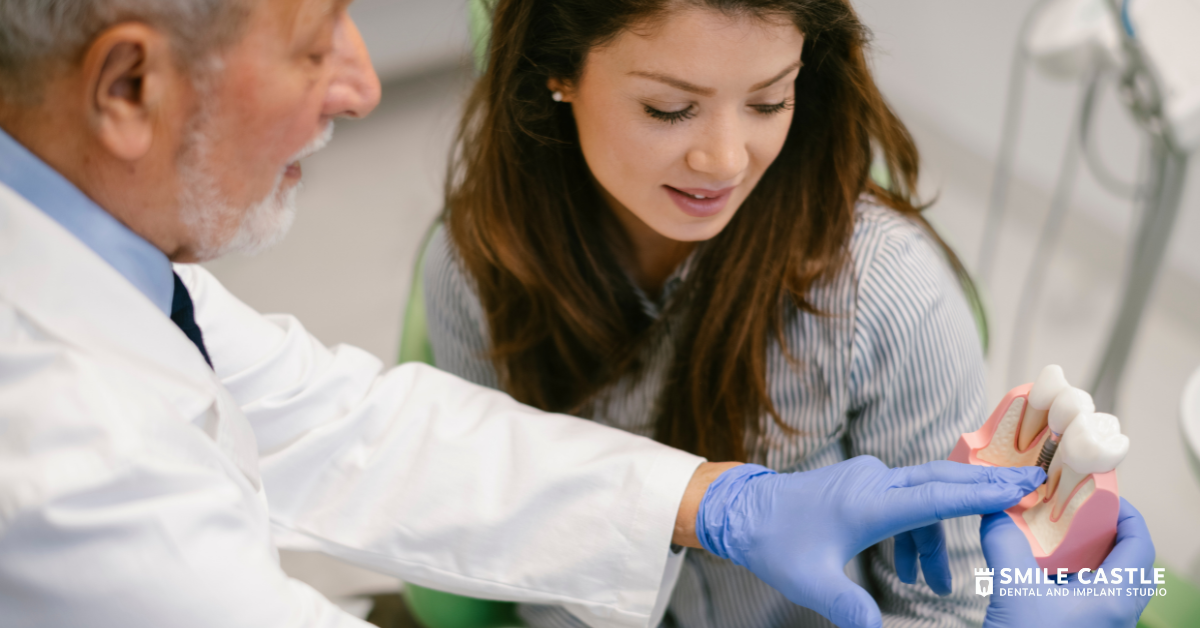
Living with missing teeth can affect more than your smile. It can make eating difficult, change the way you speak, impact your confidence, and even contribute to changes in your oral health over time. Fortunately, dental implants are widely recognized as a durable, evidence-based option for replacing missing teeth and have high long-term success rates in properly selected patients.
Many people wonder if they’re a candidate for dental implants in Chilliwack. Some think they’re too old, have too much bone loss, or have been missing teeth for too long. In reality, candidacy depends on several factors—your oral health, overall health, the condition of your jawbone, and your ability to heal—not just your age.
At Smile Castle Dental and Implant Studio, your dentist will perform a comprehensive consultation, review your medical and dental history, and use modern diagnostic imaging to determine if dental implants in Chilliwack are the right solution for your smile. Here’s what you should know before booking an appointment.
Quick Answer: Which Is Better: Dental Implants or Dentures in Chilliwack?
For many patients, dental implants may be the more durable long-term solution, as they can mimic natural tooth function and help preserve the jawbone. However, dentures are an excellent option for many patients, depending on their clinical needs, health, and personal preferences.
The right treatment depends on:
- Your oral health and overall health
- Bone volume and sufficient jawbone density
- Number of missing teeth
- Your budget and treatment goals
- Your dentist’s recommendation after a consultation
At Smile Castle Dental and Implant Studio, our team will evaluate your smile and recommend the treatment that’s best for you.
Quick Answer: Am I a Candidate for Dental Implants in Chilliwack?
Many adults with one or more missing teeth may be candidates for dental implants in Chilliwack. The best candidates generally have healthy gums, enough jawbone to support an implant (or are eligible for bone grafting), good overall health, and a commitment to maintaining good oral hygiene. Age alone does not disqualify you, and even patients with bone loss, dentures, or long-term missing teeth may still qualify after a comprehensive dental evaluation. The only way to know for sure is to have your dentist assess your oral health, medical history, and jawbone using digital imaging.
In this article:
- What Makes Someone a Good Candidate for Dental Implants?
- Can You Still Get Dental Implants If You Have Bone Loss?
- Are Dental Implants Suitable at Any Age?
- Who May Need Additional Treatment Before Getting Implants?
- How a Dentist Determines If You're a Candidate
- What Happens If You're Approved for Dental Implants?
- Frequently Asked Questions
- Find Out If You're a Candidate for Dental Implants in Chilliwack
- Preserve Bone: Unlike removable dentures, implants stimulate the jawbone during chewing. This helps reduce bone loss, maintain bone volume, and preserve your facial structure over time.
- Restore Natural Function: Dental implants allow patients to chew, bite, and speak with confidence. Because they are securely fixed into the bone, they function like natural teeth.
- Protect Adjacent Teeth: Unlike some dental bridges, implants do not require reshaping adjacent teeth, helping preserve healthy tooth structure.
- Long-Term Solution: With proper home care and regular professional maintenance, dental implants may function for decades. Longevity varies based on individual health, oral hygiene, and other factors.
- Natural Appearance: Each implant restoration is custom-designed to match the colour, size, and shape of your existing teeth, creating a seamless and natural look.
What Makes Someone a Good Candidate for Dental Implants?
You Have One or More Missing Teeth
The most common reason people get dental implants is to replace missing teeth. Whether you have one tooth, several teeth, or all of your teeth, implants can often provide a stable, natural-looking solution.
Single Tooth
If you have a single missing tooth, a new dental implant can support an individual crown without affecting your adjacent teeth. Unlike traditional dental bridges, which require neighbouring healthy teeth to be reshaped, an implant replaces the missing tooth independently while preserving your surrounding natural teeth.
Multiple Teeth
If multiple teeth are missing, several implants may be used to support implant-supported bridges or other restorations. This allows your dentist to restore function while maintaining your bite, facial appearance, and oral health.
Full-Arch Tooth Replacement
Patients who have lost most or all of their teeth may be candidates for implant-supported dentures. Compared to conventional dentures, many patients report greater stability and improved comfort while eating and speaking. Individual results may vary.
You Have Healthy Gums
Healthy gums are part of successful implant treatment.
Before starting the dental implant process, your dentist will examine your gums for signs of periodontal disease or infection. Active periodontal (gum) disease increases the risk of implant complications and should be treated first. Good oral hygiene before and after treatment also plays a big role in the long-term success of your implants.
You Have Enough Jawbone
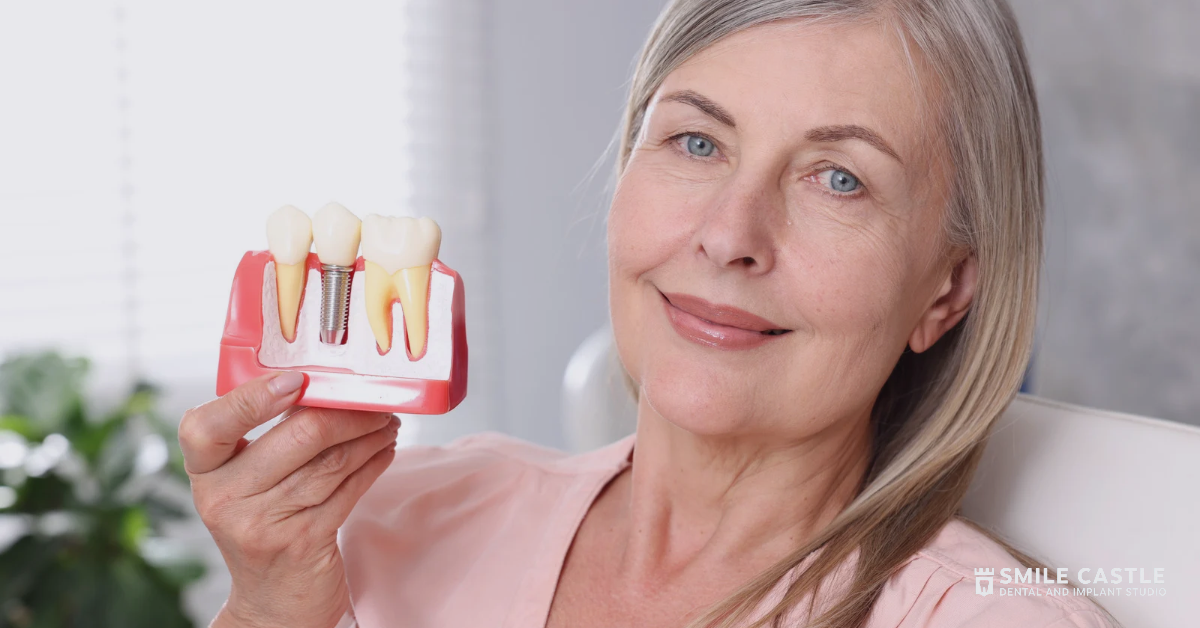
Dental implants act as artificial tooth roots, so they need bone for support. After tooth loss, the jawbone naturally shrinks because it no longer receives stimulation from natural tooth roots. The longer a tooth has been missing, the more bone loss occurs.
But insufficient bone doesn’t mean you can’t get implants. Depending on your situation, your dentist may recommend
bone grafting before implant placement to strengthen the area. Many patients who initially think they’re not a candidate are able to get implants after this additional treatment.
You're in Good Overall Health
Many healthy adults can be candidates for dental implants after a comprehensive evaluation, provided any existing medical conditions are well managed. During your consultation, your dentist will review your medical history, including:
- Controlled diabetes
- Autoimmune disorders
- Medications that affect bone healing, including some osteoporosis medications
- Other health conditions that may impact healing
These factors help your dentist determine the safest and most appropriate treatment plan.
You Don't Smoke—or You're Willing to Quit
Smoking has been linked to a higher risk of implant complications because it can slow healing and affect the body’s ability to recover after surgery.
This doesn’t mean smokers can’t get implants in Chilliwack. However, your dentist may recommend reducing or quitting smoking before surgery and during the healing period to improve the chances of long-term success.
Benefits of Dentures
| Feature | Dental Implants | Dentures |
|---|---|---|
| Stability | Excellent | Moderate |
| Appearance | Closely resembles natural teeth | Natural-looking but removable |
| Bone Preservation | Helps prevent bone loss | Does not prevent bone loss |
| Removable | No | Yes |
| Comfort | Feels like natural teeth | May shift during eating |
| Cleaning | Brush and floss normally | Remove for cleaning |
| Treatment Timeline | Approximately 3–6 months | Usually 4–8 weeks |
| Expected Lifespan | Often decades or longer with proper care | Typically 5–10 years before replacement |
Can You Still Get Dental Implants If You Have Bone Loss?
Many people think they’re no longer candidates for dental implants in Chilliwack because they’ve been missing teeth for years.
While bone loss after tooth loss is common, it doesn’t always prevent implant treatment.
Your dentist may recommend:
- Bone grafting to rebuild lost bone
- A sinus lift if additional bone height is needed in the upper back jaw
- A period of healing before implant placement
Modern digital imaging helps dentists evaluate bone volume, density, and surrounding anatomy to support treatment planning.
Many patients who initially think they’re not a candidate find out they still have options after a comprehensive evaluation.
- Have one or more missing teeth
- Have healthy gums
- Practise good oral hygiene
- Have sufficient jawbone density to support an implant
- Are in good overall health
- Do not have uncontrolled gum disease
- Want a fixed, long-term tooth replacement solution
- Are committed to maintaining their implants through proper care and regular dental visits
Because implants are surgically placed into the jawbone, adequate bone support is essential for long-term stability.
Are Dental Implants Suitable at Any Age?
There’s no maximum age for dental implants. In fact, many seniors are excellent candidates because they want to be able to eat comfortably and maintain their quality of life.
Rather than focusing on age, your dentist will evaluate:
- Bone quality
- Gum health
- Medical history
- Healing ability
These are more important than age.
Dental Implant Timeline
- Initial Consultation: Your dentist examines your oral health, jawbone, bite, and digital X-rays to determine if dental implants are the right treatment.
- Surgical Implant Placement: The titanium implant is surgically placed into the jawbone to replace the missing tooth root.
- Healing: Over the next three to six months, the implant naturally fuses with the jawbone through osseointegration.
- Final Restoration: A custom-made crown, bridge, or implant-supported denture is attached to complete your smile.
Who May Need Additional Treatment Before Getting Implants?
Some patients need treatment before implant surgery. This may include:
- Active gum disease
- Untreated tooth infections
- Significant bone loss
- Heavy smoking
- Uncontrolled diabetes
- Teeth that need to be extracted before implant placement
These don’t mean you can’t get implants. They often mean your dentist will recommend other treatment first to create the healthiest possible foundation for your new implant.
With proper care, implants often last decades, while the attached crown may need to be replaced due to normal wear.
How a Dentist Determines If You're a Candidate
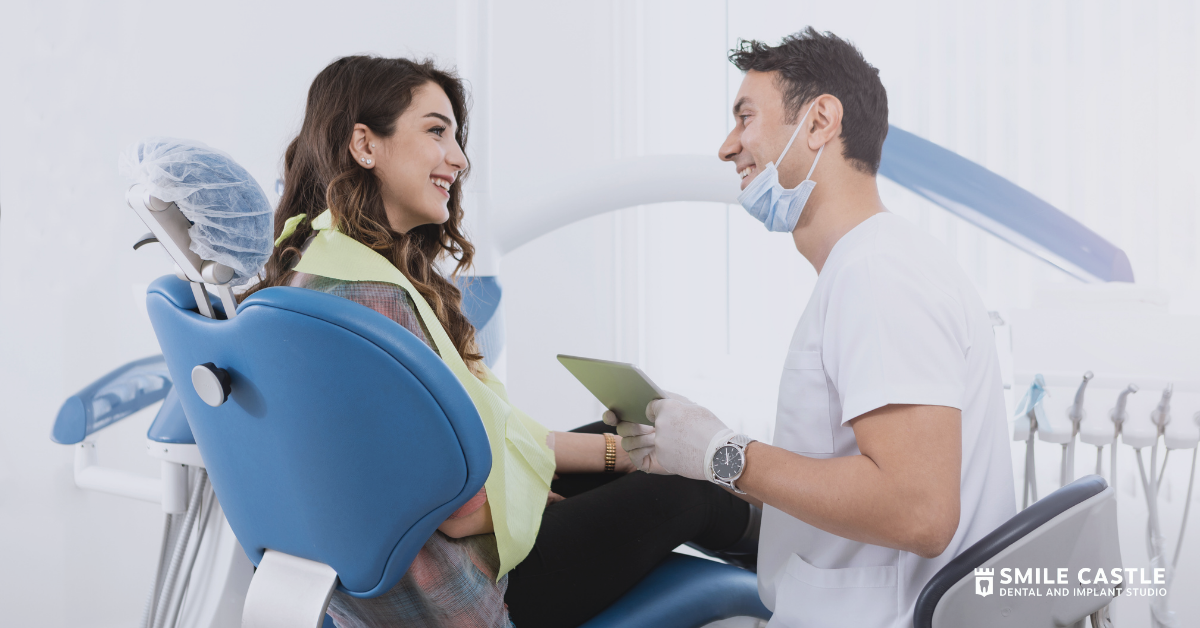
Comprehensive Examination
Your appointment starts with a consultation. Your dentist will evaluate:
- Your oral health
- Medical history
- Existing dental restorations
- Areas of missing teeth
- Bite and overall function
Knowing your full dental history helps determine if implants are the best treatment.
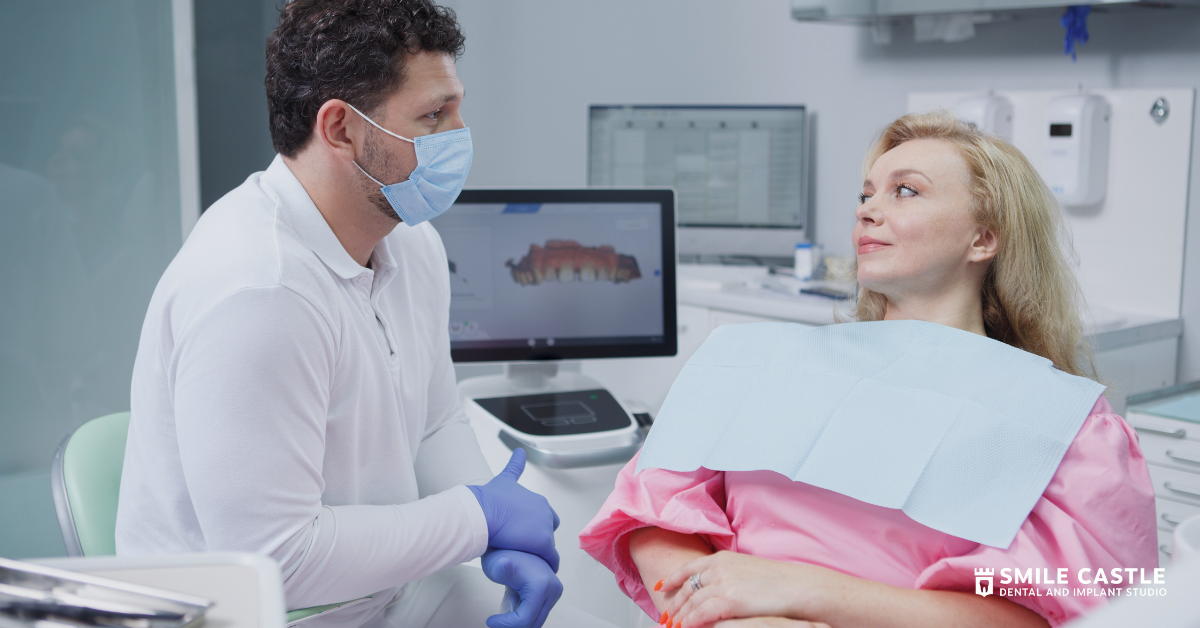
Digital X-Rays and 3D Imaging
Imaging plays a big role in implant planning. Digital X-rays and 3D scans allow your dentist to see:
- Bone volume
- Bone density
- Nerve locations
- Sinus anatomy
- Overall jawbone condition
This helps your dentist plan implant placement with more precision and individualized treatment.
Personalized Treatment Plan
Every patient gets a customized treatment plan. Your dentist will discuss:
- If dental implants are right for you
- If bone grafting or other treatment is needed
- Treatment timeline
- Healing time
- Cost
You’ll have time to ask questions and understand every step of treatment before moving forward.
Dentures require a different routine. Patients should:
Over time, dentures may need to be relined, adjusted, or replaced as the jaw changes shape.
What Happens If You're Approved for Dental Implants?
If you’re a candidate for dental implants in Chilliwack, treatment typically follows four stages.
- First, you’ll attend a consultation and complete your exam and imaging.
- Next comes implant placement, where the implant is surgically placed in the jawbone.
- Over the next few months, the implant goes through a natural healing process called osseointegration, where the surrounding bone bonds with the implant to create a stable base.
- Once healing is complete, your final restoration—whether a crown, bridge, or implant-supported denture—is attached to restore your smile.
Frequently Asked Questions
Can I get dental implants if I've been missing teeth for years?
Yes. Even if you’ve been missing teeth for many years, you may still qualify. If bone loss has occurred, your dentist will determine if bone grafting is recommended before implant placement.
Am I too old for dental implants?
No. There is no upper age limit for dental implants. Overall health, healthy gums, and adequate bone support are more important than age alone.
Can smokers still get dental implants?
Many smokers are still candidates for dental implants. However, smoking may increase the risk of complications, so your dentist may recommend quitting or reducing smoking during healing.
Will I need a bone graft?
Not everyone does. Your dentist will use digital imaging to evaluate your jawbone and determine if additional bone support is needed before implant treatment.
Does getting dental implants hurt?
Implant placement is done under local anesthesia. While every patient’s experience is different, many people report it’s more comfortable than they anticipated.
How long does implant treatment take?
Treatment varies depending on your individual needs. Some patients can complete treatment in a few months, while others who need bone grafting or other procedures may have a longer treatment timeline.
Find Out If You're a Candidate for Dental Implants in Chilliwack
Every patient’s clinical situation is unique. Treatment recommendations and outcomes vary based on individual oral health, anatomy, and overall health. The only way to know if you’re a candidate for dental implants in Chilliwack is through a professional evaluation.
At Smile Castle Dental and Implant Studio, we welcome new patients seeking long-term solutions for missing teeth. During your consultation, our team will examine your oral health, review your medical history, and use advanced diagnostic imaging to assess your jawbone and determine if dental implants are right for you.
Even if you’ve experienced bone loss, worn dentures for years, or been told implants may not be possible, you may still have options. Every smile is unique, and a personalized assessment is the best way to determine the best approach.
Ready to restore your smile with a durable, natural-looking tooth replacement solution? Contact Smile Castle Dental and Implant Studio to
schedule your consultation and find out if dental implants are for you.
Please Note: Every patient is unique. Treatment recommendations, timelines, and costs are determined after a full examination and may vary based on your individual clinical condition.
Ready to schedule your appointment?
Reach out to your trusted dentist in Chilliwack today. Now accepting new patients!
SHARE THIS
Latest Posts